
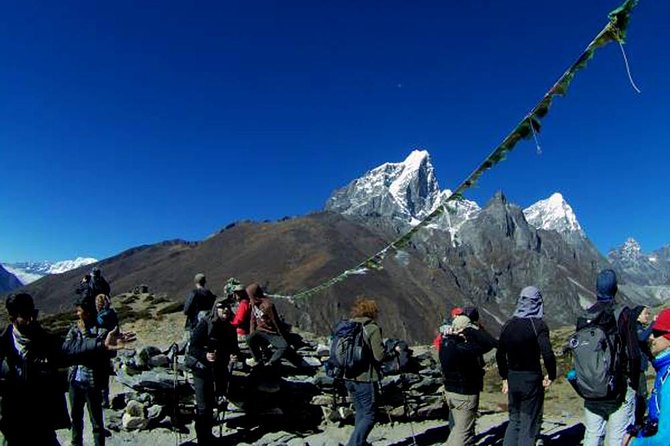
Reviewed · EVEREST BASE CAMP TREKS
Everest Base Camp Trek
Getting to Everest Base Camp is less about technical climbing than steady walking, high altitude, and accepting a few hard days. This 12-day guided trek takes you from Kathmandu to Lukla, up through Namche Bazaar and Dingboche, then to Base Camp and Kala Patthar before returning by foot and plane.
I like two things right away: the logistics are bundled, including domestic flights, permits, meals, tea-house lodging, and a guide; and the schedule includes acclimatization days at Namche Bazaar and Dingboche. Guides named Kiran, Dinish, and Arjun have led past departures, with practical care ranging from patient pacing to fresh fruit after dinner.
The main drawback is that this is still a serious high-altitude trek, not a sightseeing stroll. The price also leaves some costs outside the package, including Kathmandu meals, travel insurance, drinks, hot showers, battery charging, tips, and a porter if you need one.
Key points to know before booking
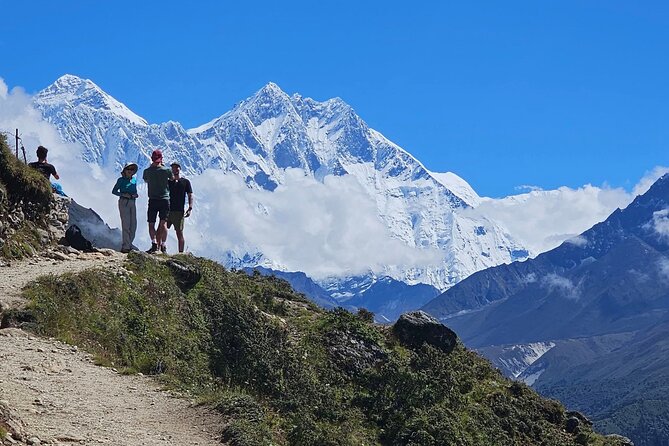
- Lukla flights save days: The Kathmandu to Lukla flight puts you close to the trail, but your schedule depends on mountain weather.
- Two acclimatization days matter: You spend a rest day at Namche Bazaar and another at Dingboche before going higher.
- Base Camp is only part of the payoff: The next morning includes Kala Patthar at 5,545 meters, the highest point on the route.
- The guide is included, the porter may not be: Guide costs are covered, while porter service is listed separately at $20 per day, or $220 per person.
- Meals and tea houses are covered on trek: Breakfast, lunch, and dinner are included from the first trekking day through the return to Lukla.
- The group stays small: Departures allow a maximum of 14 people, which should make walking and group decisions easier than on a large expedition.
Why this route works for first-time Himalayan trekkers
The Everest Base Camp route is famous, but fame does not make it easy. You spend nearly two weeks walking uphill and downhill at altitude, often on rough trails, with cold nights and simple lodging. A guided plan helps because you do not have to arrange each permit, flight, meal, room, and transfer on your own.
This trip begins in Kathmandu and uses a domestic flight to Lukla. From there, the route follows the classic approach to Everest Base Camp. You pass through Phakding, Namche Bazaar, Tyangboche, Dingboche, Lobuche, and Gorakshep, then return by a different rhythm, with long downhill sections and a final walk back to Lukla.
The maximum group size of 14 is a useful middle ground. You are not alone with a guide, but you are also less likely to feel lost in a large crowd. If your group includes people with different walking speeds, the guide’s role becomes important. Ask before booking how the group handles pace and whether you will be matched with a porter.
Other treks that start from Kathmandu:
- Everest Base Camp Trek – 14 Days
★ 5.0 · 1,499 reviews - Everest Base Camp Helicopter Tour landing at Everest View Hotel
★ 5.0 · 668 reviews - Everest Base Camp Trekking
★ 5.0 · 485 reviews
Day 1: Kathmandu to Lukla and Phakding
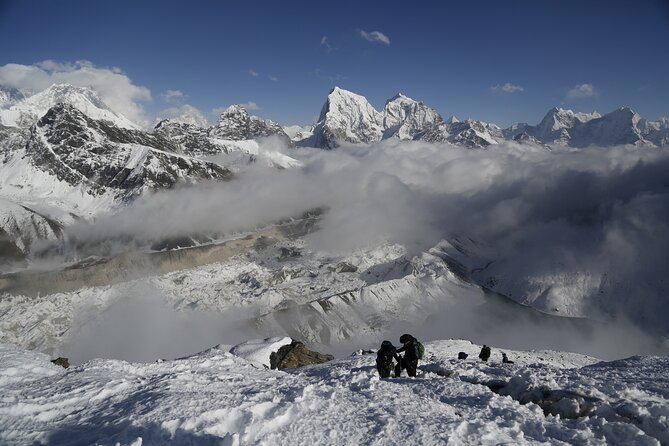
Your morning begins early, with a stated meeting time of 6:15 am at Tribhuvan Airport in Kathmandu. The flight to Lukla reaches 2,886 meters, then you walk downhill and onward to Phakding at 2,610 meters.
The walking time is about four hours. This first day gives you a gentle introduction to the trail, but do not mistake a shorter distance for an easy day. You are adjusting to altitude, carrying personal gear, and getting used to the rhythm of walking several days in a row.
Lunch and dinner are included. Tea-house accommodation is also covered during the trek, so you do not need to arrange a room in Phakding yourself. The package includes a sleeping bag, down jacket, duffle bag, and trekking map, all returned after the trek.
Day 2: The long climb to Namche Bazaar
The walk from Phakding to Namche Bazaar takes about six hours and reaches 3,440 meters. This is one of the first days when the altitude becomes a real factor.
Namche Bazaar is the main settlement in the Khumbu region and an important stopping point on the route. The walk is not just a march toward the next bed. It is your first substantial gain in elevation, and the change in scenery makes the effort worthwhile.
The trip includes all three meals on trekking days. Drinks are not included, so budget for tea, bottled water, or other beverages. Drinking water is specifically excluded from the package, as are snacks such as chocolate bars. Those small purchases can add up over nearly two weeks, especially when you want extra calories at high altitude.
Day 3: Acclimatization at 3,440 meters
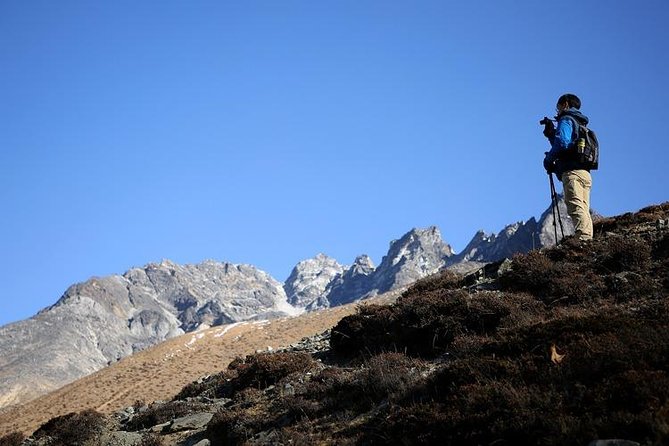
The rest day at Namche Bazaar is one of the most important parts of the schedule. You are not simply losing a day of sightseeing. Your body needs time to adjust before you continue above 4,000 meters.
The itinerary labels this day for acclimatization, but it does not specify a separate excursion or exact walking plan. Ask your guide what the day will include. You might spend part of it walking locally, resting, or both.
I like seeing this pause built into the program. A rushed itinerary can look attractive on paper, but it gives you less room to respond to altitude. You should still take symptoms seriously and tell your guide if you feel unwell. The company also says it can arrange emergency helicopter service, though the cost is to be paid by your travel insurance company.
A few more things to do in Kathmandu worth a look
- Nagarkot Sunrise View and Day Hiking from Kathmandu
★ 5.0 · 471 reviews - Annapurna Circuit Trek with Tilicho Lake
★ 5.0 · 368 reviews - Everest Base Camp Trekking – 13 Day
★ 5.0 · 365 reviews - Everest Base Camp Trek -14 Days
★ 5.0 · 321 reviews
Day 4: Namche Bazaar to Tyangboche
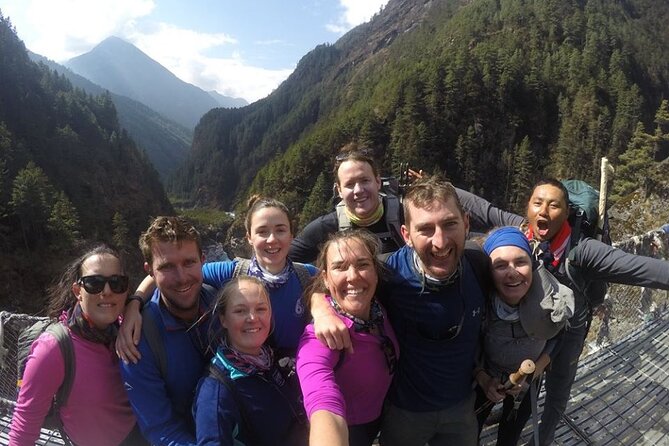
The trail continues to Tyangboche, also spelled Tengboche in many route descriptions, at 3,867 meters. The walk takes about five hours.
This section brings you higher into the Khumbu and changes the feel of the trek. Tyangboche is known for its important monastery setting, and the stop gives you a strong cultural point along a route otherwise measured by altitude and walking time.
You will want warm layers here. The supplied down jacket and sleeping bag can be useful, but you should confirm their condition and fit before leaving Kathmandu. Tea-house rooms are basic, and hot showers are not included. A shower may be available for an extra charge, but the package specifically excludes hot showers.
Day 5: Tyangboche to Dingboche
The five-hour walk to Dingboche reaches 4,260 meters. This is a major change from the first few days. You are now high enough that a normal walking pace can feel slow, and short climbs may require frequent pauses.
Dingboche is another key base for adjusting to altitude. The schedule wisely keeps the following day free. You should use this time for rest rather than trying to prove how fit you are.
At this point, your guide’s attitude matters. Past guides named Kiran, Dinish, and Arjun have been praised for patience, practical help, and setting clear expectations. One guide, Arjun, was described as bringing fresh fruit for dessert. That small detail says a lot about what you should look for: not luxury, but attentive care when food choices become repetitive.
Day 6: A second acclimatization day
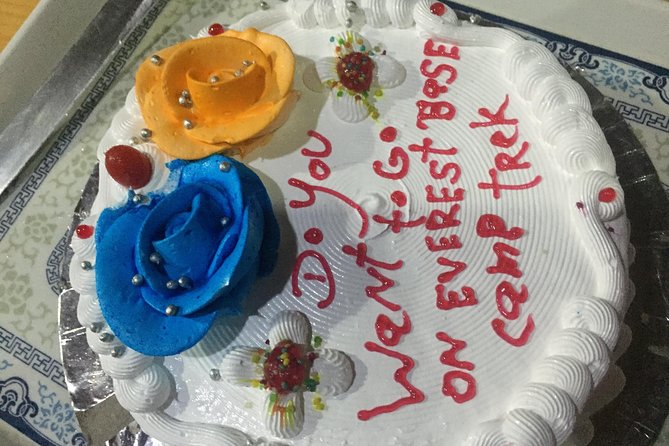
The rest day at Dingboche, at 4,260 meters, prepares you for the hardest part of the route. You have several high-altitude days ahead, so this pause helps break up the climb.
The exact activities are not listed, which gives the guide room to adjust the day. You might take a short walk, rest at the lodge, or spend time getting ready for the higher camps. Your guide should explain the plan and watch for signs that someone needs more time.
This is also a good day to check your equipment. Charge batteries if you can, organize layers, and keep essential items accessible. Battery charging is not included, so bring extra power capacity if you rely on a phone or camera.
Day 7: Dingboche to Lobuche
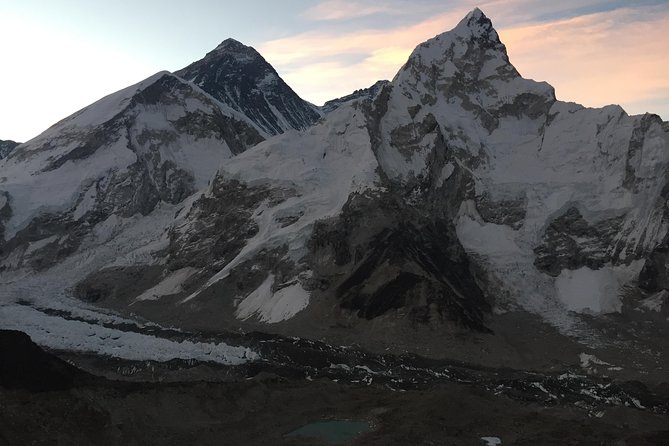
The trail to Lobuche takes about five hours and reaches 4,930 meters. You are now well above the altitude where many people begin to feel the effects of thin air.
This is a day for patience. You may cover fewer kilometers than you expect, but the altitude makes every uphill stretch more demanding. Keep your pace comfortable and do not burn energy early in the morning.
Lobuche is a practical overnight stop before the push to Gorakshep and Base Camp. Tea-house lodging is included, but conditions remain simple. Your sleeping bag is part of the equipment package, and that matters because nights at this height can be cold.
Day 8: Lobuche to Everest Base Camp via Gorakshep
The eighth day is one of the main goals of the trek. You walk from Lobuche to Gorakshep, then continue to Everest Base Camp. The total walking time is about six to seven hours.
Gorakshep is at high altitude, and the route may feel slow even if the distance does not look extreme. You should keep water and warm layers close, rather than buried in your duffle bag.
Everest Base Camp itself is a powerful destination, but the scenery and sense of reaching the route’s endpoint are only part of the experience. You also learn what high-altitude trekking really demands: short steps, long pauses, basic rooms, and a willingness to accept changing conditions.
The itinerary lists Base Camp at no stated elevation, so I would not use that missing figure to judge the day. The important point is that you reach Base Camp and return to Gorakshep for the night before the next morning’s early climb.
Day 9: Kala Patthar, then down to Pheriche
The trip’s highest point comes on the walk from Gorakshep to Kala Patthar at 5,545 meters. After that, you descend to Pheriche at 4,243 meters. The full day takes about seven hours.
For many people, Kala Patthar provides the most rewarding mountain view of the trek. It is also physically demanding because you climb higher soon after sleeping at Gorakshep. The early start is not stated, so confirm the timing with your guide, especially if you want the best light or need a slower pace.
The descent to Pheriche is welcome, but downhill walking can be hard on knees and ankles. Trekking poles are worth considering, though they are not listed among the included equipment. Since the guide and meals are included, you can focus on steady movement rather than navigation and food planning.
Day 10: Pheriche to Namche Bazaar
The route returns to Namche Bazaar in about six hours. You lose a great deal of elevation, which generally feels easier on breathing, but it does not make the day effortless.
After several days above 4,000 meters, the lower altitude can feel like a relief. Namche also gives you a familiar stopping point before the final walk to Lukla. The return journey is not just a repeat of the ascent. Tired legs change how you experience the trail, and the long descent calls for careful footing.
This is where a private vehicle transfer is not an option. The package includes airport and hotel transfers by private vehicle, but the trail itself is on foot. Make sure your personal bag remains manageable for the full route.
Day 11: Namche Bazaar to Lukla
The final trekking day takes about six hours and returns you to Lukla at 2,886 meters. You have completed the main walking section, but you still need to allow for the flight schedule the next day.
The Lukla to Kathmandu flight is included, along with the domestic airport tax. Mountain weather can disrupt flights, so keep your plans flexible after the trek. The cancellation terms say that a weather-related cancellation of the experience can lead to another date or a full refund, but flight delays and changes are worth discussing directly before you book.
Day 12: Fly back to Kathmandu
The final day includes the flight from Lukla to Kathmandu and a transfer to your hotel. Breakfast is included.
Four nights in Kathmandu are described as included in the overall package summary, but the detailed inclusions say hotel and food in Kathmandu are not included. That is an important point to clarify before paying. The safest reading is that the package may include accommodation but not meals, yet you should ask the operator for the exact Kathmandu hotel nights and meal arrangements.
The package also does not include your international airfare, Nepal entry visa, personal spending, tips, or travel insurance. The stated visa example is $40 for one month, with the visa available on arrival at Tribhuvan International Airport and requiring two passport photos.
What the $1,300 price really covers
At $1,300 per person, the price is attractive for a guided Everest Base Camp trip because it includes the expensive moving parts: the Kathmandu to Lukla round-trip flight, domestic airport tax, trekking permits and government charges, tea-house accommodation, three meals a day on trek, guide services, and ground transfers.
The guide’s salary, food, drinks, lodging, transport, and insurance are included. That is useful because guide costs can otherwise be unclear. Emergency helicopter arrangements are also available, although your insurance company must pay the bill.
The biggest price question is porter service. The overview refers to guides and porters, but the detailed cost section lists a porter as optional at $20 per day, or $220 per person. Ask for a written answer before booking. A porter can make the trek much more comfortable, but the added fee changes the real price.
Plan extra money for:
- Nepal entry visa
- Travel insurance with high-altitude trekking and helicopter evacuation coverage
- Kathmandu meals, if not included
- Drinks and drinking water
- Snacks and chocolate
- Hot showers and battery charging
- Tips
- Porter service
- The $40 Everest Base Camp entrance fee
- International flights and departure tax
Who should book this trek
I would choose this trip if you want the classic Everest route but do not want to arrange every permit, lodge, meal, flight, and transfer yourself. It suits people with moderate physical fitness who can walk for up to seven hours and handle several days above 4,000 meters.
You should not book it simply because the price looks low. You need suitable insurance, a flexible schedule, and a realistic attitude about altitude. The trek is not designed as a luxury holiday, and the package does not remove the physical challenge.
A group of up to 14 can work well for solo bookers and pairs who want company. If you prefer total control over pacing, lodging, or rest days, a private trek may suit you better. If you want a supported route with a guide and built-in acclimatization, this one has the right basic structure.
The experience is non-refundable and cannot be amended after booking, except that a weather or minimum-group cancellation may result in another date or a full refund. That makes travel insurance and careful date planning especially important.
Should you book it?
Book this Everest Base Camp trek if you value organized logistics, included meals, and two proper acclimatization days more than comfort or flexibility. The route covers the classic highlights, reaches Base Camp, adds Kala Patthar, and includes the Lukla flights that make the schedule possible.
Before committing, confirm three details in writing: exactly how many Kathmandu hotel nights are included, whether porter service is required or optional, and what happens if a Lukla flight is delayed. If those answers work for your budget and you are ready for high-altitude walking, the $1,300 package offers a practical way to tackle a demanding Himalayan goal with experienced support.
FAQ
How long is the Everest Base Camp Trek?
The trek lasts approximately 12 days, including flights between Kathmandu and Lukla, the walk to Everest Base Camp, the return trek, and transfers to the Kathmandu hotel.
Where does the experience begin?
It begins at Tribhuvan Airport in Kathmandu, Nepal. The stated meeting time is 6:15 am.
Is the flight from Kathmandu to Lukla included?
Yes. The round-trip Kathmandu to Lukla flight fare and domestic airport tax are included.
Are trekking guides included?
Yes. An experienced guide is included, along with the guide’s salary, meals, drinks, accommodation, transportation, and insurance.
Is a porter included?
The detailed cost information lists porter service as an additional option at $20 per day, or $220 per person. Confirm this point before booking because the general description also refers to porters.
Are meals included?
Breakfast, lunch, and dinner are included during the trek. Kathmandu food is not included in the detailed exclusions, and drinks, drinking water, and snacks are also excluded.
Is accommodation included?
Tea-house or lodge accommodation during the trek is included. The overall summary says four nights in Kathmandu are included, while the detailed exclusions say Kathmandu hotel and food are not included, so you should confirm the Kathmandu hotel arrangement.
Are permits included?
Government taxes, VAT, service charges, and trip paperwork are included. An Everest Base Camp entrance fee of $40 per person is listed separately.
Do I need travel insurance?
Yes. Travel insurance is compulsory. The policy should also be able to cover emergency helicopter costs if needed.
Can I cancel the experience?
The experience is non-refundable and cannot be changed for any reason. If the operator cancels because of poor weather or because the minimum group size is not reached, you may be offered another date or experience, or a full refund.
Just added in Kathmandu
- Kathmandu to Chitwan Tour by Tourist Bus – A Convenient and Affordable Way★ 4.0 · 4 reviews
- Changunarayan Hill to Telkot Hike Near Kathmandu Day Tour★ 5.0 · 6 reviews
- Mt Everest Base CampTrek | Budget Package★ 5.0 · 4 reviews
- Chitwan Jungle Safari 3-Day Tour★ 5.0 · 9 reviews
- Chandragiri Hill Station Tour by Cable Car★ 5.0 · 4 reviews
- Chandragiri Hills cable car day trip, private car with driver from Kathmandu★ 5.0 · 8 reviews
- Chandragiri to Taudaha Nature Day Hiking from Kathmandu★ 5.0 · 13 reviews
- Chandragiri Cable Car & Monkey Temple Private Guided Day Tour★ 5.0 · 5 reviews
Everest Base Camp Treks, compared.
Everest Base Camp Helicopter Tour landing at Everest View Hotel
Read our review →
Browse the lists this tour appears in