
Reviewed · EVEREST BASE CAMP TREKS
Everest Base Camp Trek
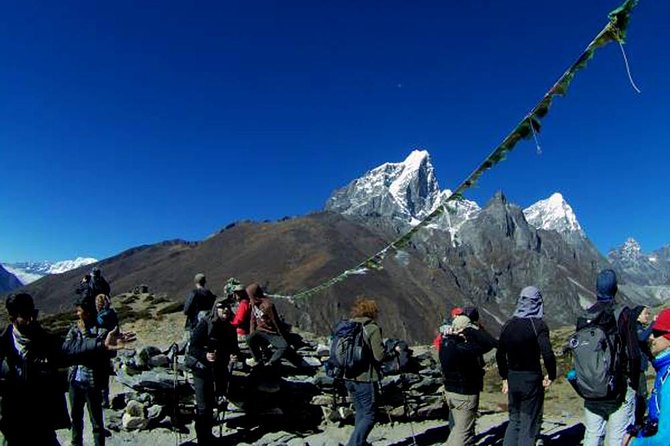
The payoff here is not just reaching Everest Base Camp. It is the slow approach through Sherpa villages, prayer flags, swinging bridges, monastery courtyards, and the high valleys around Namche Bazaar. You get a licensed guide, tea-house lodging, and the domestic flights between Kathmandu and Lukla in one package. I especially like the small private group, capped at eight people, and the planned acclimatization day in Namche.
I also like that the package includes airport pickup, Kathmandu hotel nights, a first-aid kit, and help arranging trekking gear. Those details matter on a demanding route. The main concern is altitude: Base Camp sits at about 5,364 meters, and Lukla flights can be delayed or canceled by weather. You need strong fitness, insurance with emergency repatriation, and one or two spare days.
Key points to know before booking
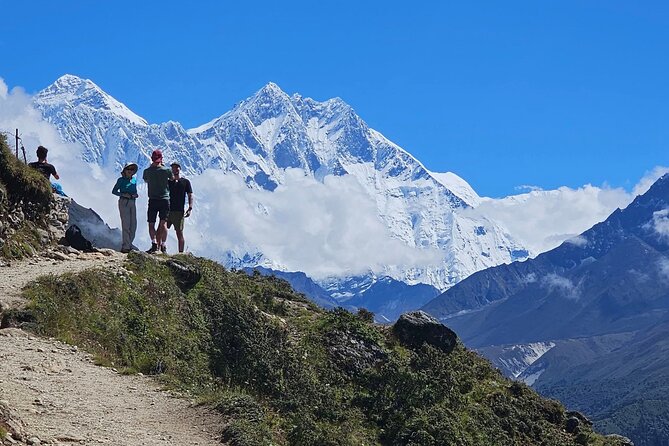
- Lukla flights are included: The package covers round-trip domestic airfare from Kathmandu, including airport tax, but weather can still disrupt the schedule.
- The group stays small: This is a private trip, with no more than eight people in one booking.
- Tea-house lodging covers the route: The package lists 11 nights in tea houses, plus Kathmandu hotel accommodation.
- Namche is your acclimatization base: Day 4 includes an easier day with an Everest View Point outing rather than another long transfer.
- You carry your own bag: Keep your luggage below 22 pounds, or 10 kilograms. Extra bags can be left at the company office or hotel.
- The price is not fully all-inclusive: The $999 tour price excludes food and drinks, listed at about $350 per person, and gratuities, listed at $150 per person.
What the $999 Everest Base Camp trek includes
At $999 per person, this trek offers a useful package for someone who wants the major arrangements handled without paying for a luxury expedition. You receive airport pickup and drop-off by private car, a licensed trekking guide, Kathmandu accommodation, tea houses along the route, and flights between Kathmandu and Lukla.
The package also includes government taxes, VAT, service charges, a first-aid kit, and a Himalayan Recreation T-shirt. Two breakfasts are listed as included, along with dinner, but the food details are not perfectly clear. The information also refers to two Kathmandu hotel nights in one place and three nights in another, while the itinerary appears to use Kathmandu on the first and thirteenth days.
I would confirm the exact hotel-night count and meal plan before paying. The listed extra food budget of $350 per person gives you a more realistic idea of the final cost. Add the suggested $150 gratuity, and the trip is closer to $1,499 per person before personal gear, insurance, and any extra nights caused by flight trouble.
That is still a fair price for the services listed, especially since the Lukla flights can be a costly part of the route. The value depends on clear communication. Ask exactly how many nights are in Kathmandu, which meals are covered, and what happens if weather forces you to stay in Lukla.
Other treks that start from Kathmandu:
- Everest Base Camp Trek – 14 Days
★ 5.0 · 1,499 reviews - Everest Base Camp Helicopter Tour landing at Everest View Hotel
★ 5.0 · 668 reviews - Everest Base Camp Trekking
★ 5.0 · 485 reviews
Kathmandu begins with practical preparation
Day 1 is set aside for Kathmandu, Thamel, and contact with the trekking company. Thamel is the useful starting point for a Himalayan trek. It is where you can check equipment, sort permits, and make last-minute purchases or rentals with help from the guide.
The company requests a clear color passport copy, two passport-size photographs, your occupation, and your home address for permits. Your passport must have at least six months of validity. Send your Nepal arrival details in advance so the pickup can meet you at Tribhuvan Airport.
The arrival service is a real convenience after a long flight. You do not need to find the trekking office alone, and extra luggage can be left at the office or hotel until you return. Still, pack with discipline. You are expected to carry your own luggage, with a recommended limit of 10 kilograms.
Day 2 includes a short flight to Lukla, along with visits to Swayambhunath, Boudhanath Stupa, and the Garden of Dreams in Kathmandu. The schedule as written is tight, so confirm whether these Kathmandu sights are before the flight, after landing, or simply part of the overall plan. Swayambhunath and Boudhanath offer a useful introduction to Nepal’s religious life, but the mountain trek is the central event.
Lukla to Phakding sets the pace
The flight from Kathmandu to Lukla is listed as about one hour. Lukla is the gateway to the Everest region, and the trip begins walking from there toward Phakding.
The route is not simply a point-to-point hike. You pass through small villages and follow the Dudh Kosi river, with the valley narrowing and rising as you go. The first day helps you learn the rhythm of walking for several hours, eating simply, and staying in tea houses.
The itinerary labels the Lukla to Phakding section as a 12-hour stop, but that appears to describe the full activity day rather than twelve hours of walking. Ask your guide for the expected walking time and elevation gain. The important point is to start conservatively. A fast first day does not help you later at high altitude.
Namche Bazaar gives you time to adjust
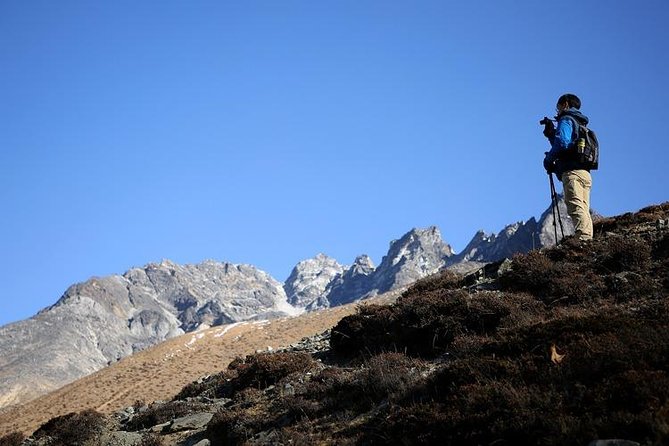
Day 3 takes you toward Namche Bazaar and includes the Dudh Kosi river. Namche is the region’s main trading town and a natural rest point before the higher valleys. The route becomes more demanding here, so steady pacing matters more than speed.
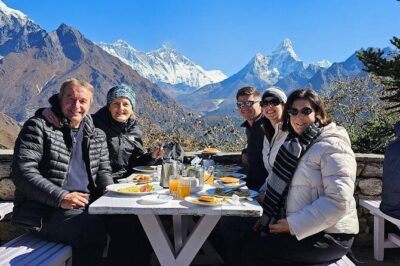
Day 4 is an acclimatization day in Namche, with an outing to the Everest View Point. This is one of the strongest parts of the schedule. You gain altitude during the day, see the mountain region from a higher viewpoint, then return to Namche rather than sleeping at the higher elevation immediately.
The itinerary calls this a full day, with about two hours at the viewpoint. Use the remaining time to rest, drink fluids, check your feet, and ask the guide about any headache, nausea, or unusual fatigue. Fitness helps, but it does not make anyone immune to altitude problems.
A few more things to do in Kathmandu worth a look
- Nagarkot Sunrise View and Day Hiking from Kathmandu
★ 5.0 · 471 reviews - Annapurna Circuit Trek with Tilicho Lake
★ 5.0 · 368 reviews - Everest Base Camp Trekking – 13 Day
★ 5.0 · 365 reviews - Everest Base Camp Trek -14 Days
★ 5.0 · 321 reviews
Tengboche brings mountains and monastery life
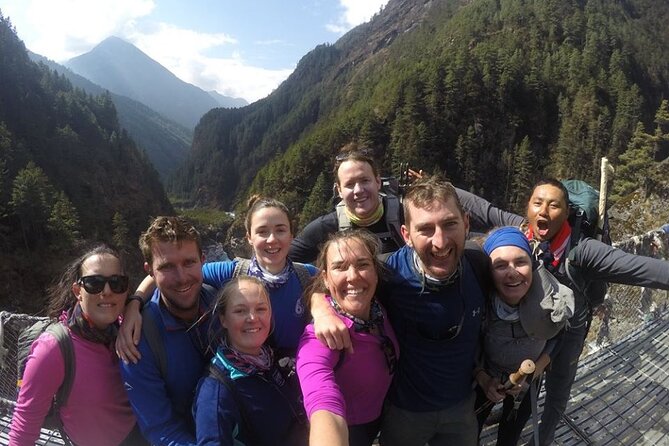
Day 5 continues to Tengboche. The village is known for Tengboche Gompa, and the visit gives the trek a cultural focus beyond mountain scenery. The monastery is set among views of Ama Dablam and Taboche, two of the striking peaks named in the schedule.
The walk is again described as a 12-hour activity day, so you should expect a full trekking day rather than a short stroll. Tengboche is also a reminder that this is a working mountain region. Monasteries, villages, tea houses, and supply routes all remain part of daily life here.
I like the inclusion of Tengboche because it breaks up the physical challenge with a place of reflection. The drawback is that the days are long, and the high valleys leave little room for rushing. Let the guide control the pace.
Dingboche and Chukhung mark the high country
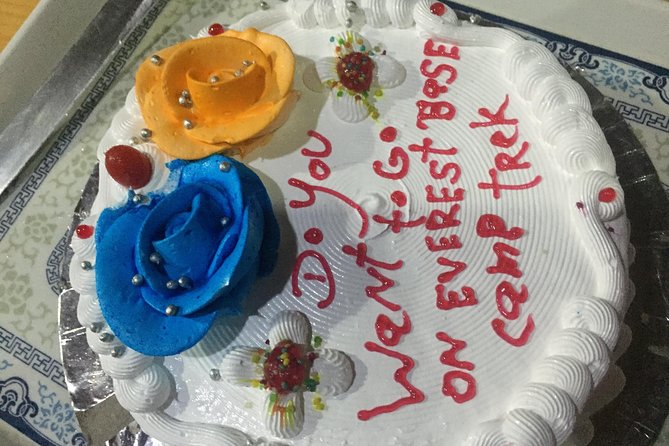
Day 6 reaches Dingboche, a high settlement used by trekkers before the route rises toward Lobuche and Gorak Shep. The air is thinner here, and ordinary tasks begin to take longer. You should expect colder conditions and fewer comforts than in Kathmandu or Namche.
Day 7 remains in the Dingboche area and includes Chukhung, with a reference to the route toward Island Peak. This is not presented as an Island Peak climbing trip, so do not assume a summit attempt is part of your package. The value of this day is another chance to adjust before the final push toward Base Camp.
The schedule again calls for a 12-hour day, but the exact walking plan should be confirmed. At this altitude, a flexible day is safer than a tightly timed one. Tell your guide early if you feel unwell. The tour states that guides have basic first-aid training and know the closest medical facilities, but this is not a substitute for proper insurance.
Lobuche and the Khumbu Glacier sharpen the goal
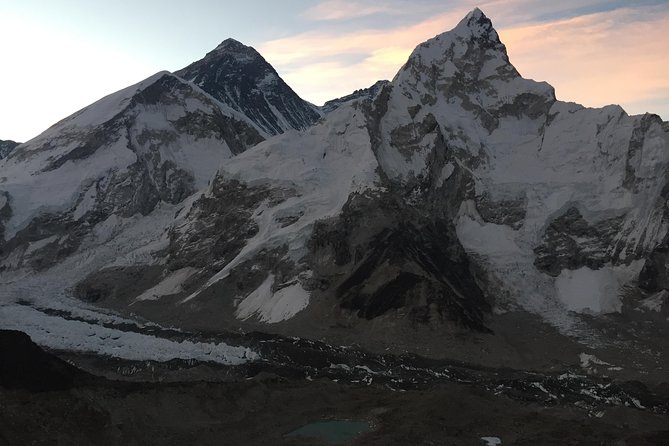
Day 8 takes you to Lobuche and the Khumbu Glacier. The glacier is one of the route’s major natural sights, and seeing it makes the scale of the high valley clear. You are now close to the final objective, but the route is also becoming more physically serious.
Lobuche is a practical overnight stop before Gorak Shep. Tea houses at this height are basic, and your own sleeping gear and warm clothing become important. The supplied information confirms tea-house accommodation but does not promise private rooms, heating, Wi-Fi, or hot showers, so pack and plan for simple conditions.
Keep your expectations realistic. The trek is not a resort walk with mountain views outside every comfortable room. You are paying for access, guidance, and basic shelter on a demanding route.
Gorak Shep and Base Camp are the hard-earned highlights
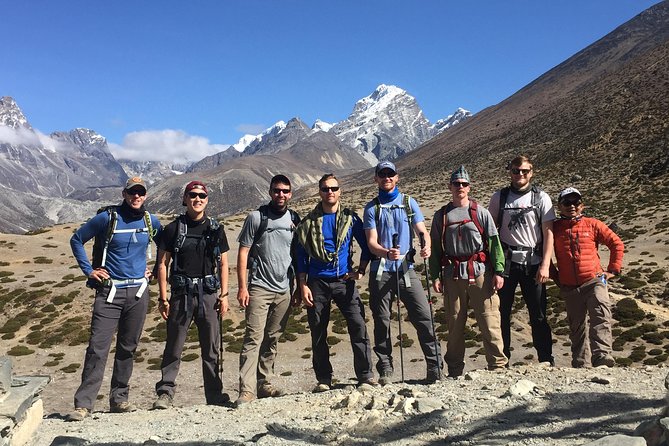
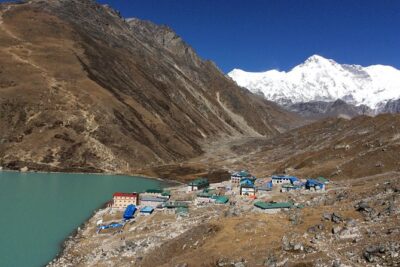
Day 9 includes Gorak Shep and Everest Base Camp, with Mount Everest listed as a major stop. Gorak Shep is the high staging point for the Base Camp outing. The route can feel slow here because altitude affects every step, even for fit people.
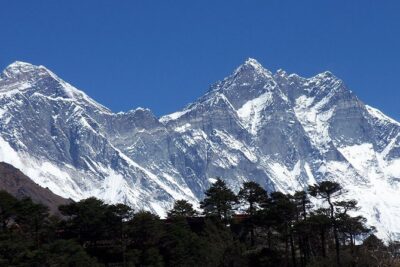
Everest Base Camp is a destination with powerful meaning, but the mountain itself is not always visible from the exact camp area. The surrounding Khumbu Glacier, ice formations, and nearby peaks create much of the visual drama. The schedule allows about three hours around Mount Everest and a full day in the Gorak Shep area.
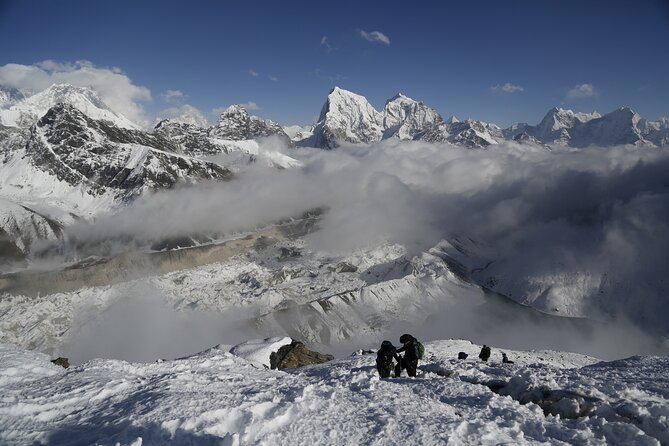
Base Camp is not the end of the physical work. Day 10 begins with Kala Patthar, then continues down through the Pheriche to Dughlha road and Pangboche. Kala Patthar is included as a one-hour stop and is often valued for its broad mountain views. The early timing, if used, may mean cold conditions and a demanding climb after sleeping at altitude.
The descent toward Pangboche should feel easier on your breathing, though your legs may be tired. It is a long day, listed at 12 hours, so keep water and small snacks easy to reach.
The return through Namche and Lukla
Day 11 returns to Namche Bazaar. After the high route, Namche can feel comfortable and familiar. You may have more time to rest, review photographs, and enjoy the contrast between the high valleys and the town’s services.
Day 12 continues to Lukla. The return route is still a full mountain walk, and tired knees can make downhill sections harder than expected. Your guide’s role remains important here, especially in keeping the group together and helping with timing for the flight.
Day 13 returns to Kathmandu, followed by the final Kathmandu day. The package includes airport assistance and Kathmandu hotel accommodation, though the exact number of hotel nights should be confirmed because the details differ between sections of the tour description.
Safety, fitness, and flight delays need serious attention
This is not a casual sightseeing trip. You need a strong physical fitness level, and the route reaches approximately 5,364 meters. Altitude illness can affect people of any age, gender, or fitness level, so discuss the trek with your doctor before departure.
You must carry travel insurance that covers medical expenses and emergency repatriation. Proof of insurance is required on the first day. The guide has basic first-aid training, but evacuation in the Himalayas can be complicated and expensive without proper coverage.
Lukla flights are another practical concern. Weather may delay or cancel the flight, and the tour provider advises allowing one or two extra days. Do not schedule an important international connection immediately after the planned return to Kathmandu. This is one of the biggest planning points in the entire trip.
The minimum age is listed as eight, but the altitude and long walking days make age alone a poor guide. A child would need to meet the fitness demands and receive medical advice.
Who will get the most from this trek?
I would choose this package if you want the Everest Base Camp route with a private group, a licensed guide, and the main transport and lodging arranged in advance. The limit of eight people offers a more personal setup than a large departure, while group discounts may reduce the per-person cost for people booking together.
It suits someone willing to sleep in basic tea houses, carry a small pack, walk long days, and accept weather-related changes. It is less suitable if you want fixed flight times, hotel-style comfort, or a short and gentle mountain holiday.
The personal service is another reason to consider it. If your booking is handled by Bishnu and your guide is Basu, confirm their roles and availability before departure. The experience information identifies both names, but guide assignments can vary, and you should know who will meet you at the airport and lead the trek.
Cancellation is flexible up to 24 hours before the start time for a full refund. Inside that window, the payment is not refunded and changes are not accepted. That policy is useful, but it does not remove the need to budget for delays, insurance, gear, meals, and tips.
Should you book the Everest Base Camp Trek?
Book it if you want a structured 14-day route with Lukla flights, tea houses, Kathmandu support, and a small private group. The itinerary includes the essential sequence: Lukla, Phakding, Namche, Tengboche, Dingboche, Lobuche, Gorak Shep, Base Camp, Kala Patthar, and the return to Kathmandu.
Before booking, get written confirmation of the Kathmandu hotel nights, included meals, exact guide assignment, and the plan for Lukla flight delays. If you can handle the altitude, carry your own luggage, and leave spare days in your schedule, the $999 starting price offers solid value for a classic Himalayan trek. If those conditions sound stressful, choose a lower-altitude route instead.
FAQ
How long is the Everest Base Camp Trek?
The experience lasts approximately 14 days, including time in Kathmandu, the trek between Lukla and Everest Base Camp, and the return to Kathmandu.
Where does the trek begin?
The meeting point is Tribhuvan International Airport in Kathmandu, Nepal. Airport pickup and drop-off are included by private car.
Are flights between Kathmandu and Lukla included?
Yes. Round-trip domestic airfare between Kathmandu and Lukla is included, along with airport tax.
How many people can join one booking?
The activity is private, and a maximum of eight people is allowed per booking.
Is accommodation included?
Yes. The package lists tea-house accommodation during the trek and hotel accommodation in Kathmandu. The details list 11 tea-house nights and two Kathmandu hotel nights, while another description refers to three Kathmandu nights, so confirm the exact count before booking.
Are meals included?
Dinner and two breakfasts are listed as included. Food and drinks are also listed as an additional cost of about $350 per person, so ask for a clear meal breakdown before departure.
What fitness level is required?
You should have a strong physical fitness level. The trek reaches approximately 5,364 meters, where altitude-related health problems can occur regardless of age, gender, or fitness.
What happens if the Lukla flight is delayed?
Flights may be delayed or canceled because of weather. The provider recommends keeping one or two extra days available, and you should avoid arranging a tight international connection after the planned return to Kathmandu.
Just added in Kathmandu
- Kathmandu to Chitwan Tour by Tourist Bus – A Convenient and Affordable Way★ 4.0 · 4 reviews
- Changunarayan Hill to Telkot Hike Near Kathmandu Day Tour★ 5.0 · 6 reviews
- Mt Everest Base CampTrek | Budget Package★ 5.0 · 4 reviews
- Chitwan Jungle Safari 3-Day Tour★ 5.0 · 9 reviews
- Chandragiri Hill Station Tour by Cable Car★ 5.0 · 4 reviews
- Chandragiri Hills cable car day trip, private car with driver from Kathmandu★ 5.0 · 8 reviews
- Chandragiri to Taudaha Nature Day Hiking from Kathmandu★ 5.0 · 13 reviews
- Chandragiri Hill Day Tour★ 5.0 · 4 reviews
Everest Base Camp Treks, compared.
Everest Base Camp Helicopter Tour landing at Everest View Hotel
Read our review →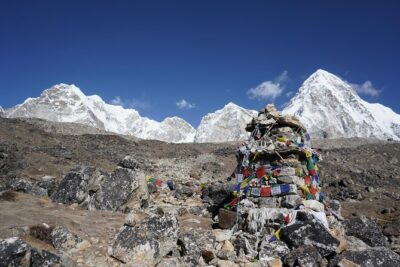
Browse the lists this tour appears in