
Reviewed · EVEREST BASE CAMP TREKS
Everest Base Camp Trek
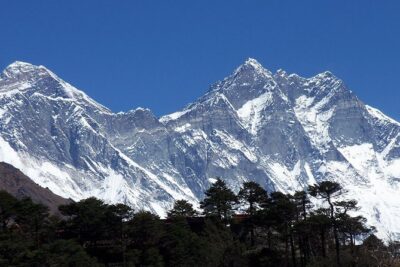
The best part of this 12-day Everest Base Camp Trek is the steady change in scenery. You start with a short flight from Kathmandu to Lukla, then walk beside rivers, through rhododendron forests, past Buddhist monasteries, and into the high, spare world below Everest. Kala Patthar provides the big payoff, with broad views of Everest, Khumbu Glacier, Nuptse, and nearby peaks.
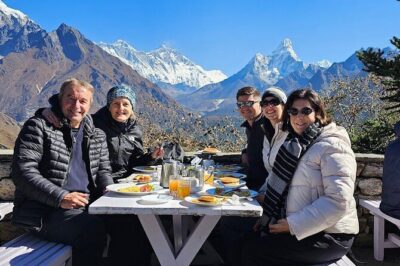
I like the built-in acclimatization day at Namche Bazaar and the practical support package, which includes a guide, tea house lodging, three meals a day, a porter for every two trekkers, airport transfers, and hot soup at high elevations. The main caution is the altitude: this is a demanding trek, not a sightseeing stroll, and the early starts, basic lodging, cold nights, and possible flight disruption at Lukla require patience.
Key points to know before booking
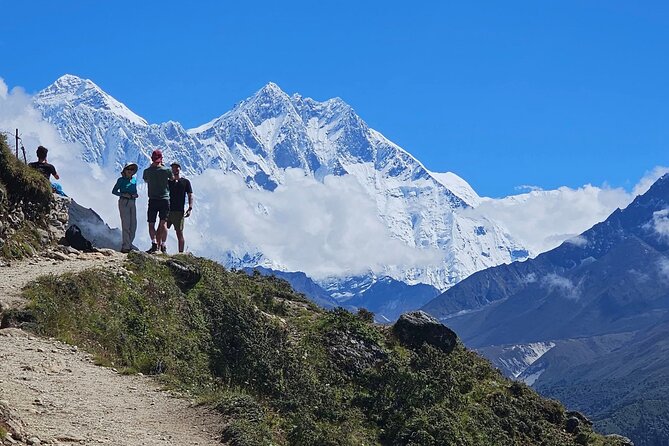
- Kala Patthar is the main viewpoint: The early climb gives you the trek’s clearest high mountain panorama, including Mount Everest and the Khumbu Glacier.
- The route reaches 5,364 meters: Everest Base Camp comes after nights at Dingboche, Lobuche, and Gorakshep, so altitude is a serious part of the experience.
- Namche includes an acclimatization day: You can explore the market town, visit the Sagarmatha National Park museum, and hike toward Everest View Point.
- Support is built into the price: Tea house stays, meals, guide service, porter service, local taxes, and domestic transport are included.
- Lukla flights save time but add uncertainty: The flight takes about 25 minutes, while the walking route lasts most of the trip.
- You pay extra for personal comforts: Hot showers, charging, laundry, bottled water, bar bills, tips, insurance, visas, and extra Kathmandu nights are not included.
What the $2,500 price really covers
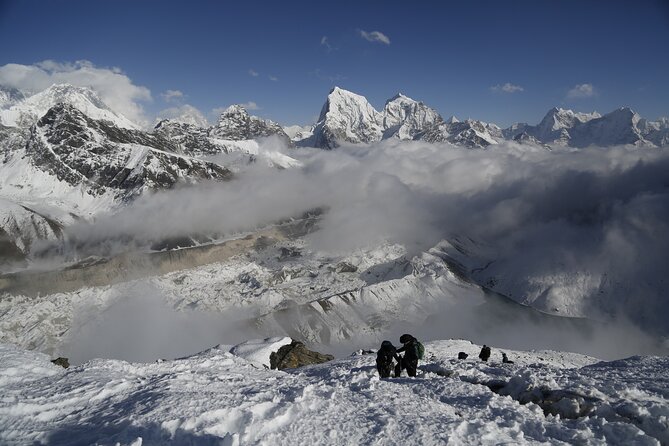
At $2,500, this trek is priced as a supported Himalayan expedition rather than a simple walking holiday. You are paying for the Kathmandu to Lukla flights, airport transfers, tea house accommodation, meals, a professional guide, porter support, government and local taxes, and the planning needed to connect all those pieces.
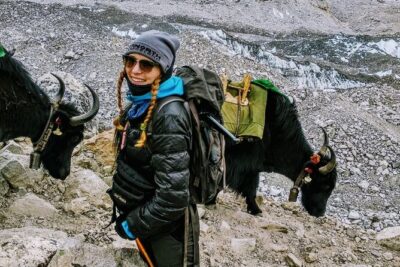
The porter arrangement is one porter for every two trekkers. That matters on a route where you still need to carry a daypack with water, layers, snacks, and personal items. Your porter carries the larger shared load, while the guide leads the route and handles the daily organization.
Three meals a day are included during the trek, along with hot soup at higher elevations. You should still budget for personal drinks, water, hot showers, battery charging, laundry, bar bills, and tips. Travel and rescue insurance is also your responsibility, and that should not be treated as an optional extra on a high-altitude trek.
The package includes a farewell dinner in Kathmandu, a trekking map, a company T-shirt, and a trip completion certificate. These are pleasant additions, but the real value is the logistics and support. The price is easier to justify if you want a private trip for your own group rather than a large shared departure.
Other treks that start from Kathmandu:
- Everest Base Camp Trek – 14 Days
★ 5.0 · 1,499 reviews - Everest Base Camp Helicopter Tour landing at Everest View Hotel
★ 5.0 · 668 reviews - Everest Base Camp Trekking
★ 5.0 · 485 reviews
Kathmandu to Lukla, then the first walk to Phakding
The trip begins at Tribhuvan Airport in Kathmandu, with a listed meeting time of 5:15 am. That early start is practical because the Lukla flight takes only about 25 minutes and is usually treated as the gateway to the walking route.
Lukla feels like a sharp change from Kathmandu. After arriving, you have some time to take in the mountain setting before walking toward Phakding at 2,650 meters. The first section takes about three hours and passes forests, Buddhist monasteries, local settlements, and river scenery.
If the weather is clear, Kanguru Peak may appear along the way. This first day is not the hardest, but it introduces the pattern that will shape the trek: short stops, steady walking, simple meals, and nights in tea houses.
Phakding is a sensible first stop because the route gains altitude gradually. You are already in the Everest region, but the biggest altitude challenges are still ahead.
Six hours beside rivers and waterfalls to Namche Bazaar
The second day takes you from Phakding to Namche Bazaar, at about 3,440 meters. The walk lasts roughly six hours and follows rivers, waterfalls, suspension bridges, and villages.
Lunch is planned around Monje or Jorsalle. The route also passes through the Sagarmatha National Park area, where the forest and mountain views begin to feel more dramatic. Near Namche, Top Danda may provide an early view of Mount Everest if the weather is favorable.
Namche is one of the most important stops on the route. It is not simply a place to sleep. The town gives you a chance to pause before the trail climbs into thinner air, and it has more facilities than the smaller settlements along the way.
The walk into Namche includes a substantial climb, so do not underestimate this day. The schedule calls for about six hours, but your pace, breaks, and conditions can affect the timing.
Namche Bazaar acclimatization and the Everest View Point
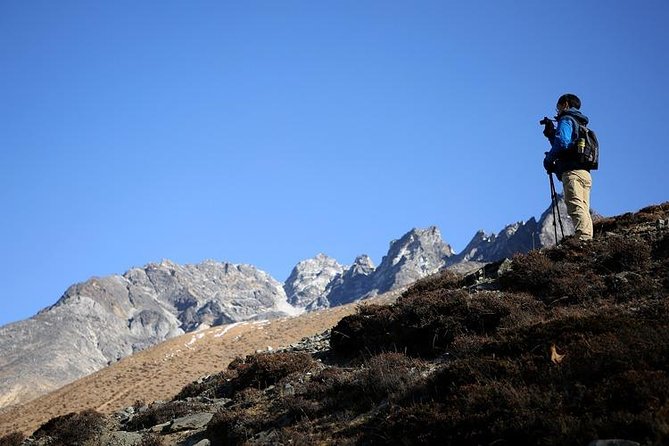
Day three is set aside for acclimatization. This is one of the strongest parts of the itinerary because the body needs time to adjust before the route rises above 4,000 meters.
You can explore Namche Bazaar, shop for souvenirs, and visit the Sagarmatha National Park museum. The plan also mentions hikes toward Everest View Point and views of Kusum Kanguru, Taboche Peak, and Khonde Peak.
The best use of this day is to stay active without overdoing it. A short walk and a return to Namche gives you a chance to see more while still allowing your body to rest. The museum adds useful context to the natural setting, and the town itself gives you a look at the local mountain economy.
This day also gives you a practical chance to check your clothing, water, and personal gear. From here, the route becomes colder, higher, and more demanding.
A few more things to do in Kathmandu worth a look
- Nagarkot Sunrise View and Day Hiking from Kathmandu
★ 5.0 · 471 reviews - Annapurna Circuit Trek with Tilicho Lake
★ 5.0 · 368 reviews - Everest Base Camp Trekking – 13 Day
★ 5.0 · 365 reviews - Everest Base Camp Trek -14 Days
★ 5.0 · 321 reviews
Tengboche Monastery and the rhododendron forest
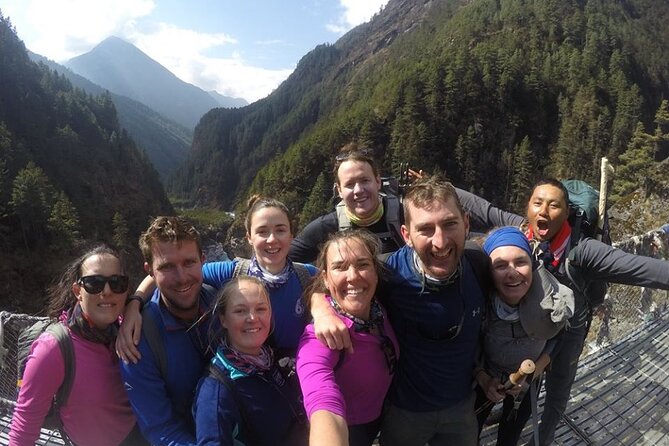
From Namche, the trail to Tengboche takes about five hours and reaches 3,860 meters. You walk through rhododendron forest and follow the river corridor before arriving at one of the trek’s most memorable cultural stops.
Tengboche Monastery is the main attraction. You can visit the monastery and see monks and local people following long-held Buddhist rituals and traditions. This is more than a quick photo stop. It gives the trek a human and spiritual dimension before the route moves into the high alpine zone.
The surrounding views are also rewarding, but conditions can change quickly. The monastery, forest, bridges, and river sections make this day varied, even though the walking remains physically serious.
Tea house accommodation keeps the experience grounded. You should expect useful shelter and meals rather than hotel-style comfort. Personal extras, including hot showers and charging, cost more.
Dingboche at 4,400 meters
The walk from Tengboche to Dingboche takes about five hours. Breakfast is planned at Tengboche, lunch around Pangboche or Somare, and dinner at Dingboche.
At 4,400 meters, Dingboche is where altitude becomes a central concern. The route is no longer just a long mountain walk. Each uphill section demands a slower pace, more deliberate breathing, and attention to how you feel.
The village is surrounded by high peaks and open mountain scenery. You will notice the vegetation becoming less dominant as the route climbs. The day is not especially long by distance, but the altitude changes the effort required.
You should listen closely to your guide and avoid treating the schedule as a race. The goal is to keep moving steadily and arrive with enough energy for the higher stages ahead.
Lobuche, Nuptse, and the final approach to base camp
The itinerary gives about four to five hours for the walk from Dingboche to Lobuche, at 4,910 meters. The two time estimates differ slightly, so you should expect the day to vary with stops and conditions.
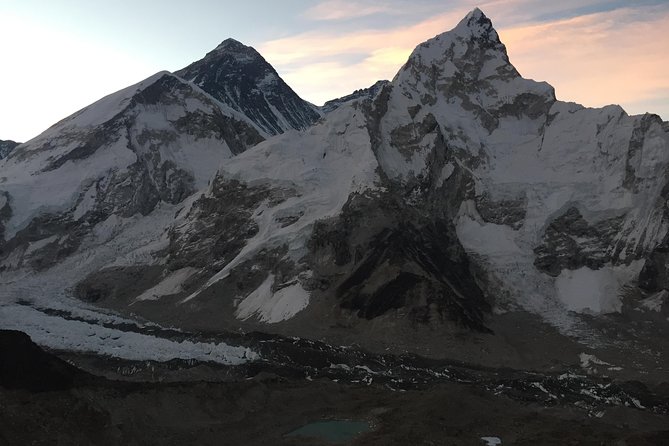
Views may include Nuptse, Island Peak, Lobuche Peak, and Taboche Peak. The scenery becomes more exposed and severe, with fewer trees and a stronger sense that you are entering a high mountain environment.
Lobuche is an important overnight stop because it breaks up the climb toward Gorakshep. Sleeping at nearly 5,000 meters can be uncomfortable, especially if you are not used to the altitude. The tea house setting is functional, and the cold may make small comforts such as a hot shower or charged phone feel expensive but worthwhile.
The next morning, you walk for about three and a half hours to Gorakshep, at 5,150 meters. The trail is steep in places, and the altitude makes every climb feel longer.
After lunch in Gorakshep, the route continues to Everest Base Camp at 5,364 meters. You pass a small glacier and lake before reaching the base camp area. The Khumbu Glacier, Kala Patthar, and Everest form the main visual reward.
Base Camp itself is not the highest viewpoint of the trip. It is the symbolic destination, the place that connects the walking route with the climbing history of Mount Everest. The conditions can be rough, and the approach is physically demanding, so reaching it is an achievement even when the views are partly affected by cloud.
The early Kala Patthar climb
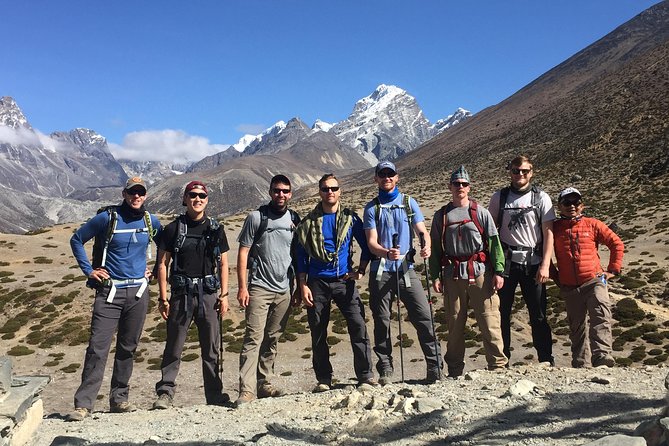
Day eight begins early with the climb to Kala Patthar. The ascent takes about three hours, followed by a descent to Gorakshep for breakfast and then a continuation to Lobuche, roughly two and a half hours farther.
Kala Patthar is the strongest viewpoint on this route. It is described as the best viewing platform in the Everest region, and the early timing is useful because mountain visibility can be better in the morning. From the high ridge, you may see Everest along with the Khumbu Glacier and surrounding peaks.
This is also one of the hardest moments of the trek. You are climbing above 5,000 meters after the previous day’s walk to Base Camp. The path is steep, the air is thin, and the cold can be sharp. Take the climb slowly and keep your expectations flexible.
The descent to Lobuche may feel easier on your lungs, but it is still a long day. This is a good point to value the guide and porter arrangement. You can focus on pacing and footing rather than carrying a full trekking load.
The long return through Tengboche and Namche
The route returns from Lobuche to Tengboche in about five and a half hours. Lunch is planned around Pangboche or Deboche, and the walk includes monasteries, stupas, bridges, and rivers.
Descending does not mean effortless. Your knees and feet may be tired, and uneven ground remains a concern. The return route gives you a different view of places you passed earlier, and the lower altitude gradually makes breathing easier.
The next day connects Tengboche to Monjo in about six hours, passing through rhododendron forest and Namche Bazaar. Lunch is planned at Namche before continuing through Jorsalle to Monjo.
This is a useful night before the final walking day. You have left the highest settlements behind, but the route still requires a full day of walking.
Monjo to Lukla and the flight back
The final walking day takes about five hours from Monjo to Lukla. You descend toward Phakding, cross the Dudh Koshi River on suspension bridges, and continue along the river before reaching Lukla.
The route may feel easier because you are losing altitude, but downhill walking can be tiring after more than a week on the trail. Lukla is the final overnight point before the return flight.
The flight to Kathmandu takes about 25 minutes. Once back, an agent is scheduled to escort you to a hotel by private car, and you can spend time exploring Thamel after refreshing.
The flight schedule is one reason to keep your plans flexible. The information provided does not promise a backup day, so you should avoid booking an important international connection immediately after the listed return.
Who should book this trek?
This trip suits you if you want the classic Everest route with organized support and a private group format. You need moderate physical fitness, comfort with long walking days, and a willingness to sleep in basic tea houses at high altitude.
It is a good choice for someone who wants more than mountain scenery. The route includes Namche Bazaar, Buddhist monasteries, local villages, river crossings, Sagarmatha National Park, and the high-altitude goal of Everest Base Camp.
It is less suitable if you want predictable transport, soft beds, private bathrooms, or a relaxed sightseeing pace. The Lukla flight, altitude, early morning Kala Patthar climb, and cold conditions all require patience.
Cancellation is free up to 24 hours before the start time for a full refund. Changes or cancellations inside that window are not accepted for a refund.
Should you book the Everest Base Camp Trek?
Book it if reaching Everest Base Camp and seeing Everest from Kala Patthar are major personal goals, and if you value having a guide, porter, meals, flights, and transfers organized together. The price offers solid practical value because many of the costly pieces of a Himalayan trek are included.
Before paying, confirm the exact accommodation standard, the plan for flight delays, the guide assigned to your group, and any extra costs you should carry in cash. Also arrange your own travel and rescue insurance, and allow flexibility around the Lukla flights.
For a supported first visit to the Everest region, this is a strong, focused route. Just remember that the spectacular views come with real altitude, long days, simple lodging, and no guarantee that mountain weather will follow the timetable.
FAQ
How long is the Everest Base Camp Trek?
The trek is planned for approximately 12 days, including flights between Kathmandu and Lukla.
Where does the trek start?
The meeting point is Tribhuvan Airport in Kathmandu, Nepal. The listed start time is 5:15 am.
Is airport pickup included?
Yes. Private airport pickup and drop-off are included for both international and domestic flights.
What is the highest point on the route?
Everest Base Camp is listed at 5,364 meters. Kala Patthar is also a high viewpoint on the route, although no exact elevation is provided in the tour details.
Are meals included?
Three meals a day are included during the trek, along with hot soup in the high places. Personal drinks and water are not included.
Is accommodation included?
Yes. Tea house accommodation during the trek is included. Extra nights in Kathmandu outside the planned itinerary are not included.
Do I need travel insurance?
Yes. Travel and rescue insurance for clients is not included, so you need to arrange it yourself.
Just added in Kathmandu
- Traditional Momo Making Class★ 5.0 · 10 reviews
- Women Empowerment Project(Nepali cooking class & jewelry workshop★ 5.0 · 15 reviews
- Kathmandu 2 Nights 3 Days Chitwan Jungle Safari Tour★ 5.0 · 9 reviews
- Walking tour of Kathmandu with awesome local guides★ 5.0 · 4 reviews
- Wildlife Adventure in Chitwan Nepal★ 4.0 · 4 reviews
- Kathmandu to Pokhara Premium sofa bus ticket★ 4.0 · 17 reviews
- Regular Yoga for all levels of practitioners in Kathmandu★ 5.0 · 4 reviews
- Kathmandu Street Food Walking Tour – Eat Like a Local★ 5.0 · 3 reviews
Everest Base Camp Treks, compared.
Everest Base Camp Helicopter Tour landing at Everest View Hotel
Read our review →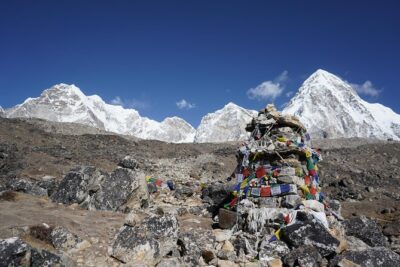
Everest Base Camp Trek with Helicopter Return from Gorakshep to Lukla
Read our review →
Browse the lists this tour appears in