
Reviewed · EVEREST BASE CAMP TREKS
Everest Base Camp Trek
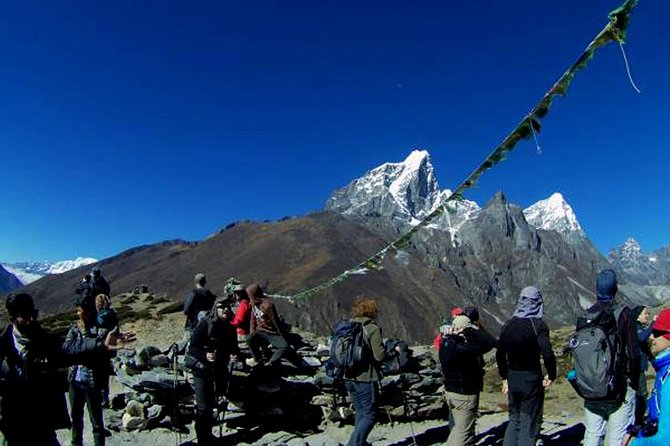
The real prize here is not simply reaching Everest Base Camp. It is the steady walk through Sherpa villages, prayer-flagged bridges, rhododendron forests, monasteries, and high mountain country before you reach the famous viewpoint. The Kala Patthar sunrise hike gives you the clearest look at Everest, Lhotse, and the surrounding peaks.
I like the two planned acclimatization days, especially the stop in Namche Bazaar and the second night in Dingboche. I also like the practical package: meals, permits, domestic flights, lodge stays, a sleeping bag, duffel bag, and walking pole are included. The main caution is altitude, cold, and a fixed non-refundable booking policy. This is a serious trek, not a casual sightseeing walk.
Key points to know before booking
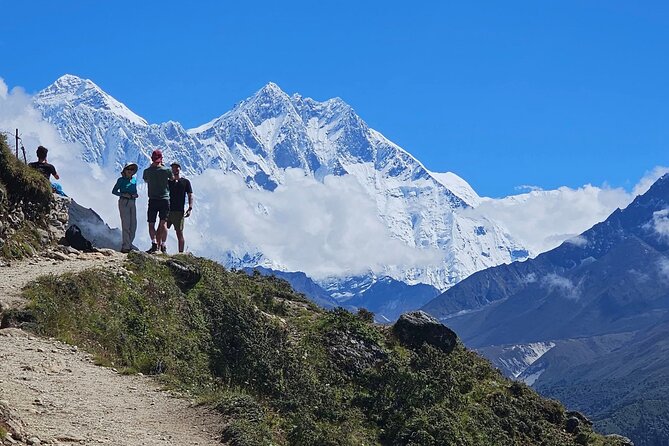
- Kala Patthar reaches 5,545 meters: This is higher than Everest Base Camp and offers the trek’s strongest mountain views.
- Two acclimatization days are built in: You spend extra time in Namche Bazaar and Dingboche to help your body adjust.
- The package covers major costs: Flights between Kathmandu and Lukla, meals, permits, accommodation, porter support, and trekking equipment are included.
- The porter is shared: One porter is provided for every two people, so pack with weight limits and shared carrying in mind.
- Winter can be very cold: December feedback praised the scenery but stressed severe temperatures and the need for proper cold-weather gear.
- A 12-person maximum keeps the group manageable: You are not signing up for a giant trekking convoy.
The trek begins with Kathmandu and Lukla
Your first day starts at Tribhuvan International Airport in Kathmandu, with pickup listed for 7:15 am. A representative takes you to the hotel, where you can rest after your international flight and meet your guide for a briefing.
Day two brings the early flight from Kathmandu to Lukla. The flight is short, listed at about 45 minutes on the return, but it is a key part of the trip because Lukla is the trailhead for this route. After meeting the trekking crew, you begin with an easier walk toward Phakding.
The first trail introduces the details that make this trek special: Sherpa villages, mani walls, prayer wheels, and mountain scenery. The walk takes about three hours, giving you a gentler start before the longer days ahead.
You should not think of Lukla as just a transport stop. It marks the change from ordinary Nepal travel to a footpath journey where the pace is slower, the air gets thinner, and every settlement matters.
Other treks that start from Kathmandu:
- Everest Base Camp Trek – 14 Days
★ 5.0 · 1,499 reviews - Everest Base Camp Helicopter Tour landing at Everest View Hotel
★ 5.0 · 668 reviews - Everest Base Camp Trekking
★ 5.0 · 485 reviews
Namche Bazaar gives you time to adjust
On day three, you follow the Dudh Koshi River toward Namche Bazaar. The route crosses several suspension bridges decorated with prayer flags, passes through pine forest, and enters Sagarmatha National Park. The six-hour walking day is a noticeable step up from the first day.
Namche is more than a place to sleep. It is the main trading and rest center on the route, with a market, bakeries, and the Sherpa Museum. You spend a second night here for acclimatization, which is one of the best features of this schedule.
The planned hike to the Everest View Hotel or Khumjung village gives you a useful reason to walk higher during the day and return to Namche to sleep. The views include Everest, and the stop helps break up the climb before the trail reaches much higher elevations.
You should still take this day seriously. A short acclimatization hike is not a free pass against altitude sickness. Walk steadily, follow your guide’s advice, and report problems early.
Tengboche brings forest and monastery scenery
Day five takes you out of Namche toward Tengboche. The trail offers views of Everest, Lhotse, and Ama Dablam before passing through rhododendron and pine forest. You descend to the Dudh Koshi River, cross a suspension bridge, and climb again toward Tengboche.
This section has a pleasing rhythm: mountain views, forest, river, and a high settlement. Tengboche is also known for its monastery, giving the route a cultural stop rather than a string of camps and viewpoints.
The six-hour walk is not extreme by the standards of this trek, but the repeated climbing and descending can feel tiring. You will appreciate having a guide who keeps the group moving at a sensible pace rather than treating every day like a race.
Day six continues toward Dingboche. You descend through forest to Debuche, cross the Imja Khola, and climb past Pangboche. The route description identifies Pangboche as the highest permanent settlement in the region, and the views become more open as the trees thin out.
Dingboche is where altitude becomes serious
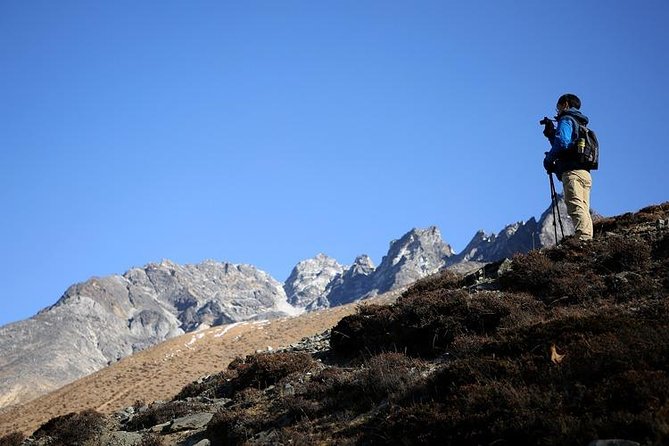
You spend two nights in Dingboche, with day seven set aside for acclimatization. The suggested hike goes to Nagarjun Hill at about 5,100 meters, with views toward Makalu, Lhotse, and Island Peak.
This is a demanding acclimatization walk. It is not merely a rest day, though you return to Dingboche for lunch and time to relax. The purpose is to spend some time higher while keeping your sleeping altitude lower than the day’s high point.
For you, this is one of the most valuable parts of the itinerary. The route does not simply push upward every day. It gives you time to adjust before the thin air and rougher trail toward Base Camp.
The setting also changes noticeably. The earlier forest gives way to rocky ground and sparse vegetation. You should expect the trek to feel more exposed and physically demanding from this point onward.
A few more things to do in Kathmandu worth a look
- Nagarkot Sunrise View and Day Hiking from Kathmandu
★ 5.0 · 471 reviews - Annapurna Circuit Trek with Tilicho Lake
★ 5.0 · 368 reviews - Everest Base Camp Trekking – 13 Day
★ 5.0 · 365 reviews - Everest Base Camp Trek -14 Days
★ 5.0 · 321 reviews
Lobuche and the climbers’ memorial ridge
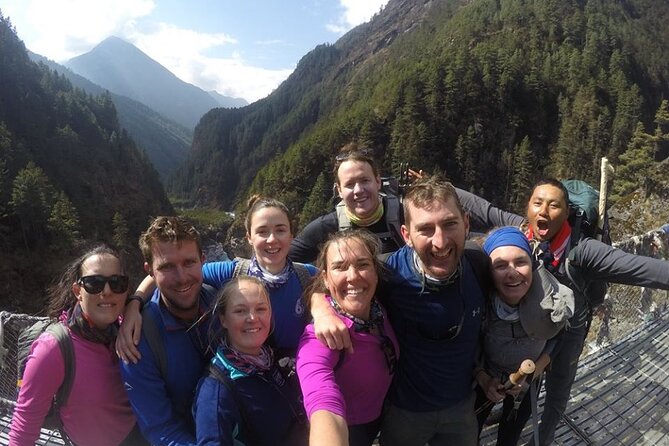
On day eight, you climb toward Lobuche through a rocky area with little vegetation. The trail passes Dughla and then rises to a memorial ridge honoring climbers who died on Everest.
This can be a quiet and sobering section of the walk. Everest is often presented as a dream destination, but the memorials make the mountain’s risks impossible to ignore. The stop adds meaning to the trek without requiring a special detour.
The day lasts about five hours, yet the altitude makes that time feel longer than a similar walk at home. Keep your pace slow and steady. You are now walking in a place where small hills can demand real effort.
Everest Base Camp is the main goal, but not the best view
Day nine takes you gradually toward Gorak Shep, the last settlement before Base Camp. After lunch, you continue over rocky ground and glacier moraines to Everest Base Camp at 5,364 meters.
Reaching Base Camp is the emotional high point for many people. You are at the foot of the world’s highest mountain, surrounded by a rough, high-altitude setting that feels very far from normal life.
Still, Base Camp is not the finest viewpoint of Everest itself. The next morning’s hike to Kala Patthar usually gives you the stronger mountain panorama. This distinction matters because some people expect Base Camp to provide a perfect front-on view of Everest.
The day is listed at about seven hours. At this altitude, the combination of thin air, rough footing, and the return walk can be tiring. You will need warm layers, water, and enough patience to enjoy the achievement instead of rushing through it.
Kala Patthar at sunrise is the visual payoff
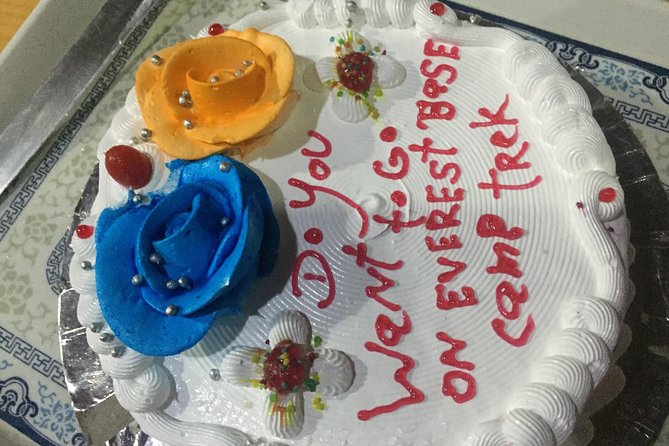
Day ten starts early with the climb to Kala Patthar, at 5,545 meters. The goal is sunrise over Everest and the surrounding Himalayan peaks. Afterward, you descend to Gorak Shep for breakfast and continue toward Pheriche.
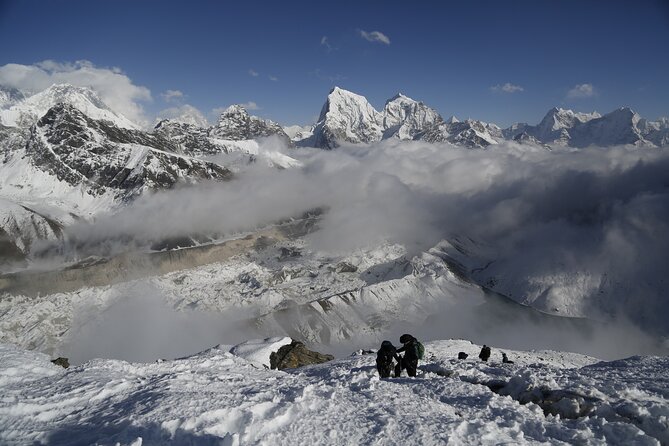
This is the highest point of the trek and likely the most demanding morning. The climb is steep, the air is thin, and the cold can be severe. The reward is the broad view toward Everest, Lhotse, and other major peaks as the light changes.
The descent to Pheriche gives your legs a break from climbing, though downhill walking over rough ground has its own strain. The day is again listed at about seven hours, so do not treat the sunrise hike as a quick photo stop.
Feedback from a December trek underlines the weather issue. The scenery was described as unforgettable, but the temperatures were extremely low. If you choose winter, proper insulated clothing is essential. The included sleeping bag helps, but you should confirm its suitability for your dates and bring personal cold-weather layers.
The return route shows the trail from a new angle
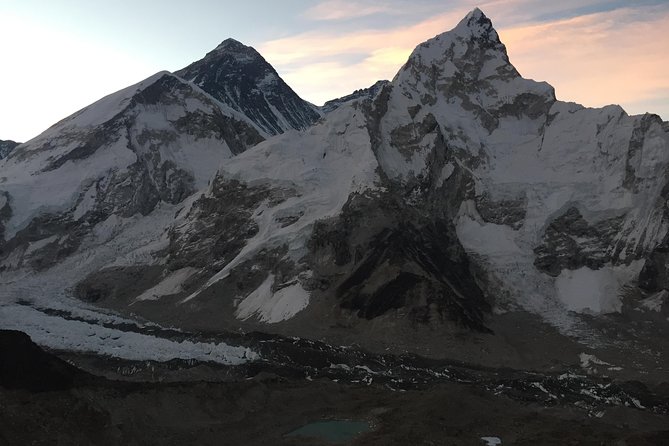
From Pheriche, day eleven takes you back toward Namche Bazaar through Pangboche and Tengboche. You descend through forest, cross suspension bridges, and follow the Dudh Koshi River.
The return is not just a repeat. Walking downhill changes the views, and you now recognize villages and trail sections that looked unfamiliar on the way up. You also have more time to notice the daily life around the route after the pressure of reaching Base Camp has passed.
The seven-hour schedule is long, but descending to lower altitude should make breathing easier. You still need to protect your knees and avoid turning the return into a race.
Day twelve continues to Lukla through pine forest and across high bridges. It is the final trekking day, and the seven-hour walk gives you time to reflect on the route, your guide, porters, and the people you met along the way.
Kathmandu and the weather buffer matter
On day thirteen, you take the morning flight from Lukla to Kathmandu. The return flight is listed at about 45 minutes, followed by a hotel transfer and a chance to rest.
Day fourteen is deliberately kept open as a buffer for flight delays or cancellations caused by mountain weather. This is a practical feature, not wasted time. Lukla flights can be affected by conditions, and a buffer day reduces the risk of connecting directly to an international departure.
If the flight runs on schedule, you can use the day in Kathmandu, though the package details do not specify a particular activity. Day fifteen ends with breakfast and airport transfer for your onward flight.
What the $1,800 price includes
At $1,800 per person, the cost is easier to assess when you look at what is bundled. You receive three nights in a Kathmandu hotel, eleven lodge nights during the trek, three meals a day while trekking, necessary permits, Sagarmatha Conservation fees, ground transport, and the Kathmandu to Lukla return flight.
The package also includes a porter for every two trekkers, plus a sleeping bag, duffel bag, and walking pole. That can reduce the amount of equipment you need to purchase or carry from home.
The meal count is listed as 11 lunches, 12 dinners, and 14 breakfasts. The wording suggests that meals are covered for the trekking and hotel schedule, but I would confirm the exact meal arrangements for arrival, departure, and the buffer day before paying.
The main extra costs are international airfare, the Nepal visa fee, personal travel insurance, and tips for the guide and porter. Insurance deserves special attention because this is a high-altitude trek with domestic mountain flights. The package does not include it.
A 12-person maximum is another useful value point. You get the cost advantages of a group trip without joining a huge crowd. The exact guide-to-group arrangement is not stated, so ask how many guides and porters will accompany your particular departure.
Guide support and the human side of the route
The company is Adventure Great Himalaya Trek and Expedition. Feedback names Krishna as a guide who handled a winter trek well, allowing the trekker to focus on walking while the practical details were managed. Another account names Babu and his team as an important part of a successful trip.
Those names give you useful points to ask about when booking. You can request confirmation of your guide’s name, experience with winter departures, and approach to altitude problems. The package is guided, but good communication matters just as much as the route itself.
The Sherpa villages, monasteries, prayer wheels, mani walls, and local markets are not side decorations. They are what make the route more than a long climb to a famous base camp. Namche, Tengboche, Pangboche, and Dingboche each give you a different view of life at altitude.
Who should book this trek
This trip suits you if you have a moderate level of physical fitness and are ready to walk for five to seven hours on many days. You need to accept basic lodge accommodation, changing weather, high altitude, and a fixed schedule shaped by mountain flights.
It is a good choice if you want a guided package rather than arranging permits, flights, porters, meals, and lodges yourself. It also suits someone who values acclimatization days and a smaller group.
You should think twice if you dislike cold, early starts, basic accommodation, or long walks on rocky ground. This is not a luxury mountain holiday, and the highest point is 5,545 meters. The non-refundable policy also means you should confirm your dates, insurance, health preparation, and flight connections before booking.
Should you book the Everest Base Camp Trek?
I would book this trek if you want a well-organized 15-day route with the major logistics covered and you understand the physical demands. The strongest features are the two acclimatization stops, the included Lukla flights and permits, the shared porter arrangement, and the chance to see Everest from Kala Patthar at sunrise.
The biggest risks are altitude, winter cold, flight disruption, and the non-refundable terms. Ask about equipment ratings, guide assignments, porter weight limits, meal details on the buffer day, and the plan for altitude illness before you commit.
If you prepare properly and give yourself time to walk slowly, this itinerary offers a sensible route to Base Camp with memorable Sherpa culture along the way. If you are looking for comfort, flexible dates, or easy walking, choose a different Nepal trip.
FAQ
How long does the Everest Base Camp Trek take?
The program lasts approximately 15 days, including trekking, acclimatization, Kathmandu hotel nights, return flights, a weather buffer day, and airport transfers.
Where does the trek start?
The trip starts at Tribhuvan International Airport in Kathmandu, Nepal. Pickup is listed for 7:15 am.
What is the highest point on the route?
The highest point is Kala Patthar at approximately 5,545 meters. Everest Base Camp is at approximately 5,364 meters.
Is Everest Base Camp included?
Yes. The route reaches Everest Base Camp on day nine after the walk from Gorak Shep.
Are meals included?
Yes. Breakfast, lunch, and dinner are included during the trek. The package lists 11 lunches, 12 dinners, and 14 breakfasts.
Are permits included?
Yes. Necessary trekking permits and Sagarmatha Conservation fees are included.
Is accommodation included?
Yes. The package includes three nights in a Kathmandu hotel and eleven nights in trekking lodges.
Is the flight between Kathmandu and Lukla included?
Yes. The return Kathmandu to Lukla flight ticket is included, along with ground transportation.
Is a porter provided?
Yes. One porter is provided for every two people. Tips for the guide and porter are not included.
What is not included in the price?
International airfare, the Nepal visa fee, personal travel insurance, and tips for the guide and porter are not included.
Just added in Kathmandu
- Traditional Momo Making Class★ 5.0 · 10 reviews
- Women Empowerment Project(Nepali cooking class & jewelry workshop★ 5.0 · 15 reviews
- Kathmandu 2 Nights 3 Days Chitwan Jungle Safari Tour★ 5.0 · 9 reviews
- Walking tour of Kathmandu with awesome local guides★ 5.0 · 4 reviews
- Wildlife Adventure in Chitwan Nepal★ 4.0 · 4 reviews
- Kathmandu to Pokhara Premium sofa bus ticket★ 4.0 · 17 reviews
- Kathmandu Street Food Walking Tour – Eat Like a Local★ 5.0 · 3 reviews
- Walking tour of real Kathmandu through back streets.★ 5.0 · 3 reviews
Everest Base Camp Treks, compared.
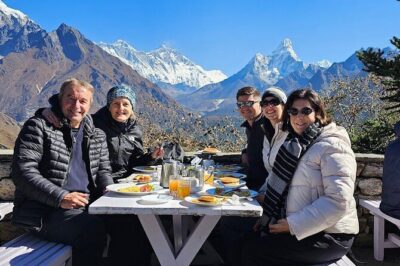
Everest Base Camp Helicopter Tour landing at Everest View Hotel
Read our review →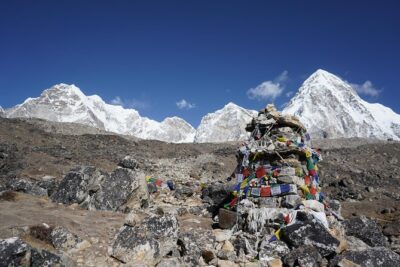
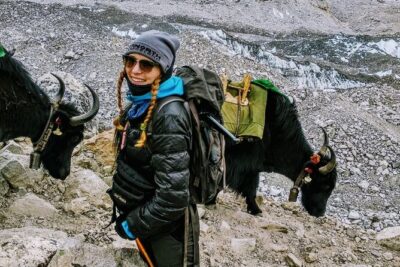
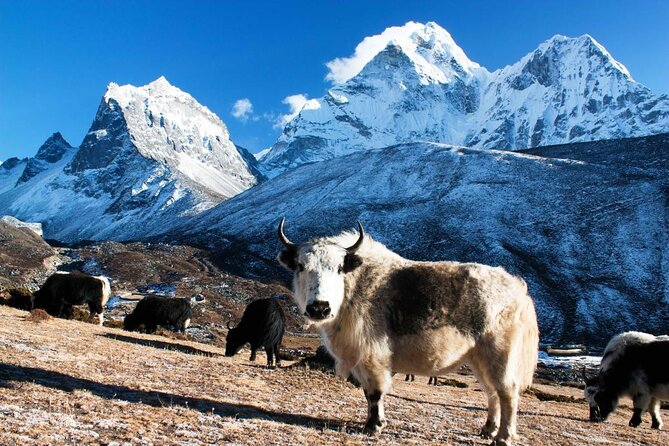
Everest Base Camp Trek with Helicopter Return from Gorakshep to Lukla
Read our review →
Browse the lists this tour appears in