
Reviewed · EVEREST BASE CAMP TREKS
Everest Base Camp Trek and Kathmandu Tour: 15 Days
The big draw is simple: you walk through Sherpa country toward Everest Base Camp, with a dramatic Lukla flight at the start and Kala Patthar at 5,644 meters near the high point. The route also brings you to Tengboche Monastery, Khumbu Glacier, Namche Bazaar, and Sagarmatha National Park.
I like the practical package, with Lukla flights, a licensed guide, porter support, park permits, Kathmandu hotels, and most meals built into the $1,799 price. I also like the useful Kathmandu opening, which covers Swayambhunath, Patan Durbar Square, Pashupatinath, and Boudhanath before the hard walking begins.
The main caution is the pace and altitude. This is a serious mountain trek, not a gentle sightseeing holiday, and the schedule around Gorak Shep, Everest Base Camp, and Kala Patthar should be confirmed carefully because the published day-by-day description presents those high-altitude stops in a slightly confusing order.
Key points to know before booking
- A real high-altitude trek: The route reaches Everest Base Camp and Kala Patthar at 5,644 meters.
- A memorable mountain flight: You fly to Lukla from Kathmandu or Ramechhap, followed by the trek into the Khumbu region.
- Useful acclimatization: A full rest day in Namche Bazaar helps you adjust before going higher.
- Strong cultural range: The program combines Sherpa villages and Tengboche Monastery with four major Kathmandu heritage sites.
- Good cost coverage: Flights, permits, guide, porter, hotels, and most meals are included in the $1,799 rate.
- Small-group format: The maximum group size is 15 people, with group discounts available.
Why this 15-day route works
This trip combines two very different parts of Nepal. The first is cultural Kathmandu, with temples, stupas, shrines, and open cremation ceremonies along the Bagmati River. The second is a demanding trek through the Khumbu, where the focus shifts to mountain views, stone villages, suspension bridges, and long uphill walks.
That combination makes sense if you are flying a long way to Nepal. You get a short introduction to the country before heading into the Everest region, rather than spending the entire trip on a trail. The schedule is also fairly direct, with only 15 days from arrival to departure.
Still, you need to understand what that efficiency means. There is little spare time if a flight is delayed, if bad weather affects Lukla, or if you need an extra rest day at altitude. The package is best for someone who wants a set plan and can manage a demanding itinerary without much room for changes.
Other treks that start from Kathmandu:
- Everest Base Camp Trek – 14 Days
★ 5.0 · 1,499 reviews - Everest Base Camp Helicopter Tour landing at Everest View Hotel
★ 5.0 · 668 reviews - Everest Base Camp Trekking
★ 5.0 · 485 reviews
Kathmandu’s four major sights on day two
Your first day is deliberately light. You are met at Tribhuwan International Airport, transferred to the hotel, and given time to recover after the flight. That matters because the following day begins the cultural tour and the mountain section soon after.
Day two covers four important sites. At Swayambhunath, often called the Monkey Temple, you get a hilltop religious site and one of the classic views over Kathmandu Valley. The visit lasts about an hour, so you will see the main setting without spending half a day there.
Patan Durbar Square follows. Patan is known for fine arts, and its temples and monuments give you a good look at the Newar architectural tradition. The entrance fee is not included, so keep extra cash for Kathmandu’s heritage sites. The stated entrance cost for the UNESCO sites is $20 per person.
At Pashupatinath, you visit one of the most important Hindu temples dedicated to Shiva. The nearby Bagmati River is also a place of Hindu open cremation ceremonies. This is a serious religious setting, so approach it quietly and follow local instructions about where you may stand and what you may photograph.
The final stop is Boudhanath Stupa, described as Nepal’s largest Buddhist temple and the second largest in the world. Its scale and religious importance give the day a strong finish. Four one-hour stops may sound easy, but the combination of walking, traffic, heat, and crowded temple areas can make this a full day.
The Lukla flight and the first trail
Day three takes you by air from Kathmandu or Ramechhap to Lukla, then onto the trail toward Manjo. The flight is one of the most memorable parts of the trip, but it is also the part most exposed to weather and operational changes. The itinerary allows only about 30 minutes for the flight segment itself, followed by the trek, so you should expect a full transition day rather than a relaxed arrival.
From Lukla, you begin walking through the lower Khumbu. The trail to Manjo introduces you to the rhythm of the trek without taking you straight into the highest elevations. You will already be dealing with uneven ground, bridges, and a steady change in altitude.
The next day takes you to Namche Bazaar through woods of rhododendron, magnolia, and fir. The route includes several bridges and about four hours of walking. Namche is more than a stopping point. It is the main trading center of the region and your last major chance to settle into the mountain routine before the trail becomes more remote.
Namche Bazaar gives you time to adjust
Day five is an acclimatization day in Namche, with about two hours of activity listed. This is one of the most sensible features of the plan. Instead of climbing higher every day, you pause in a bowl-shaped mountain settlement and let your body adjust.
You are not expected to treat this as a wasted day. A rest day can include a short walk and time to explore the village, though the exact activity is not specified. The important point is that the schedule gives you a break before Tengboche and the higher villages.
Altitude affects people differently, so a planned rest day does not remove the risk of altitude illness. It does give you a better chance to notice how you are responding before the route becomes harder. If you feel unwell, tell your guide rather than trying to prove your toughness.
A few more things to do in Kathmandu worth a look
- Nagarkot Sunrise View and Day Hiking from Kathmandu
★ 5.0 · 471 reviews - Annapurna Circuit Trek with Tilicho Lake
★ 5.0 · 368 reviews - Everest Base Camp Trekking – 13 Day
★ 5.0 · 365 reviews - Everest Base Camp Trek -14 Days
★ 5.0 · 321 reviews
Tengboche, Dingboche, and the changing scenery
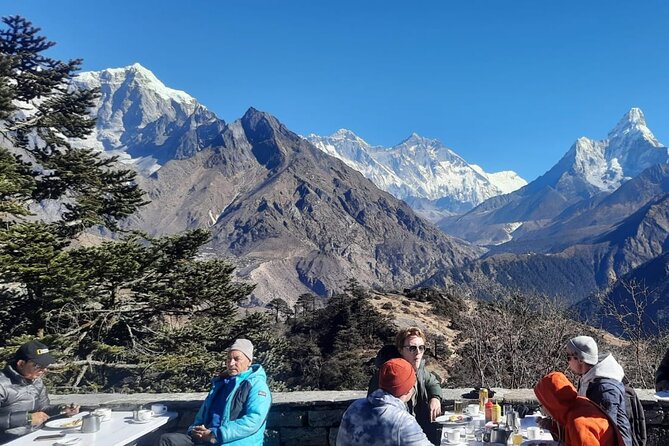
From Namche, you continue toward Tengboche. The walk is described as easy as far as Phunki, followed by a climb to the village. Tengboche is home to the region’s largest monastery, and the visit adds a spiritual dimension to a trek often reduced to mountain views.
Day six is listed at about six hours, so this is a substantial walking day. The monastery is worth the effort, but you should not expect the whole day to feel like a cultural tour. Much of it is trail time, with the climb to Tengboche making the second half more demanding.
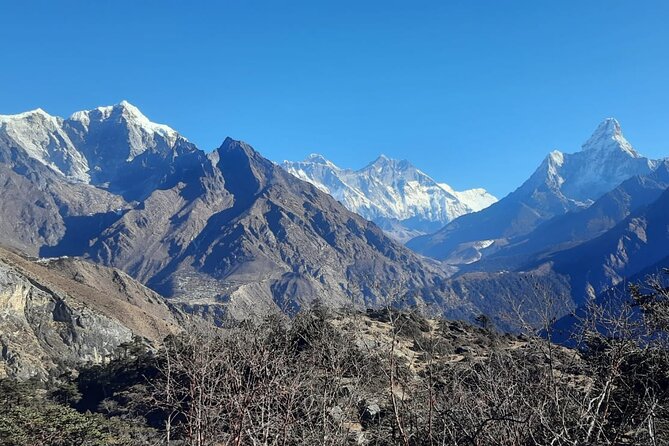
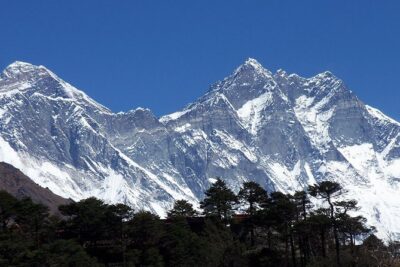
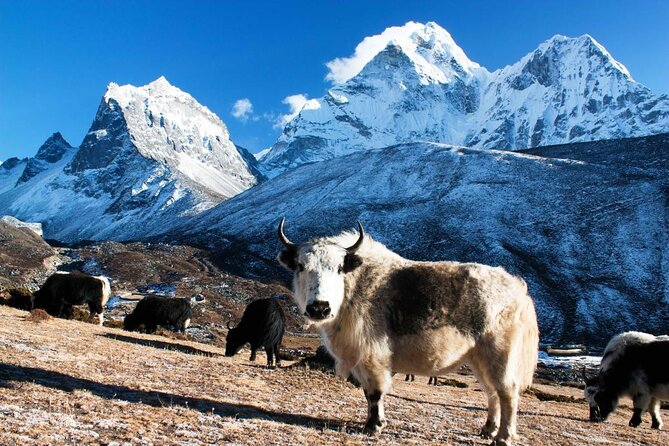
The route then descends through birch and rhododendron woodland before heading toward Dingboche. You will see Mt. Everest, Lhotse, and Ama Dablam along this section. Those views are a useful reminder that the trek is not only about reaching the base camp. The daily walking itself brings changing mountain angles and different village settings.
Day seven takes about five hours and includes both descent and ascent. That up-and-down pattern can be tiring, even when the distance does not sound extreme. At this altitude, a steady pace is more useful than rushing to finish early.
Lobuche, memorial stupas, and the high country
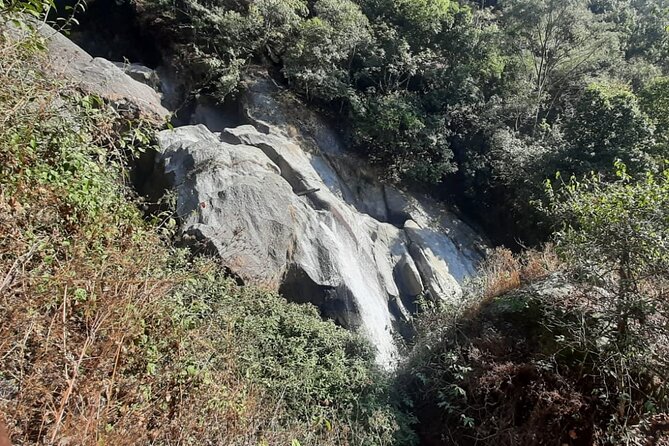
The route becomes more demanding around Lobuche. The program describes a steep climb to the top of a hill after passing Dungla, followed by views of memorial stupas. These memorials mark climbers and mountaineers who died in the Everest region, and they give the trek a quiet, reflective moment.
Day eight is listed at about five hours, but the time alone does not tell you how hard it will feel. You are now higher, the air is thinner, and the terrain is rougher. Your own pace and response to altitude matter more than the official duration.
This is where the included porter becomes especially useful. One porter carries the baggage of two people, so you need to pack carefully and keep your day bag manageable. The included arrangement reduces the load on your back, but it does not mean you can bring unlimited luggage.
Everest Base Camp and the Kala Patthar viewpoint
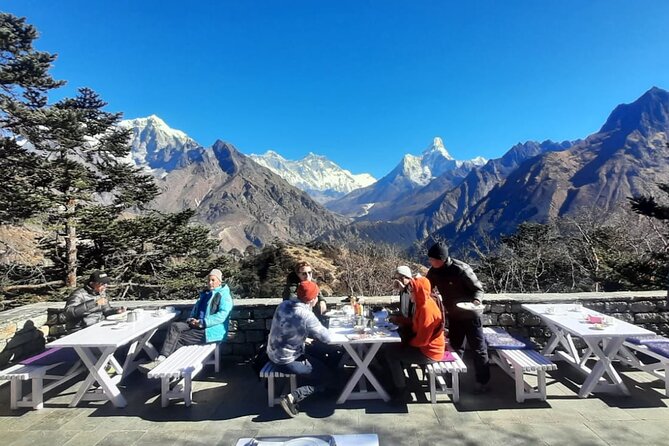
The approach to Gorak Shep and Everest Base Camp is the dramatic center of the trek. The path includes glacier terrain, rough ground, and repeated climbs and descents. The itinerary describes about five hours of walking, but this will likely feel like one of the hardest sections because of the height and uneven surface.
At Base Camp, you reach the famous goal of the route and see the Khumbu Glacier and Khumbu Icefall area. Base Camp itself is not the summit of Everest, and the mountain may not appear in the way first-time visitors expect from that location. Kala Patthar is the key viewpoint for the close-up Everest panorama.
The schedule lists the Kala Patthar walk on day ten, with views toward Lingtren, Khumbutse, and Changtse. It also describes a morning hike to Kala Patthar on day eleven for sunrise before continuing to Pheriche. Since both days refer to Kala Patthar, ask the operator to confirm the exact overnight locations and whether the summit is planned once or twice.
At 5,644 meters, Kala Patthar is the highest point of the trip. The sunrise description is appealing, with the peaks turning golden as the sun comes over the Everest massif. It is also a very high and physically demanding outing, so the view comes at a real cost in cold, thin air, and steep walking.
The return through Pheriche, Namche, and Lukla
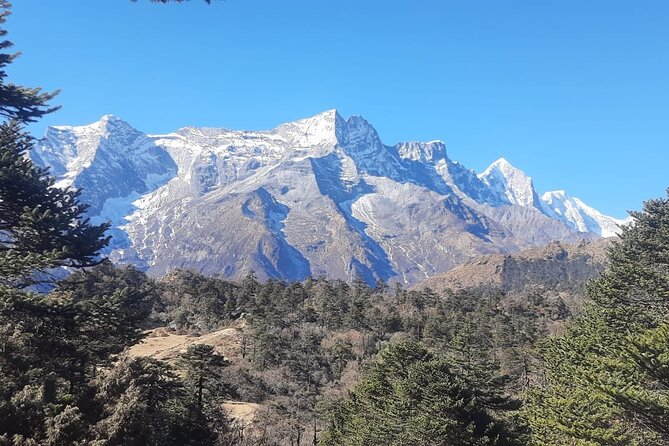
After the high point, the route descends to Pheriche. That downward direction usually feels welcome, but the trail still includes long hours and uneven ground. The stated day takes about five hours, and the route loses nearly 2,000 feet of altitude as it returns toward Namche.
You then cross a bridge over the Dudh Koshi River and pass through rhododendron country on the way back. The familiar trail may look different in reverse, and the lower elevation should gradually make breathing easier. Do not assume the return is effortless, though. Descending puts its own strain on tired knees and ankles.
The final trekking day leads back to Lukla on a rocky path with several suspension bridges before reaching a surfaced section. The warmer air is a pleasant sign that the high country is behind you. The trek ends in Lukla, but the trip is not fully secure until you are back in Kathmandu.
Day fourteen calls for an early flight to Kathmandu, followed by a hotel transfer and free time if the schedule allows. A farewell dinner is also mentioned. Because Lukla flights depend on weather, keep your plans for the end of the trip flexible and avoid booking an important same-day international connection.
What the $1,799 price really covers
At $1,799 per person, this is not a bare-bones trek. The price includes airport arrival and departure transfers, three nights of Kathmandu hotel accommodation with breakfast, the Kathmandu sightseeing day, the Everest National Park permit, return flights to Lukla, a government-licensed guide, and porter support.
Food coverage is also strong. You receive 13 breakfasts, 11 lunches, and 11 dinners. That removes a large amount of daily planning during the trek, though drinks and beverages are not included apart from one cup of tea per day.
You still need to budget for the $20 Kathmandu heritage-site entrance fee, travel insurance, trekking equipment, alcoholic drinks, and the Nepal visa. The equipment point matters. You must bring your own trekking gear, so the headline price does not represent the full cost if you need to buy or rent clothing, boots, or other high-altitude supplies.
The maximum group size is 15. That is small enough to keep a group workable on the trail, while still allowing the cost-sharing benefits of a group departure. Group discounts may improve the value if you are booking with others.
Guide and porter support
The trip uses a government-licensed trekking guide, and guide quality matters greatly here. One guide specifically assigned on a past departure was Rajan, who was praised for his work in the mountains. You should confirm your guide’s name and experience before departure, since the assigned person may vary.
The porter arrangement is one porter for every two people. That is common for a supported trek and lets you walk with a lighter day pack. Pack your main bag within the weight limit given by the operator, and carry essentials such as water, medication, documents, and extra layers yourself.
Communication and punctual transfers have also been strong points associated with this operator’s wider Nepal programs. That is useful in Kathmandu, where airport pickups and transfers can otherwise become confusing. Still, keep all flight and pickup details in writing, especially if your arrival time changes.
Who should book this trek
I would recommend this trip to you if you want the classic Everest route but also want Kathmandu’s main cultural sights included. It suits a person with moderate physical fitness who is ready for repeated five to six-hour walking days, steep sections, rough trails, bridges, and very high altitude.
It is less suitable if you want a relaxed holiday, private flexibility, or a generous weather buffer. The non-refundable booking terms also make travel insurance important. If poor weather cancels the experience, the stated policy offers another date or a full refund, but ordinary cancellations or amendments are not refundable.
Should you book the Everest Base Camp and Kathmandu Tour?
Book it if you value a well-covered package and want the major Everest sights without arranging flights, permits, guides, porters, hotels, and meals separately. The blend of Kathmandu heritage sites, Sherpa villages, Tengboche, Base Camp, and Kala Patthar gives you a broad Nepal experience for the price.
Before paying, confirm three things: the exact Lukla flight arrangements, the day-by-day plan around Gorak Shep and Kala Patthar, and the equipment and baggage requirements. If you are physically ready and accept the weather risk, this is a practical route to one of the world’s great trekking goals.
FAQ
How long is the Everest Base Camp and Kathmandu tour?
The tour lasts approximately 15 days, including Kathmandu sightseeing, the trek from Lukla to the Everest region, the return to Lukla, and the flight back to Kathmandu.
What is included in the tour price?
The price includes airport arrival and departure transfers, three nights in a Kathmandu hotel with breakfast, the Kathmandu UNESCO heritage tour, the Everest National Park permit, return flights from Kathmandu or Ramechhap to Lukla, a licensed guide, porter support, 13 breakfasts, 11 lunches, and 11 dinners.
Is the Kathmandu heritage-site entrance fee included?
No. The entrance fees for the Kathmandu UNESCO World Heritage Sites are not included. The stated cost is $20 per person.
Do I need to bring my own trekking equipment?
Yes. You are required to bring your own trekking equipment. Travel insurance, alcoholic drinks, other beverages, and the Nepal visa are also excluded.
How many people can join the group?
The maximum group size is 15 people. Group discounts are available.
What happens if bad weather cancels the tour?
If poor weather causes the experience to be canceled, you are offered a different date or a full refund. The tour also requires a minimum number of participants, and cancellation for that reason comes with an alternative date, another experience, or a full refund.
Just added in Kathmandu
- Traditional Momo Making Class★ 5.0 · 10 reviews
- Women Empowerment Project(Nepali cooking class & jewelry workshop★ 5.0 · 15 reviews
- Kathmandu 2 Nights 3 Days Chitwan Jungle Safari Tour★ 5.0 · 9 reviews
- Walking tour of Kathmandu with awesome local guides★ 5.0 · 4 reviews
- Wildlife Adventure in Chitwan Nepal★ 4.0 · 4 reviews
- Kathmandu to Pokhara Premium sofa bus ticket★ 4.0 · 17 reviews
- Regular Yoga for all levels of practitioners in Kathmandu★ 5.0 · 4 reviews
- Kathmandu Street Food Walking Tour – Eat Like a Local★ 5.0 · 3 reviews
Everest Base Camp Treks, compared.
Everest Base Camp Helicopter Tour landing at Everest View Hotel
Read our review →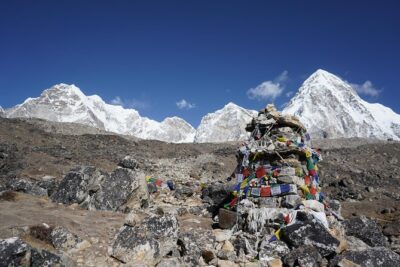
Everest Base Camp Trek with Helicopter Return from Gorakshep to Lukla
Read our review →
Browse the lists this tour appears in