
Reviewed · EVEREST BASE CAMP TREKS
Everest Base Camp Trek from Kathmandu 12 Days
Everest Base Camp is the headline, but the real prize is the steady approach through Sherpa villages, Buddhist monasteries, suspension bridges, and high valleys. This 12-day private trek takes you from Kathmandu to Lukla, then on foot to Base Camp and back, with acclimatization stops in Namche Bazaar and Dingboche.
I like the small private format, since your group gets the guide’s full attention. I also like the practical setup: airport transfers, Lukla flights, permits, a guide, guesthouse accommodation, and a first-aid kit are included. The tradeoff is clear: this is a hard high-altitude trek, not a casual walking holiday, and flight delays or rough conditions can affect the schedule.
Key points to know before booking
- Lukla flights begin and end the trek: Round-trip domestic flights from Kathmandu are included.
- Two acclimatization days help: You stay in Namche Bazaar and Dingboche instead of climbing hard every day.
- Kala Patthar is a major highlight: The early climb gives you a fine view of Everest and the surrounding peaks.
- Sherpa culture is part of the route: Tengboche Monastery, Namche Bazaar, Khunde, Pangboche, and other villages add meaning beyond mountain scenery.
- The trip is private: Only your own group takes part, with an English-speaking guide.
- The price covers key basics: At $1,350 per person, flights, permits, TIMS, transfers, guides, and guesthouse stays are included, while personal expenses are extra.
What the $1,350 price really covers
At $1,350 per person, this trek offers a useful bundle of costly essentials. You get hotel pickup and drop-off, round-trip Kathmandu to Lukla flights, the trekking permit, the TIMS card, an English-speaking guide, guesthouse accommodation, a first-aid kit carried by the guide, and a private trip for your group.
That matters because the Lukla flight and permit arrangements are not small details. Having them handled before you arrive makes the start less stressful, especially when you are also adjusting to Kathmandu and preparing for a demanding walk.
Still, the price is not all-inclusive. Personal expenses are excluded, so you should budget for meals, drinks, snacks, charging, laundry, souvenirs, and any other purchases along the way. The supplied details do not specify whether porter service, travel insurance, or extra accommodation is included, so ask the operator before paying if those points matter to your budget.
The guesthouses are described in basic terms, not as luxury lodges. That fits the route. At altitude, a warm meal, a bed, and a place to rest are more important than polished facilities. You should choose this trip for its route and support, not for upscale accommodation.
Other treks that start from Kathmandu:
- Everest Base Camp Trek – 14 Days
★ 5.0 · 1,499 reviews - Everest Base Camp Helicopter Tour landing at Everest View Hotel
★ 5.0 · 668 reviews - Everest Base Camp Trekking
★ 5.0 · 485 reviews
Day 1: Flying to Lukla and walking to Phakding
Your day begins with a transfer to Kathmandu’s domestic airport for the scheduled morning flight to Lukla. The flight takes about an hour according to the schedule, though mountain aviation can be affected by weather and operating conditions, so keep your plans flexible.
Lukla is the gateway to the Everest region. After meeting your trekking guide, you begin walking toward Phakding. The first day is deliberately short, with about four hours of trekking after the flight. That is a wise opening pace, since you are moving from city level into mountain country and need time to settle into the rhythm.
Phakding is not the grand climax of the route. Its value is practical. You get an early night, a manageable first walk, and a gentle introduction to the trail before the longer climb to Namche Bazaar.
Day 2: Suspension bridges and the climb to Namche Bazaar
The walk to Namche takes about six hours and follows the Dudh Koshi River through pine forest. You cross suspension bridges and gradually gain height, with the trail becoming more demanding as Namche approaches.
Namche Bazaar is the main trading center of the Khumbu region and one of the most memorable settlements on the trek. Its curved amphitheater of buildings, mountain setting, and role in local trade make it feel like more than a place to sleep.
This day asks more of your legs than Day 1. Walk slowly, drink regularly, and keep your pace steady. A strong start is useful, but rushing toward Namche gains you nothing. Your guide’s job is especially important here, since the program depends on careful progress rather than speed.
Day 3: Acclimatization around Namche Bazaar
You spend another night in Namche, which is one of the best features of this schedule. Acclimatization works better when you stay active, so the plan allows for a day hike to Thame, a visit to Khunde, or time exploring Namche itself.
The exact choice gives the day some flexibility. Thame offers a quieter village option, while Khunde adds another Sherpa community to your route. Staying around Namche lets you rest without spending the whole day lying down.
I like this pause because it protects the rest of the trip. Everest Base Camp is not won by charging uphill on the first two days. The Namche stop gives your body a chance to adjust before you move into higher country.
A few more things to do in Kathmandu worth a look
- Nagarkot Sunrise View and Day Hiking from Kathmandu
★ 5.0 · 471 reviews - Annapurna Circuit Trek with Tilicho Lake
★ 5.0 · 368 reviews - Everest Base Camp Trekking – 13 Day
★ 5.0 · 365 reviews - Everest Base Camp Trek -14 Days
★ 5.0 · 321 reviews
Day 4: Tengboche and its famous monastery
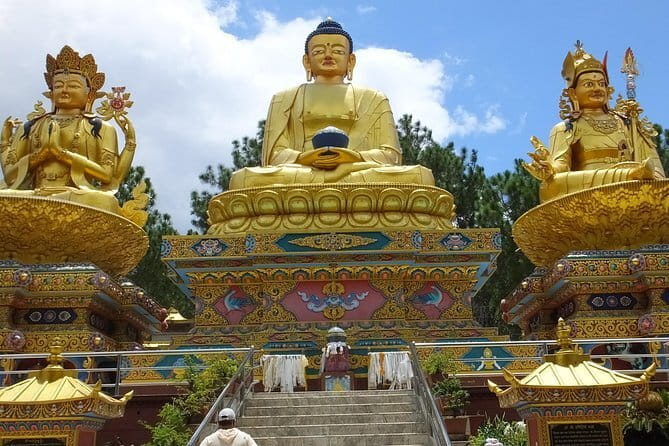
The walk to Tengboche takes around six hours. The route is described as dusty and winding, with some climbing and descending but not constant steep work. That leaves time for photographs and for noticing the changing mountain views.
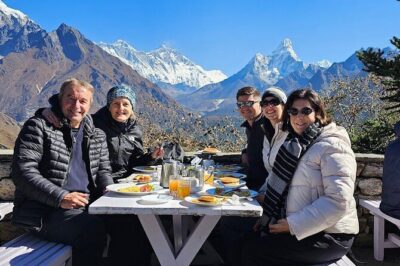
Tengboche is one of the cultural high points of the route. Its Buddhist monastery is a major reason to pause here, and the setting opens up broad views toward Everest, Lhotse, and Ama Dablam. The schedule also allows a visit to the region’s oldest Buddhist monastery during the following stretch, so your guide can help explain how the religious sites fit into daily Sherpa life.
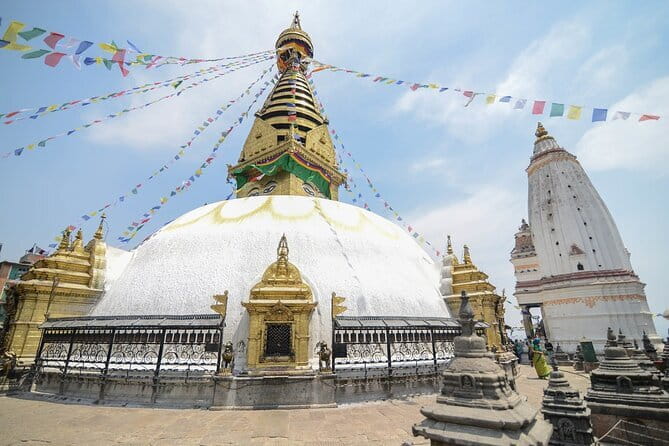
Tengboche is also a reminder that this is not simply a mountain photo trip. Prayer flags, monasteries, and village life give the walk a human setting. Treat the monastery as a place of worship, not just a picture stop.
Day 5: The alpine route to Dingboche
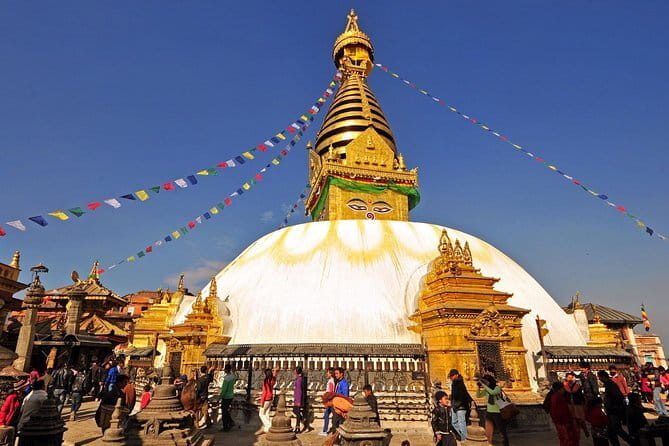
The trek from Tengboche to Dingboche takes about seven hours, making it one of the longer days. You pass through alpine woods, Upper Pangboche, and Shomare before reaching Dingboche.
Upper Pangboche is a substantial settlement, and walking through it gives you another look at how communities function in the Khumbu. The route gradually feels more exposed and more remote as you leave the thicker woodland behind.
Dingboche is an important stopping point because the altitude is now a serious part of the trip. This is not the place to test your speed. Keep your breathing controlled, listen to your guide, and tell the guide promptly if you feel unwell.
Day 6: A second acclimatization day in Dingboche
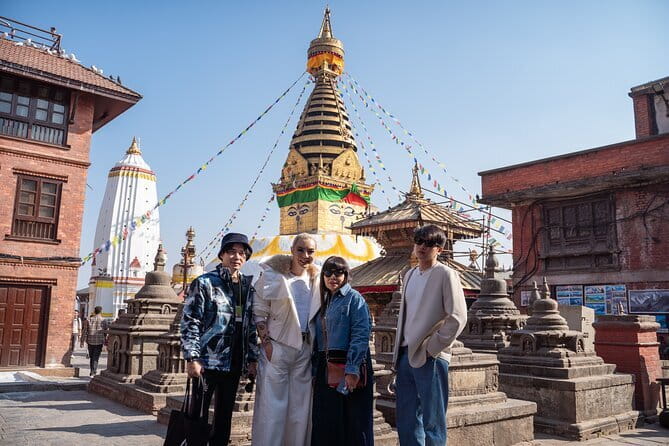
You spend a second night in Dingboche, with around five hours available for a local walk or village visit. The schedule says you may explore Dingboche and nearby villages while still allowing time for rest.
This is another sensible feature. The high route ahead includes Lobuche, Gorakshep, and Base Camp, so a rest day here gives you a better chance of completing the final approach. You remain active rather than sitting still, but the day should feel easier than the long trek from Tengboche.
Dingboche is also where the purpose of the acclimatization plan becomes obvious. You are not only walking farther each day. You are also dealing with thinner air, cooler conditions, and more demanding ground. A patient schedule is part of the safety plan.
Day 7: Boulders, yaks, and Lobuche
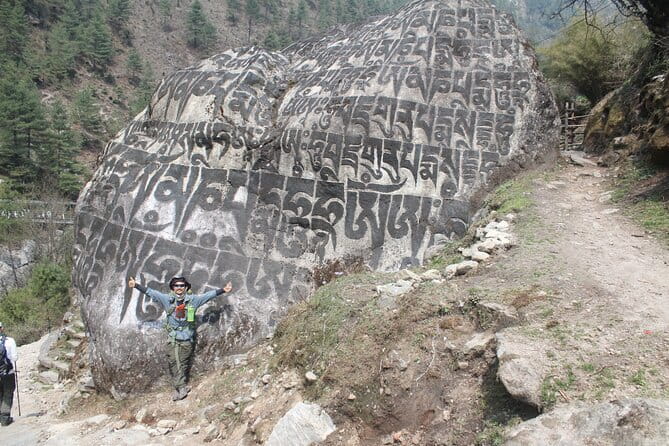
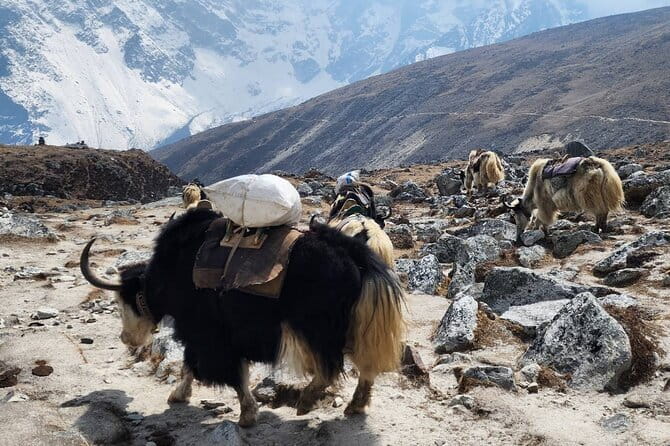
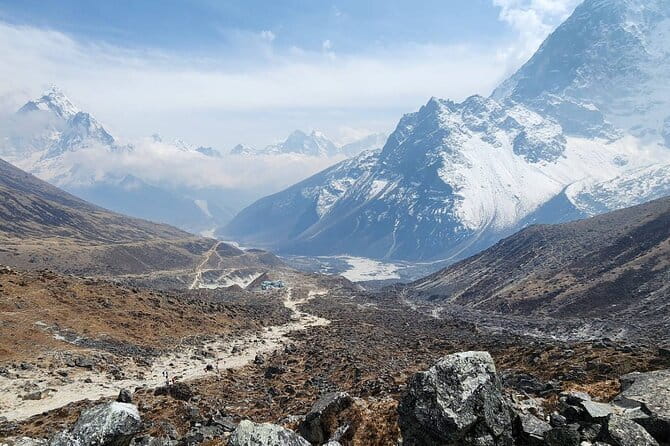
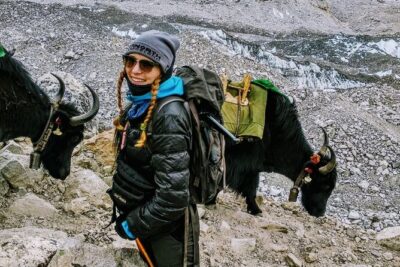
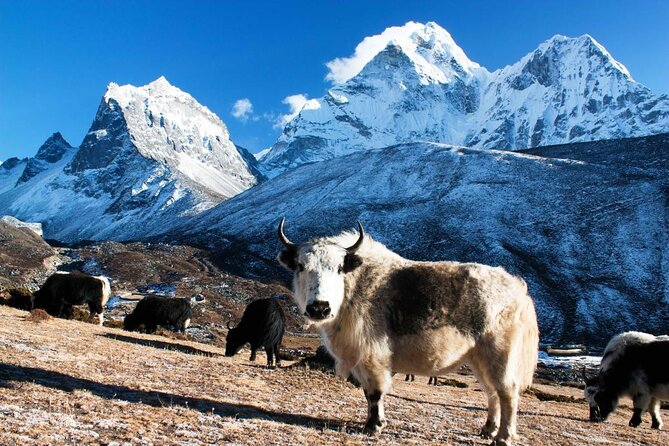
The seven-hour walk to Lobuche follows the Khumbu Khola valley toward Duglha. The valley narrows as you approach Dusa, and the route becomes rougher, with large boulders underfoot and mountain yaks moving along the trail.
This is a more rugged day than the forested opening section. The surface can slow you down, so good footwear and a controlled pace matter. Do not treat the published walking time as a race target. It is a broad guide, and your pace may vary.
Lobuche places you close to the high point of the trek. At this stage, the excitement of nearing Base Camp is real, but so is the physical strain. Keep your evening simple and save energy for the next day.
Day 8: Gorakshep and Everest Base Camp
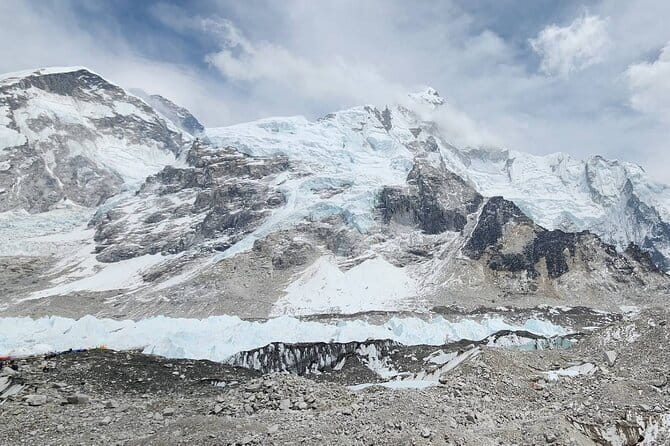
The walk to Gorakshep takes about three hours, following the side of the Khumbu Glacier. The trail passes the pyramid signpost and climbs toward Thangma Riju, where you can take in views of the surrounding peaks.
Gorakshep is the staging point for Everest Base Camp. After settling in, you continue to Base Camp for roughly two hours, spend time at the destination, and return to Gorakshep for the night. The round trip is demanding because of the altitude and rough footing, but this is the day most people picture when they think of the trek.
It is worth keeping expectations realistic. Everest Base Camp is a powerful destination, but the famous summit view is not necessarily the best from Base Camp itself. The site gives you the sense of the climbing route and the Khumbu Glacier. The broad mountain view comes into its own from Kala Patthar the next morning.
Day 9: Kala Patthar and the descent to Pheriche
The early climb to Kala Patthar takes about three hours. Starting early gives you the best chance of seeing dramatic mountain light, and the viewpoint is presented as one of the finest on the route.
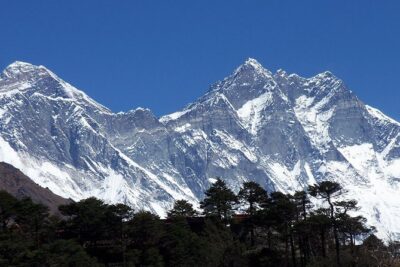
This is where you can appreciate the scale of the region. Everest, Lhotse, Nuptse, and other snow-covered peaks fill the view, with Everest reaching 8,848 meters. You also have sightlines toward Lhotse at 8,516 meters, Nuptse at 7,861 meters, and Makalu at 8,485 meters in the wider Himalayan panorama.
After Kala Patthar, you return to Gorakshep, rest, and continue down to Pheriche for about four hours. The descent helps your body, but downhill walking can be hard on tired knees. Use trekking poles if you already own them, and take care on loose or rocky ground.
Day 10: Returning to Namche Bazaar
The route back follows the Khumbu valley toward Duglha and then through Pheriche and nearby Sherpa villages. The day takes around six hours and covers familiar ground from a new direction.
Descending can feel easier because the air gradually becomes thicker, but the trail still demands attention. Your legs have already worked hard, and uneven stones can turn a simple downhill into a tiring one.
Returning to Namche gives you another chance to enjoy the town without the same pressure you felt on the way up. It is a good place to reflect on the route, sort photographs, and enjoy the sense that the hardest high-altitude section is behind you.
Day 11: Down through Phakding to Lukla
The walk to Phakding takes about three hours, followed by another three hours to Lukla. The trail drops steeply in places, so you should walk slowly and keep control rather than letting gravity set the pace.
You pass through pine and rhododendron forest on the way back. The greenery feels more noticeable after the bare, high valleys near Base Camp. Lukla is your final overnight stop before the flight to Kathmandu.
This is a useful buffer in the schedule. You are not trying to hike all the way to Lukla and catch a flight on the same day. Still, the next morning’s flight can be affected by conditions, so avoid booking a tight onward international connection without checking the operator’s advice.
Day 12: Flying back to Kathmandu
The scheduled morning flight from Lukla to Kathmandu takes about 35 minutes. After arrival, the provided plan includes the transfer back to Thamel.
The final day is short on foot but still tied to mountain flight conditions. You return with a completed circuit, a folder full of mountain photos, and a much better feel for the Khumbu than a quick viewpoint visit could provide.
Guides, support, and the private format
The trip uses an English-speaking trekking guide, and the company describes its guides as experienced, with many coming from the Sherpa community. Names associated with past bookings include Milan, Bikram, and Bishnu. Bikram is repeatedly singled out for careful organization, a friendly manner, motivation, and attention to safety, while Milan is described as kind and experienced.
You should not assume one particular guide is guaranteed unless the operator confirms it. Ask before booking if you want to know who will lead your group.
The private format is a strong point. Only your group participates, which makes it easier to discuss pace, rest, photography, and how you feel at altitude. It also means you do not have to match the speed of strangers.
Who should book this Everest trek?
I would recommend this trek to you if you want the classic Everest route, can handle long days on rocky trails, and value a guide-led experience with the main logistics arranged. It suits someone who wants more than mountain views, since the route includes Sherpa villages, monasteries, and time in Namche and Dingboche.
You should think twice if you want a soft adventure, luxury lodging, or a fixed schedule with no room for flight disruption. The operator requires strong physical fitness, and that requirement should be taken seriously.
Bring your passport details and a passport photo, or a usable selfie, because they are needed to issue the trekking permit. You can cancel for a full refund if you do so at least three full days before the local start time. Cancellations or changes made later are not accepted for a refund.
Should you book it?
I would book this trek if the $1,350 price fits your budget and you want the classic Base Camp route with flights, permits, transfers, guesthouses, and a private guide arranged in one package. The two acclimatization days, Kala Patthar sunrise, and Sherpa cultural stops give the schedule real substance.
Before paying, confirm what personal expenses you should expect, whether porter support is available, and which guide is assigned. If you are fit, patient, and ready for basic accommodation and a demanding high-altitude walk, this is a practical way to reach Everest Base Camp without arranging every piece yourself.
FAQ
How long is the Everest Base Camp trek from Kathmandu?
The experience lasts approximately 12 days, including flights between Kathmandu and Lukla, the trek to Everest Base Camp, the return walk to Lukla, and the flight back to Kathmandu.
Is the trek private?
Yes. Only your own group participates in this private tour or activity.
Are flights from Kathmandu to Lukla included?
Yes. Round-trip flight tickets between Kathmandu and Lukla are included.
What accommodation is provided?
Accommodation is provided in guesthouses during the trek. The available information does not describe the guesthouses as luxury properties.
Is a guide included?
Yes. An English-speaking trekking guide is included, along with a first-aid kit carried by the guide.
Are permits included?
Yes. The trekking permit and TIMS card are included. You must provide passport details and a passport photo, and a selfie can be used for the photo.
How physically fit do I need to be?
You should have a strong level of physical fitness. The route includes long walking days, steep sections, rocky ground, and high-altitude trekking.
What is not included in the price?
Personal expenses are not included. The supplied details do not list individual items such as meals, drinks, or other purchases separately, so you should confirm those costs before booking.
Just added in Kathmandu
- Traditional Momo Making Class★ 5.0 · 10 reviews
- Women Empowerment Project(Nepali cooking class & jewelry workshop★ 5.0 · 15 reviews
- Kathmandu 2 Nights 3 Days Chitwan Jungle Safari Tour★ 5.0 · 9 reviews
- Wildlife Adventure in Chitwan Nepal★ 4.0 · 4 reviews
- Kathmandu to Pokhara Premium sofa bus ticket★ 4.0 · 17 reviews
- Walking tour of Kathmandu with awesome local guides★ 5.0 · 4 reviews
- Regular Yoga for all levels of practitioners in Kathmandu★ 5.0 · 4 reviews
- Kathmandu Street Food Walking Tour – Eat Like a Local★ 5.0 · 3 reviews
Everest Base Camp Treks, compared.
Everest Base Camp Helicopter Tour landing at Everest View Hotel
Read our review →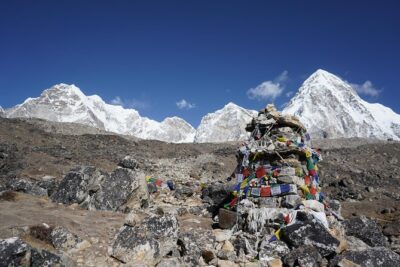
Everest Base Camp Trek with Helicopter Return from Gorakshep to Lukla
Read our review →
Browse the lists this tour appears in