
Reviewed · EVEREST BASE CAMP TREKS
Everest Base Camp Trek with Helicopter Return – 10 Days
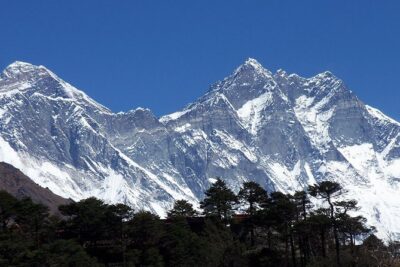
The big draw here is simple: you walk to Everest Base Camp and avoid walking the same trail back. After reaching Kala Patthar, you return toward Kathmandu by shared helicopter, turning a long return trek into a spectacular flight. The route also brings you close to Everest, Lhotse, Makalu, and Cho Oyu, though mountain views depend on weather.
I like the small group size, capped at 15, and the fact that meals, teahouse rooms, porters, permits, flights, and trekking gear are bundled into one price. I also like the built-in acclimatization day at Namche, plus the Everest View Hotel hike, which gives your body a needed pause without wasting a day.
The main caution is the pace. Ten days is efficient for this altitude, but not leisurely. You need moderate fitness, patience with basic mountain lodging, and flexibility for weather, especially around the Lukla flight and helicopter return.
Key points to know before booking
- The helicopter return saves several trekking days: You hike up the Khumbu route, then fly back after Kala Patthar instead of retracing the trail to Lukla.
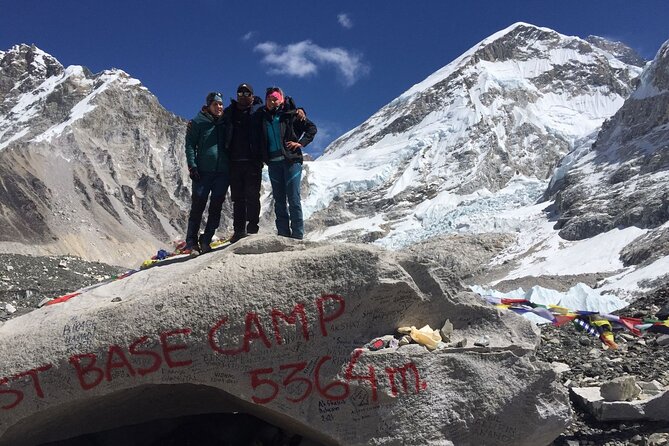
- The itinerary reaches 5,364-meter Everest Base Camp: The high point is physically demanding, and Kala Patthar adds another early, strenuous climb.
- Namche is your key acclimatization stop: The planned hike to Everest View Hotel helps you adjust before the route gets higher.
- The $3,400 price includes a lot: Domestic flights, shared helicopter transport, meals during the trek, lodging, guide, porter support, permits, airport transfers, and selected gear are included.
- The trip uses teahouse lodging: Expect simple guesthouses and mountain meals rather than resort comfort.
- Guide and porter care are a major part of the experience: Past trips have been led by guides including Dipak, Ram, and Ramesh, with porters assigned at a ratio of one for two trekkers.
Why the helicopter return changes the Everest Base Camp trek
A standard Everest Base Camp trek requires you to walk back down to Lukla after reaching the goal. That return is not merely a gentle stroll. Your legs are tired, your body has spent days at altitude, and the same route can feel long after the excitement of Base Camp has passed.
This 10-day plan cuts out that backtrack. You still get the classic approach through Lukla, Namche Bazaar, Tengboche, Dingboche, Lobuche, and Gorakshep. Then, after the Kala Patthar viewpoint, you return by group-sharing helicopter toward Kathmandu. The supplied details list the helicopter flight from Gorakshep to Kathmandu, while the day nine plan places the flight after the Kala Patthar hike, so confirm the exact pickup point and flight sequence before departure.
That shortcut is the reason this trip costs more than a basic trekking package. You are paying for transport that replaces several walking days, plus the planning needed to coordinate flights, permits, accommodation, food, porters, and a high-altitude route.
The helicopter ride is also a second highlight rather than just a practical transfer. You get a new view of the Khumbu peaks and valleys, assuming the weather allows the flight. Still, helicopter operations are weather dependent. Build flexibility into your wider Nepal plans, and do not schedule an important international connection too tightly after the return.
Other treks that start from Kathmandu:
- Everest Base Camp Trek – 14 Days
★ 5.0 · 1,499 reviews - Everest Base Camp Helicopter Tour landing at Everest View Hotel
★ 5.0 · 668 reviews - Everest Base Camp Trekking
★ 5.0 · 485 reviews
Day 1: Kathmandu arrival and a useful first reset
You arrive in Kathmandu, meet the local team at the airport, and transfer by private vehicle to your hotel. The rest of the day is free for rest or a first look at the city.
That free time matters. The trek begins early the next morning, and the route quickly moves into a demanding rhythm. Use the first day to sleep, check your gear, organize your bag, and ask the staff about the Lukla flight and the next morning’s meeting time.
Accommodation in Kathmandu includes breakfast. Lunch and dinner in the capital are not included, as are personal expenses such as phone calls, internet, laundry, bar bills, battery charging, hot showers, and drinks.
Day 2: Lukla to Phakding, your first mountain walking
The day starts with a transfer to Kathmandu’s domestic airport and a flight to Lukla. At Lukla, you meet the trekking crew and begin walking toward Phakding.
This opening section introduces the region gently. The trail passes through green surroundings with views toward Kusum Kanguru, and the route follows the Dudh Koshi River. Lukla is more than a flight stop: it is the gateway for the trek into the Everest region and the point where your walking itinerary begins.
The Lukla flight is short, listed at about 30 minutes, but weather can affect mountain aviation. The package includes the flight from Kathmandu to Lukla, along with airport transfers. Ask the operator how weather delays are handled before you set fixed plans for the days after the tour.
You sleep at a teahouse or lodge in Phakding. During the trek, breakfast, lunch, and dinner are included. Drinks are not included, including tea, coffee, hot chocolate, bottled water, boiled water, soft drinks, and beer.
Day 3: Namche Bazaar and the Hillary suspension bridge
After breakfast, the trail climbs through pine forest beside the Dudh Koshi River. You cross the Hillary suspension bridge and pass through the entrance area of Sagarmatha National Park, the protected area covering the Everest region and a UNESCO World Heritage Site.
The day ends at Namche Bazaar, the Sherpa capital and the main gateway to the high Khumbu. Namche is a practical stop as much as a memorable one. The route becomes higher and more demanding from here, so the town gives you a chance to settle into the altitude.
The itinerary includes time at the Sherpa Museum, which focuses on Sherpa culture and traditions. Admission is not included, so carry some local currency or ask your guide about the current fee.
This is one of the longer trekking days on paper, listed at up to 12 hours for the Namche portions. The exact walking time can vary, but you should expect a serious climb and a full day on foot. A porter carries shared luggage, with one porter assigned for every two trekkers, while you carry your own daypack.
More flights over the high peaks from Kathmandu:
- Everest Base Camp Helicopter Tour landing at Hotel Everest View
★ 5.0 · 218 reviews - Everest Base Camp Trek with Helicopter Return from Gorakshep to Lukla
★ 5.0 · 161 reviews - Everest Base Camp helicopter tour with landing
★ 5.0 · 61 reviews - Everest Base Camp Helicopter Tour with Hotel Everest View Landing
★ 5.0 · 52 reviews
Day 4: Namche acclimatization and Everest View Hotel
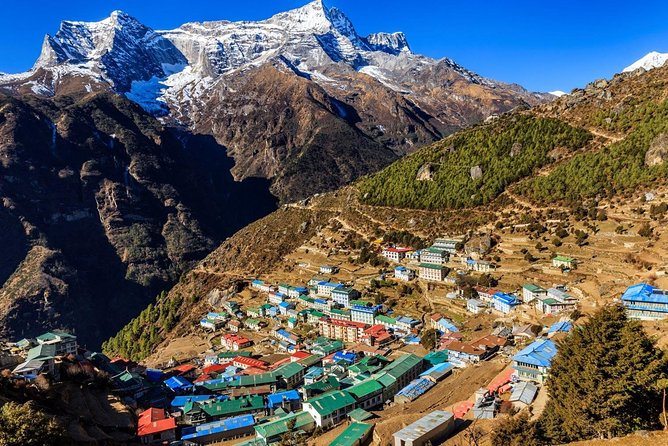
Day four is set aside for acclimatization in Namche. You hike toward the Everest View Hotel for mountain views, with Syangboche along the route.
This is one of the smartest parts of the plan. Acclimatization does not mean doing nothing. A controlled climb and return lets you gain height during the day while sleeping lower in Namche. That gives your body a better chance to adjust before Dingboche and the much higher villages ahead.
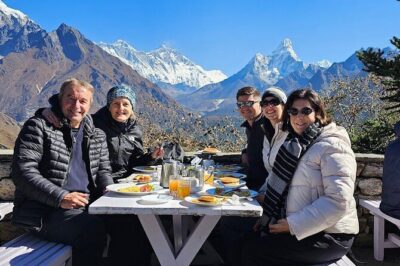
The view from the Everest View Hotel is a major reward, but do not treat it as a guaranteed Everest photograph. Cloud, haze, and changing mountain weather can hide the peaks. The point of this day is both visual and physical: you see more of the Khumbu and give yourself time to adapt.
Day 5: Tengboche and the region’s important monastery
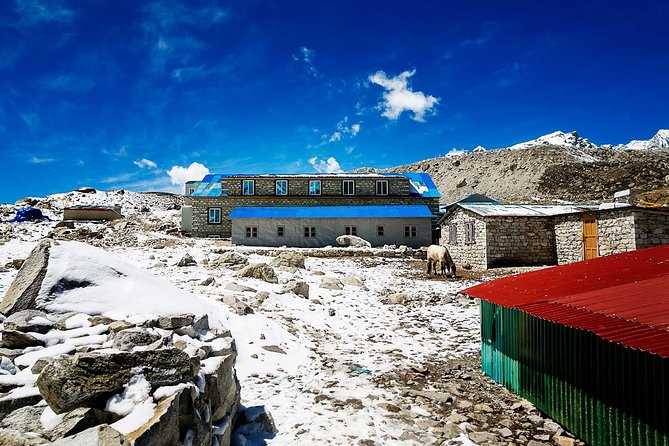
The trail leaves Namche and runs through a mix of smoother sections and repeated climbs and descents. You pass Kayangjuma and Sanasa, cross the Dudh Koshi near Punki Tenga, and then face a rougher climb toward Tengboche.
Tengboche is known for its large monastery, the biggest in the Khumbu region. The setting makes this stop special: mountain scenery, high-altitude settlement, and Buddhist culture come together in one place. The monastery is not simply a photo stop. It gives you a clearer sense of the communities that live along the route and the spiritual traditions tied to life in the Himalayas.
The walk is demanding because of the climb after Punki Tenga. If your knees dislike steep descents, use trekking poles. A walking pole is included in the equipment supplied for the trip, along with a down jacket, sleeping bag, duffle bag, and trekking map.
Day 6: Dingboche and the Imja Valley
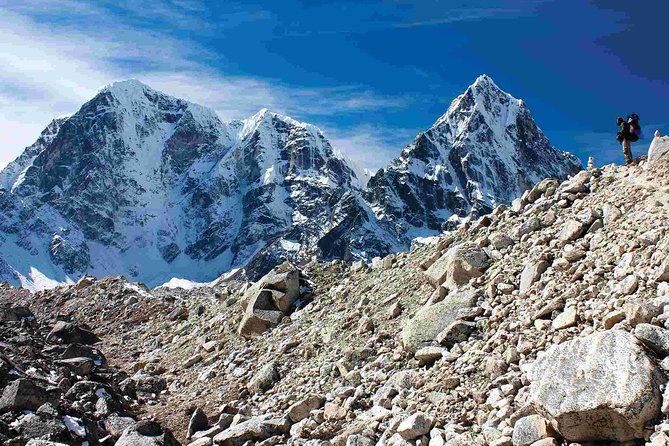
The route continues through upper Khumbu villages, passing chortens, Mani walls, and Pangboche at about 3,900 meters. You cross the Imja Khola and enter the Imja Valley before reaching Dingboche.
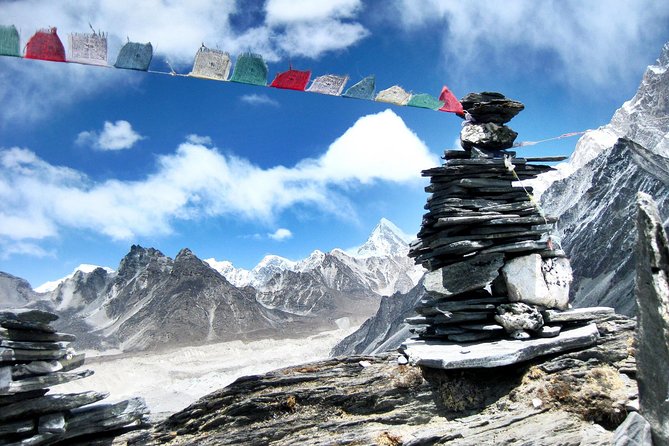
The religious details along this section are worth noticing. Chortens and Mani walls are part of the cultural setting of the trek, not just decoration beside the path. Your guide can help explain what you are seeing and how to move respectfully around these sites.
Dingboche is another important acclimatization point. The itinerary lists it as a small village with a stop for adjustment to altitude. By this stage, the air is thinner, the walking feels more deliberate, and simple tasks can take longer.
You should not measure your progress only by distance. At high altitude, a short uphill section can feel much harder than the same climb at home. Walk steadily, drink according to your guide’s advice, and tell the guide early if you feel unwell.
Day 7: Duglha, Chola Lake, and the approach to Lobuche
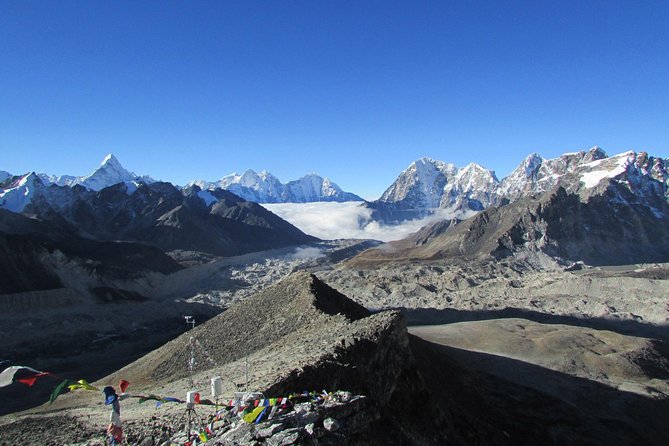
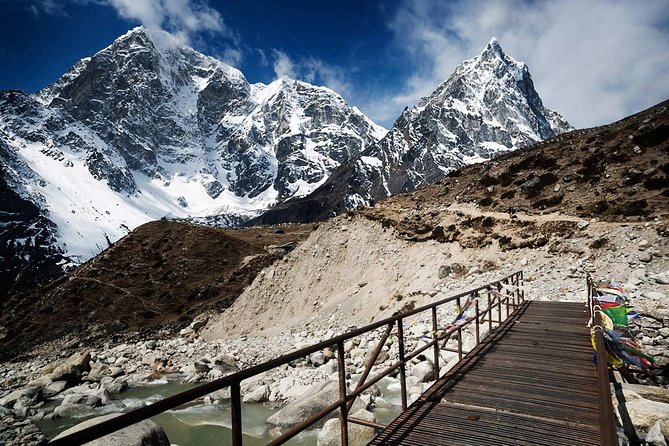
The trail climbs through the Khumbu Khola Valley toward Duglha. Along the way, you pass Dusa and Phulung Karpo, reach Chola Lake, cross a small bridge, and continue climbing.
This is one of the more serious days because the route keeps gaining height. The scenery becomes harsher and more open as you move closer to the glacier country. Lobuche Peak lies near the Khumbu Glacier and has east and west summits, adding another dramatic mountain presence to the route.
The supplied itinerary does not list a separate overnight stop for every section of this day, so confirm the exact lodging arrangement and walking schedule with Breakfree Adventures before setting out. The broad route is clear: you are moving toward Lobuche and the final approach to Gorakshep.
At this point, basic accommodation is part of the deal. Teahouses are useful and practical, but they are not hotel rooms in the usual sense. Bring realistic expectations about shared facilities, limited hot water, charging costs, and paid drinks.
Day 8: Everest Base Camp from Gorakshep
From the high settlement of Gorakshep, you walk toward Everest Base Camp. The route has repeated ups and downs, and the walk to Base Camp takes about three hours according to the itinerary.
This is the emotional center of the trip. At Base Camp, you see the Khumbu Glacier and icefall, the changing gateway used by climbers preparing for Everest. The visit listed at Base Camp is about 30 minutes, which is enough for photographs and a pause, but not a long rest.
Everest Base Camp is the starting area for expeditions up Mount Everest, while Gorakshep is the final settlement on this trekking route. You return to Gorakshep after the visit and spend the night there.
The altitude is the real challenge. The route is often described as the highest trekking route in the world, and that description should be taken seriously. You need moderate physical fitness, but fitness alone does not guarantee an easy time at altitude. Follow the guide’s pace, report symptoms, and avoid treating the final approach as a race.
Day 9: Kala Patthar and the return flight
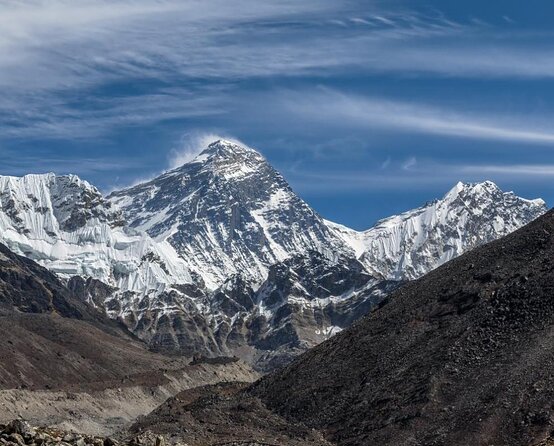
The final trekking morning takes you to Kala Patthar, a famous viewpoint with panoramic views across the Khumbu mountains, including Everest.
Kala Patthar is a worthwhile addition because Base Camp itself does not always give the broadest view of Everest. From the viewpoint, you have a better chance of seeing the mountain group from a wider angle, including the peaks surrounding the route. Again, weather controls the view, so keep your expectations flexible.
After Kala Patthar, you return by shared helicopter toward Kathmandu. The flight is the trip’s practical shortcut and its most unusual feature. It replaces the long descent toward Lukla and gives you an aerial look at the route you have just walked.
A group-sharing flight means the helicopter is not private to your party. The maximum group size for the full activity is 15, and the flight arrangement may depend on operational conditions. Confirm how many passengers are expected on your departure and what happens if weather prevents the flight that day.
Day 10: Kathmandu airport transfer
After breakfast, a private vehicle transfers you to the international airport for your flight home or onward travel.
The schedule is tidy, but I would avoid placing a nonrefundable connection too close to the helicopter return. The tour includes airport transfers, yet mountain weather can disrupt both the Lukla flight and the helicopter flight. The cancellation terms allow a full refund if the activity is canceled because of poor weather, but a weather delay can still affect your separate travel plans.
What the $3,400 price really covers
At $3,400 per person, this is not a budget trek. The price makes more sense once you count the helicopter return and the long list of included services:
- Kathmandu hotel accommodation with breakfast
- Private airport pickup and drop-off
- Flight from Kathmandu to Lukla
- Shared helicopter flight from the Everest region to Kathmandu
- Teahouse or lodge accommodation during the trek
- Breakfast, lunch, and dinner during the trek
- English-speaking trekking guide
- Porters, with one porter for every two trekkers
- Porter transportation, food, accommodation, salary, equipment, and insurance
- Everest trekking permit and TIMS card
- Duffle bag, down jacket, sleeping bag, and walking pole
- Trekking map and trip achievement certificate
- Government taxes, VAT, office service charge, landing fees, and facility fees
You still pay for Nepal’s entry visa, meals in Kathmandu, drinks, personal expenses, and tips. Tipping is expected but not mandatory. Bring accurate US dollar cash and two passport photographs for a faster visa process, according to the supplied instructions.
The strongest value comes if you want a guided, organized trek and place a high value on returning by air. If you already own your gear, prefer a longer schedule, and do not mind walking back to Lukla, a slower trekking plan may suit you better.
Guides, porters, and the human side of the trek
The guide is central to this experience. The company has used guides named Dipak, Ram, Ramesh Sapkota, and assistant guide Rabi on past departures. Your assigned guide may be different, but these names give you a sense of the local team involved.
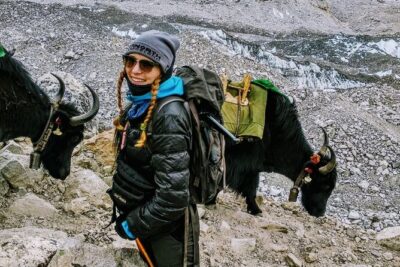
The most useful guide is not simply someone who points out mountains. You need someone who watches your pace, helps with altitude concerns, explains the route, and handles the practical details when flights or lodging need attention. Porters also shape the experience. With one porter for two trekkers, pack carefully and keep your personal daypack light.
Communication before arrival has been a strong part of the service, with prompt contact from staff member Binayak mentioned in the supplied trip feedback. That matters for a trek with multiple flights, permits, gear handoffs, and weather-sensitive transfers.
Who should book this 10-day version
I would recommend this trip to you if you want the classic Everest Base Camp route but have limited time, prefer a package with most costs arranged in advance, and like the idea of replacing the return walk with a helicopter flight.
It also suits people who want a small-group setting rather than a large expedition. The group limit of 15 is not a private trek, but it is small enough for the guide to keep track of the party more easily.
I would think twice if you want a relaxed pace, need extra acclimatization days, dislike simple teahouse lodging, or feel uncomfortable with weather-dependent aviation. Ten days is a brisk schedule for a high-altitude trek, even with the planned acclimatization stops.
The operator offers free cancellation up to 24 hours before the start time for a full refund. Changes made within 24 hours are not accepted, and poor weather or failure to meet the minimum group size can lead to a different date, another experience, or a refund.
Should you book this Everest trek?
Book it if the helicopter return is central to your dream and you want one company to handle guides, porters, meals, lodging, permits, flights, gear, and transfers. The route includes the essential Everest Base Camp stops, a proper Namche acclimatization day, Tengboche monastery, Kala Patthar, and the dramatic high-altitude approach through Gorakshep.
Do not book it simply because the schedule looks short and tidy. You still need to be ready for long walking days, thin air, basic lodges, paid drinks, and weather delays. For a fit and prepared trekker who values time and convenience, the $3,400 package offers a practical way to reach Base Camp and return without retracing the entire route.
FAQ
How long is the Everest Base Camp trek with helicopter return?
The experience lasts approximately 10 days, including arrival and departure days in Kathmandu.
What is the starting point of the trek?
The walking route begins in Lukla after a flight from Kathmandu. Lukla is the gateway to the Everest region.
Is the flight from Kathmandu to Lukla included?
Yes. The package includes the flight from Kathmandu to Lukla.
Is the helicopter flight back to Kathmandu included?
Yes. A group-sharing helicopter flight from the Everest region to Kathmandu is included. The supplied details identify the flight as departing from Gorakshep, with the day nine plan arranging it after the Kala Patthar hike.
Does the trek visit Everest Base Camp?
Yes. Day eight includes a visit to Everest Base Camp, with views of the Khumbu Glacier and icefall.
Does the itinerary include Kala Patthar?
Yes. Day nine includes a hike to Kala Patthar, a viewpoint known for wide views of Everest and the surrounding Khumbu mountains.
Are meals included?
Breakfast, lunch, and dinner are included during the trek. Breakfast is included with the Kathmandu accommodation, but lunch and dinner in Kathmandu are not included.
What equipment is provided?
The package includes a duffle bag, down jacket, sleeping bag, walking pole, and trekking map.
What happens if bad weather cancels the experience?
If poor weather causes the experience to be canceled, you can choose a different date or receive a full refund. Weather can also affect the Lukla and helicopter flights, so keep your wider Nepal schedule flexible.
More Hiking & Trekking in Kathmandu
- Nagarkot Sunrise View and Day Hiking from Kathmandu
★ 5.0 · 471 reviews - Annapurna Circuit Trek with Tilicho Lake
★ 5.0 · 368 reviews - Everest Base Camp Trekking – 13 Day
★ 5.0 · 365 reviews - Everest Base Camp Trek -14 Days
★ 5.0 · 321 reviews
Just added in Kathmandu
- Traditional Momo Making Class★ 5.0 · 10 reviews
- Women Empowerment Project(Nepali cooking class & jewelry workshop★ 5.0 · 15 reviews
- Kathmandu 2 Nights 3 Days Chitwan Jungle Safari Tour★ 5.0 · 9 reviews
- Walking tour of Kathmandu with awesome local guides★ 5.0 · 4 reviews
- Wildlife Adventure in Chitwan Nepal★ 4.0 · 4 reviews
- Kathmandu to Pokhara Premium sofa bus ticket★ 4.0 · 17 reviews
- Walking tour of real Kathmandu through back streets.★ 5.0 · 3 reviews
- Regular Yoga for all levels of practitioners in Kathmandu★ 5.0 · 4 reviews
Everest Base Camp Treks, compared.
Everest Base Camp Helicopter Tour landing at Everest View Hotel
Read our review →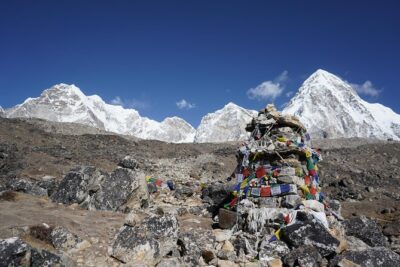
Everest Base Camp Trek with Helicopter Return from Gorakshep to Lukla
Read our review →
Browse the lists this tour appears in