
Reviewed · EVEREST BASE CAMP TREKS
Everest Base Camp Trek with Helicopter Return to Lukla – 10 Days
The clever part of this 10-day Everest Base Camp trek comes at the end: after walking up to Gorakshep and Kala Patthar, you return by helicopter instead of retracing the entire route. That saves time, cuts out several days of downhill walking, and gives you a fine aerial look at the trail you have just conquered.
I like the mix of hard trekking and useful comfort. You get a licensed English-speaking guide, standard guesthouses, permits, a duffel bag, sleeping bag, first-aid kit, and domestic flights arranged for you. I also like the Kathmandu farewell dinner with Nepali food and traditional dance. The main caution is altitude: this is still a serious trek, and the 10-day schedule leaves less room for a slow adjustment than longer itineraries.
Key points at a glance
- Helicopter return from Gorakshep: Fly over the Khumbu region after reaching the Everest Base Camp area, then land at Lukla.
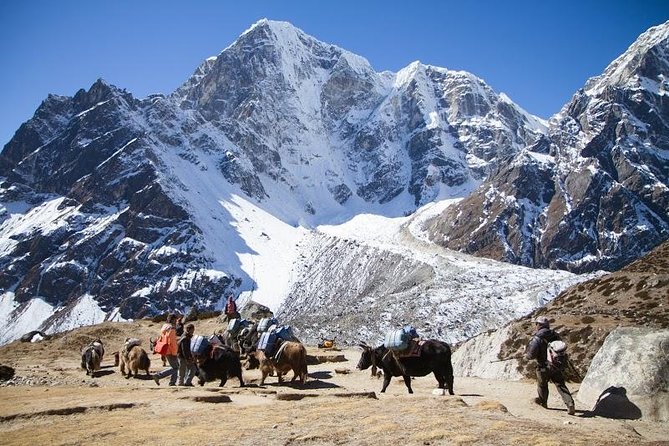
- Classic Sherpa route: Walk through Lukla, Namche Bazaar, Tengboche, Dingboche, and Gorakshep.
- Kala Patthar sunrise: Add the famous high viewpoint for close views of Everest and surrounding peaks.
- Small maximum group: The advertised group limit is 15 people, a useful size for a mountain trek.
- Practical inclusions: Permits, private airport transfers, Kathmandu hotel, flights, guesthouses, guide, and some trekking equipment are covered.
- Guide support matters: Guides including Ram, Rupak, Dambar, and Naren have been praised for patience, organization, encouragement, and watching group members’ condition.
Why the helicopter return changes the trek
A normal Everest Base Camp route usually requires you to walk back down after reaching the high point. This itinerary replaces that return with a helicopter flight from Gorakshep to Lukla. It is not just a flashy extra. It gives your knees a break and makes a 10-day schedule possible.
The flight also changes the way you see the Khumbu. From the trail, you notice stone walls, suspension bridges, forests, prayer flags, and individual villages. From above, you can connect those pieces into one long route through the mountains. The ride is weather dependent, so keep some flexibility in your plans.
The helicopter does not remove the hard part. You still need to reach Gorakshep on foot, spend time at high altitude, and make the early trip to Kala Patthar if conditions and energy allow. Think of the flight as a smart exit, not a shortcut to Base Camp.
Other treks that start from Kathmandu:
- Everest Base Camp Trek – 14 Days
★ 5.0 · 1,499 reviews - Everest Base Camp Helicopter Tour landing at Everest View Hotel
★ 5.0 · 668 reviews - Everest Base Camp Trekking
★ 5.0 · 485 reviews
Day 1: Kathmandu arrival and a practical start
Your trip begins with pickup at Tribhuvan International Airport in Kathmandu, listed for 9:00 a.m. A private vehicle takes you to a three-star hotel, where breakfast is included. This first stage is useful because trekking permits, flight arrangements, and gear are easier to manage with local support.
Kathmandu gives you a quick taste of Nepal before the mountains take over. The included farewell dinner later in the trip provides the fuller cultural moment, with Nepali cuisine and traditional dance.
Lunch and dinner in Kathmandu are not included, so budget for those separately. The same applies to drinks, snacks, laundry, and personal purchases. The hotel is described as three-star, so expect a practical base rather than a luxury property.
Day 2: Flight to Lukla and the first trail
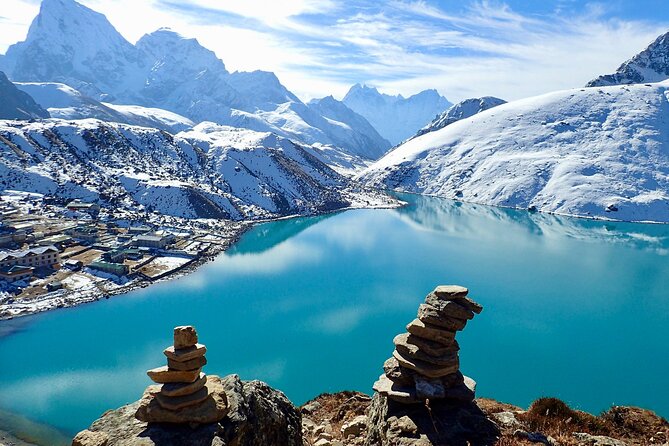
The mountain section begins with a domestic flight from Kathmandu or Manthali to Lukla. The departure point can depend on the operating schedule, so confirm the final arrangement before you go. Lukla is the gateway to the trek and the place where the pace changes from city travel to walking.
From Lukla, you follow the route through Sherpa villages, forest, and sections beside the Dudh Koshi River. At this point, the altitude is lower than later in the trip, but you are already gaining a feel for the daily rhythm: walk, stop, eat, rest, and repeat.
The first day is also a good test of your equipment. Keep rain protection, warm layers, water, and basic medication easy to reach. Your main luggage support depends on the porter option, which is not included, so ask exactly how your duffel will be handled before departure.
Namche Bazaar: the first big pause
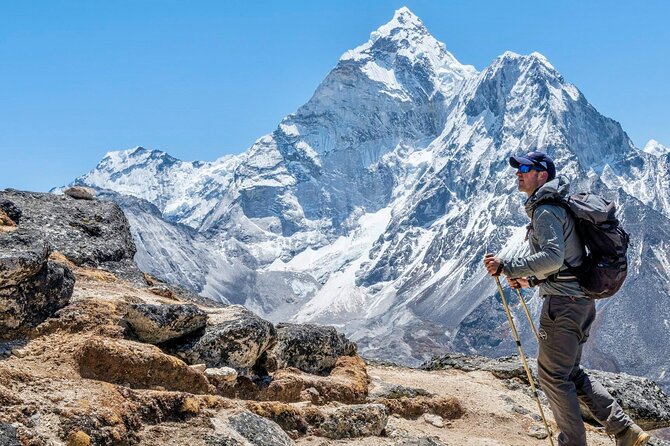
Namche Bazaar is one of the most important stops on the route. It is a Sherpa trading center and a natural place to pause before the trail climbs higher. The town is known for its curved mountain setting, busy walking routes, and tea houses.
The practical value of Namche is acclimatization. You may have an easier day here or a slower local walk before moving upward. Do not treat that pause as wasted time. At altitude, rest is part of the itinerary, not a reward for finishing it.
The route can feel demanding even before the highest villages. Your guide’s job is not only to point out sights. A good guide watches pace, checks how you are coping, and makes sensible decisions when someone needs a break. Ram has been especially praised for patience and flexibility, while guides such as Rupak and Dambar have also been recognized for keeping groups organized and encouraged. Your assigned guide may differ, but that level of support is worth confirming.
More flights over the high peaks from Kathmandu:
- Everest Base Camp Helicopter Tour landing at Hotel Everest View
★ 5.0 · 218 reviews - Everest Base Camp helicopter tour with landing
★ 5.0 · 61 reviews - Everest Base Camp Helicopter Tour with Hotel Everest View Landing
★ 5.0 · 52 reviews - Guaranteed Landing at Everest Base Camp Kalapathar by Helicopter
★ 5.0 · 38 reviews
Tengboche and the cultural side of the trail
Tengboche brings one of the route’s key cultural stops: its monastery. The setting combines mountain views with Sherpa Buddhist traditions, giving the trek more substance than a simple march toward a famous peak.
You will also pass through forests and smaller settlements as the route continues upward. These sections are valuable because they show how the mountain communities connect homes, monasteries, trails, and local trade. The cultural details are not a separate museum visit. They are woven into the walking days.
Guesthouses are standard rather than polished resorts. You should expect a basic place to sleep and eat, with comfort becoming more limited as you climb. The package includes the lodging, but not meals during the trek. Set aside money for breakfast, lunch, dinner, snacks, and drinks along the route.
Dingboche and the real altitude test
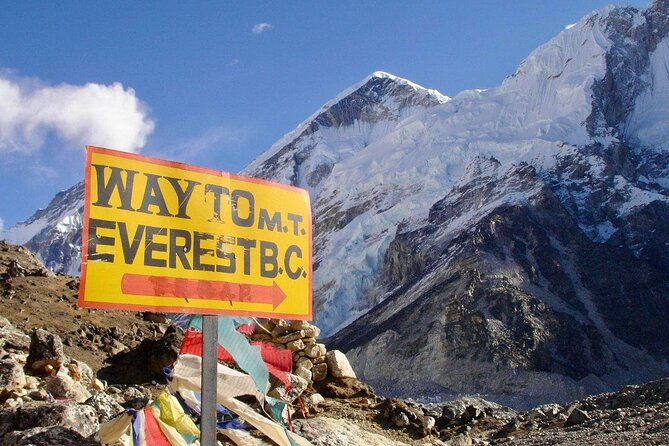
Dingboche is where the altitude becomes a more serious factor. The itinerary includes acclimatization here, which is one of its most important features. You need time for your body to adjust before going higher toward Lobuche, Gorakshep, and Base Camp.
The pace should be slow. One useful lesson from the guide feedback is the repeated value of taking rest and moving gradually. You may feel fit at sea level and still find high-altitude walking surprisingly tiring. Breathing, sleep, appetite, and energy can all change.
A moderate fitness level is required, but that phrase should not fool you into treating the trek as easy. You will walk for multiple days at increasing altitude, often on uneven mountain paths. Previous feedback includes praise for guides who supported people across a wide age range and adapted to different abilities. That is reassuring, but it does not replace training or proper insurance.
Gorakshep and Everest Base Camp
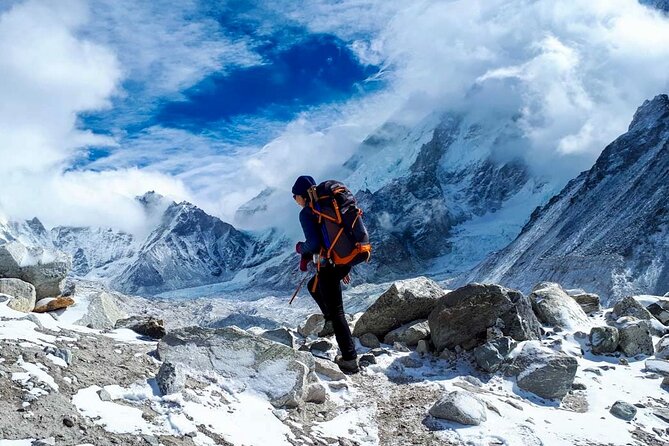
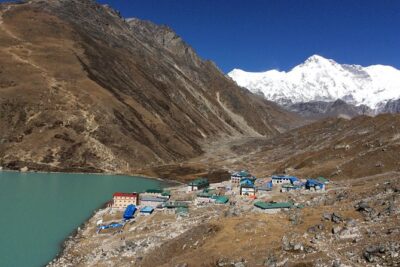
Gorakshep is the high settlement used as a base for the final approach. Reaching it is a major milestone, but it is also the point where cold, thin air, tired legs, and basic accommodation can make the trek feel most demanding.
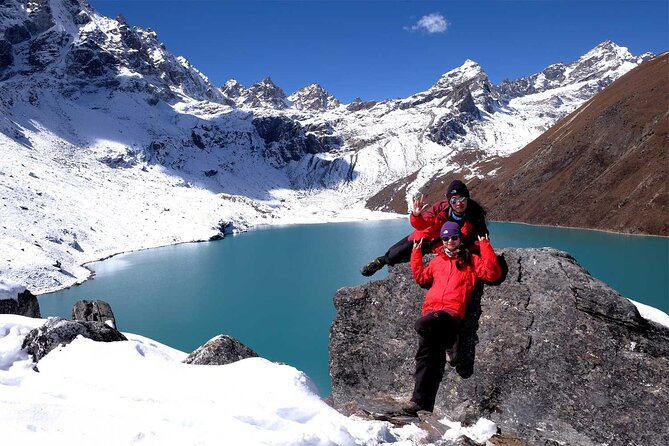
From Gorakshep, you walk toward Everest Base Camp. The destination is famous, but do not expect a single grand viewing platform with a clear, front-on view of Mount Everest. The experience is about standing in the high Khumbu near the climbing route, surrounded by glacial terrain and enormous peaks.
Conditions can affect what you see. Cloud, wind, and changing mountain weather are part of the trip. Your guide can help decide how to manage the walk, but no operator can guarantee clear views.
Kala Patthar for the sunrise view
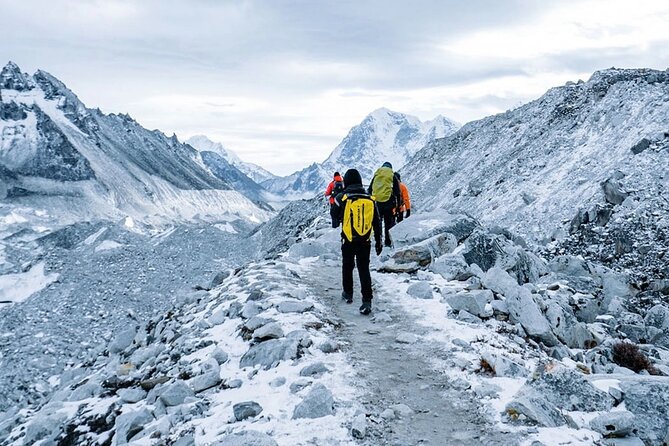
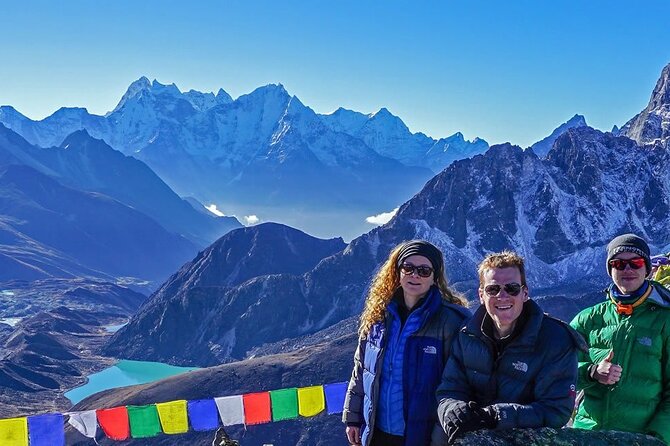
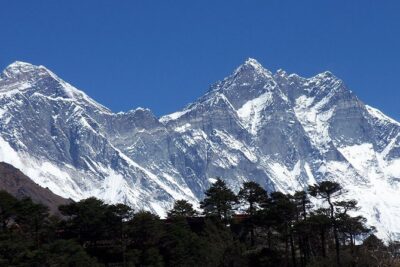
The trip also includes a hike to Kala Patthar, the high viewpoint used for broad Himalayan views and sunrise. This is often the visual high point of the route. You gain a stronger view of Everest and the surrounding peaks than you may get at Base Camp itself.
The early start can be cold and tiring, especially after reaching Gorakshep. Still, this is the morning I would protect in your schedule. Carry warm layers, gloves, and a headlamp if your guide advises it. The exact timing is not provided, so ask for the plan before the high days begin.
You should also understand the tradeoff. Kala Patthar is not a casual viewpoint. At this stage you are already tired and high above sea level. If your body is struggling, Base Camp may already be a major achievement, and your guide should help you make a safe choice.
The helicopter from Gorakshep to Lukla
After the high-altitude walking, the helicopter return offers a dramatic change of pace. You leave Gorakshep by air and fly toward Lukla, with views over the route, valleys, and peaks you crossed on foot.
This is the feature that gives the itinerary its distinct character. You get the satisfaction of a classic trek without spending several more days retracing the path. It also lets you return to Kathmandu sooner than a full walking return would allow.
Weather is the key uncertainty. The experience requires good conditions, and a flight may be canceled or rescheduled if the weather is poor. Build patience into your travel plans, especially if you have an international flight immediately after the trek. The package includes domestic flights from Kathmandu or Manthali to Lukla round trip, but the helicopter is listed separately as the return from Gorakshep to Lukla.
What the $799 price really covers
At $799 per person, the package offers reasonable value if you want logistics bundled together. It includes private arrival and departure transfers, a three-star Kathmandu hotel with breakfast, permits for Sagarmatha National Park, TIMS, and the Pasang Lhamu entry, domestic flights, guesthouses, a guide, trekking gear, a medical kit, official fees, and the helicopter return.
That list removes many of the arrangements that can cause stress in Nepal. You do not have to organize the permits yourself, and you have a local guide for route support and communication.
The price does not include international flights, a Nepal visa, trekking meals, Kathmandu lunches and dinners, insurance, porter service, tips, snacks, drinks, or laundry. Porter service is optional, with one porter recommended for two trekkers. The biggest financial must is insurance that covers medical treatment and high-altitude evacuation. Do not treat that as a minor add-on.
The average booking lead time is 127 days, which suggests you should not leave planning until the last minute. This is especially sensible for a trip involving limited mountain flights and weather-sensitive helicopter travel.
Who should book this 10-day route
I would recommend it to someone who wants the classic Everest Base Camp experience but has limited time or does not want to walk all the way back down. It also suits people who like having permits, transfers, flights, lodging, and a guide handled in one package.
It is a good match for fit first-time Himalayan trekkers who understand that the comfort level is basic and the altitude is serious. It may also suit a small group of friends, since the maximum group size is 15 and the guide team can help manage different walking speeds.
I would be more cautious if you want a leisurely acclimatization schedule, private rooms, or a luxury trek from start to finish. The helicopter adds a touch of comfort, but the guesthouses and high-altitude walking remain straightforward and physically demanding.
The cancellation terms are friendly: you can receive a full refund if you cancel at least 24 hours before the start time. Changes made inside that window are not accepted, and poor weather may lead to a different date or a full refund.
Should you book it?
Book this trek if time, logistics, and the helicopter return matter as much to you as the walking itself. You will see the major stops, reach Everest Base Camp, aim for Kala Patthar, and finish with a memorable flight instead of a long descent.
Before paying, confirm the exact guide, flight departure point, porter arrangements, meal costs, acclimatization schedule, and weather plan. If you want a slower and gentler high-altitude experience, choose a longer itinerary. If you want a concentrated Everest adventure with strong logistical support, this 10-day route makes a sensible case for itself.
FAQ
Where does the Everest Base Camp trek begin?
The experience begins at Tribhuvan International Airport in Kathmandu, Nepal. The listed start time is 9:00 a.m., with a private vehicle provided for arrival transfer.
How long does the experience last?
The trek lasts approximately 10 days.
Is the helicopter ride included?
Yes. The package includes a helicopter ride from Gorakshep to Lukla.
Which major places does the trek visit?
The route includes Lukla, Namche Bazaar, Tengboche, Dingboche, Gorakshep, Everest Base Camp, and Kala Patthar.
Are meals included?
Breakfast is included with the Kathmandu hotel stay. Lunch and dinner in Kathmandu, plus all meals during the trek, are not included.
Is porter service included?
No. Porter service is optional. One porter for two trekkers is recommended.
What fitness level is required?
A moderate physical fitness level is required. You should also have insurance covering medical care and high-altitude evacuation.
What happens if bad weather stops the helicopter or flights?
The experience requires good weather. If it is canceled because of poor conditions, you will be offered a different date or a full refund.
More Hiking & Trekking in Kathmandu
- Nagarkot Sunrise View and Day Hiking from Kathmandu
★ 5.0 · 471 reviews - Annapurna Circuit Trek with Tilicho Lake
★ 5.0 · 368 reviews - Everest Base Camp Trekking – 13 Day
★ 5.0 · 365 reviews - Everest Base Camp Trek -14 Days
★ 5.0 · 321 reviews
Just added in Kathmandu
- Kathmandu to Chitwan Tour by Tourist Bus – A Convenient and Affordable Way★ 4.0 · 4 reviews
- Changunarayan Hill to Telkot Hike Near Kathmandu Day Tour★ 5.0 · 6 reviews
- Mt Everest Base CampTrek | Budget Package★ 5.0 · 4 reviews
- Chitwan Jungle Safari 3-Day Tour★ 5.0 · 9 reviews
- Chandragiri Hill Station Tour by Cable Car★ 5.0 · 4 reviews
- Chandragiri Hills cable car day trip, private car with driver from Kathmandu★ 5.0 · 8 reviews
- Chandragiri to Taudaha Nature Day Hiking from Kathmandu★ 5.0 · 13 reviews
- Chandragiri Cable Car & Monkey Temple Private Guided Day Tour★ 5.0 · 5 reviews
Everest Base Camp Treks, compared.
Everest Base Camp Helicopter Tour landing at Everest View Hotel
Read our review →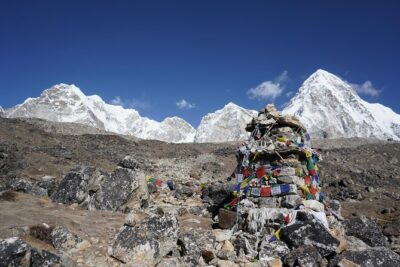
Browse the lists this tour appears in