
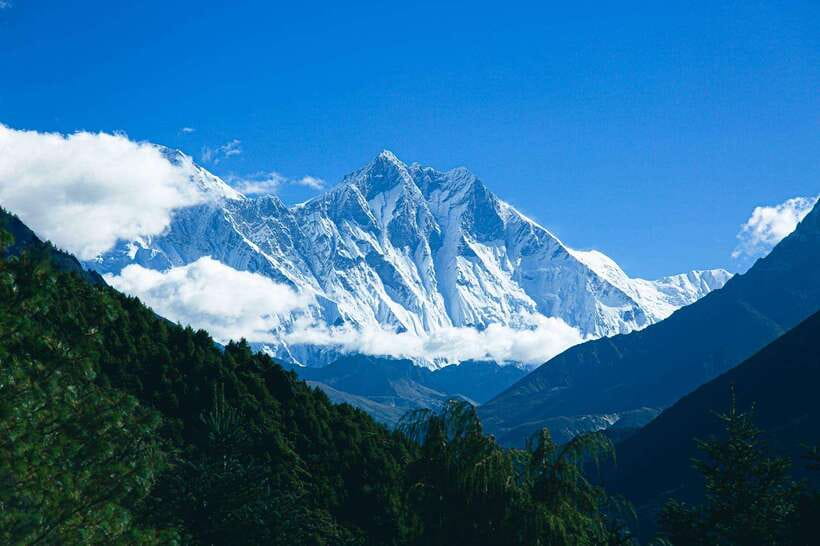
Reviewed · EVEREST BASE CAMP TREKS
From Kathmandu: Guided Everest Base Camp Trek
The best part of this 12-day trek is the steady change in scenery, from the first mountain paths near Lukla to the stark glacial world around Everest Base Camp. You’ll cross suspension bridges, pass Sherpa villages, visit Tengboche Monastery, and finish with big views of Everest, Lhotse, Nuptse, and Ama Dablam.
I like the built-in acclimatization days in Namche Bazaar and Dingboche, and I like the personal care reported from guides Saran and Prayas. Saran has helped tired hikers with heavy packs, checked on their condition, and taken photos along the way. The main caution is simple: this is a hard high-altitude trek, not a casual mountain walk.
- Everest Base Camp at 5,365 meters: Reach the famous foot of the world’s highest peak after trekking through glacial terrain.
- Namche and Tengboche: Spend time in the Khumbu’s key Sherpa center and visit a Buddhist monastery with wide mountain views.
- Two acclimatization days: Pause in Namche and Dingboche before climbing higher.
- Kala Patthar at 5,545 meters: Add a demanding early-day climb for close views of Everest and the surrounding peaks.
- Small-group option: Trek with an English-speaking guide, with Saran and Prayas named in the booking feedback.
- Flexible package choices: Round-trip Lukla flights and full-board food are included only when the selected option covers them.
The 12-day route from Lukla to Everest Base Camp
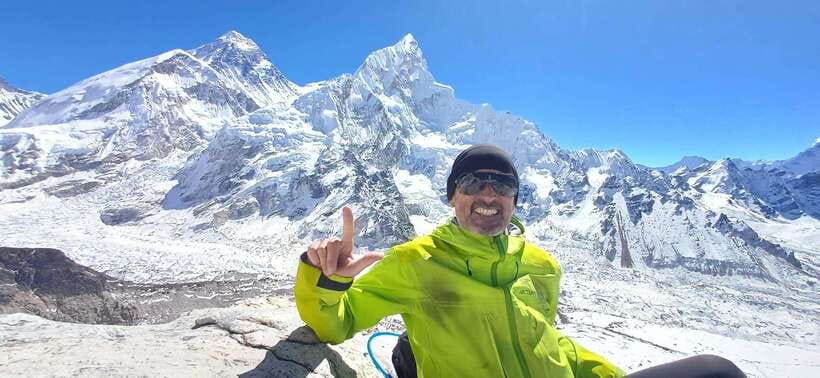
This itinerary packs the standard Everest Base Camp route into 12 days. That makes it efficient, but it also means you need to respect the pace, the altitude, and the long walking days.
Your trip begins with hotel pickup in Kathmandu and a flight to Lukla, if that option is selected. Lukla is the trailhead for the trek, and from there you walk to Phakding at 2,610 meters. This first day is relatively short by trekking standards, giving you a gentle start after the flight.
The route then reaches Namche Bazaar on Day 2, at 3,440 meters. The path includes mountain scenery, river crossings, and uphill sections. Namche is more than a place to sleep. It is the main trading and supply center of the Khumbu region, with a strong Sherpa presence and time to look at local crafts or simply get your bearings.
Day 3 is set aside for acclimatization in Namche. I consider this one of the most important parts of the schedule. You gain altitude gradually rather than racing toward Base Camp, and you have time to adjust before the trail climbs higher.
Namche Bazaar gives the trek its human side
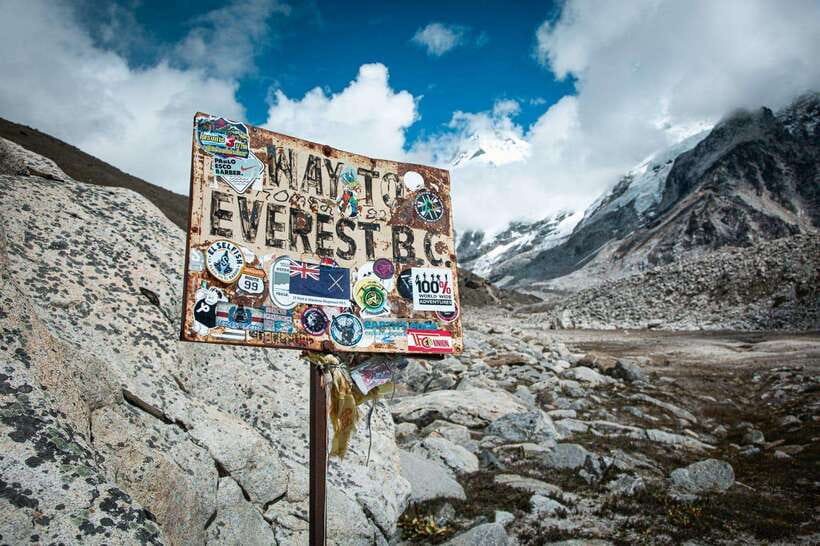
Namche is where the trek becomes more than a long walk toward a famous mountain. You’ll see the practical side of life in the Everest region, with local shops, Sherpa culture, and mountain views surrounding the town.
The schedule gives you a full day here, but that does not mean a day of complete inactivity. The point is to spend time at altitude and make a short outing if your guide recommends it. Your guide can also help you manage the pace and watch for signs that your body is struggling.
The village is one of the strongest cultural stops on the route. You may see traditional clothing, local Buddhist customs, and the daily rhythm of a community that serves both residents and trekkers. The experience is not only about photographing Everest. It gives you a better sense of the people who live in this high region.
Other treks that start from Kathmandu:
- Everest Base Camp Trek – 14 Days
★ 5.0 · 1,499 reviews - Everest Base Camp Helicopter Tour landing at Everest View Hotel
★ 5.0 · 668 reviews - Everest Base Camp Trekking
★ 5.0 · 485 reviews
Tengboche brings mountain views and Buddhist worship
On Day 4, you walk to Tyangboche, also commonly written as Tengboche, at about 3,800 meters. The monastery is one of the route’s major cultural highlights, and the setting is a fine reward after the climb.
The schedule includes time to visit the Tengboche Buddhist Monastery and observe prayer practices and ceremonies when timing allows. This is a good place to slow down. The monastery adds a spiritual dimension to the trek, and the surrounding peaks make it one of the most memorable stops.
The walk is not easy, since the trail continues to gain height and can include steep sections. Still, the combination of prayer spaces, Sherpa culture, and mountain scenery makes Tengboche feel different from a simple overnight stop.
Dingboche provides a needed pause at 4,400 meters
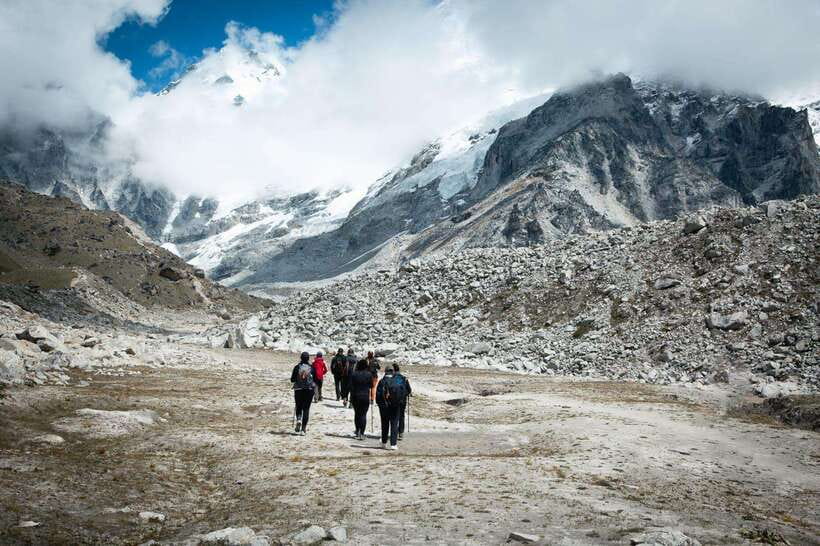
Day 5 takes you to Dingboche, at approximately 4,400 meters. The air is thinner here, and the route begins to feel more serious. You’ll walk through increasingly rugged surroundings, with fewer trees and more open mountain terrain.
Day 6 is another acclimatization day. I like this pause because it breaks up the climb before the trek reaches Lobuche and Gorak Shep. It also gives you a chance to judge your energy level honestly. Feeling tired is normal, but feeling unwell should be taken seriously.
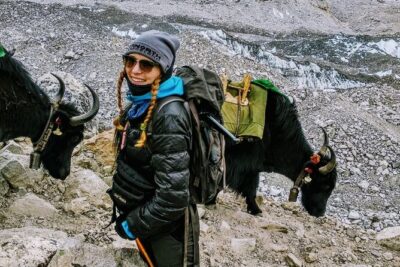
The guide’s role matters most on days like this. Saran received especially strong praise for checking on health, carrying a heavy pack when a participant was struggling, and helping a solo woman reach Base Camp. That does not mean you should expect your guide to carry your equipment, but it does show the value of having someone attentive on a demanding route.
Lobuche and Gorak Shep mark the high point of the trek
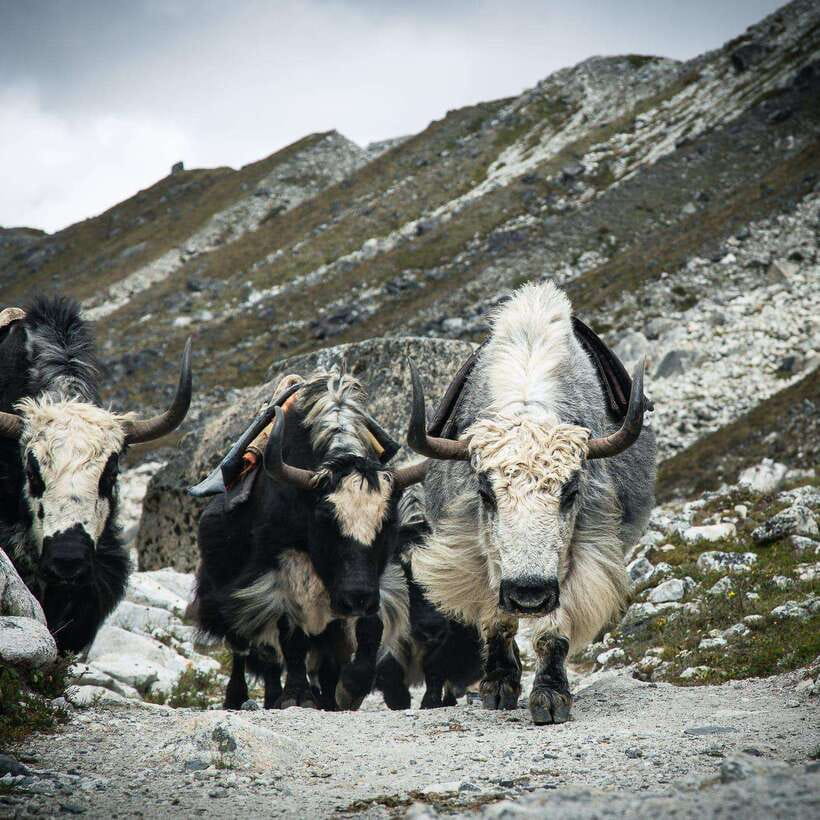
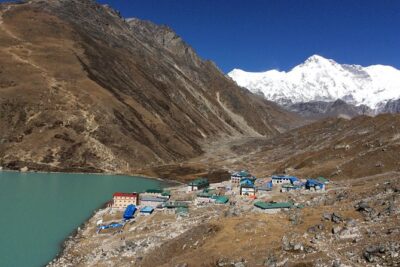
Day 7 leads to Lobuche at about 4,900 meters. By now, the scenery is largely rocky, cold, and exposed. The trail becomes less about villages and more about glacial valleys, high ridges, and the scale of the surrounding peaks.
On Day 8, you continue to Gorak Shep at roughly 5,150 meters before walking onward to Everest Base Camp at about 5,365 meters. Gorak Shep is the final settlement on this itinerary before Base Camp, so this is a major day in both distance and altitude.
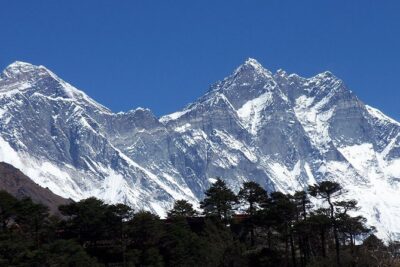
Everest Base Camp itself is not a luxury destination. The attraction is the achievement and the setting, with views toward the Khumbu Icefall and nearby glaciers. You’ll stand at the foot of the mountain region that has drawn climbers from around the world, surrounded by peaks including Everest, Lhotse, Nuptse, and Ama Dablam.
The route here can feel long because of the altitude. Keep your pace steady, listen to your guide, and do not confuse the excitement of nearing Base Camp with a reason to push through serious discomfort.
A few more things to do in Kathmandu worth a look
- Nagarkot Sunrise View and Day Hiking from Kathmandu
★ 5.0 · 471 reviews - Annapurna Circuit Trek with Tilicho Lake
★ 5.0 · 368 reviews - Everest Base Camp Trekking – 13 Day
★ 5.0 · 365 reviews - Everest Base Camp Trek -14 Days
★ 5.0 · 321 reviews
Kala Patthar supplies the classic Everest view
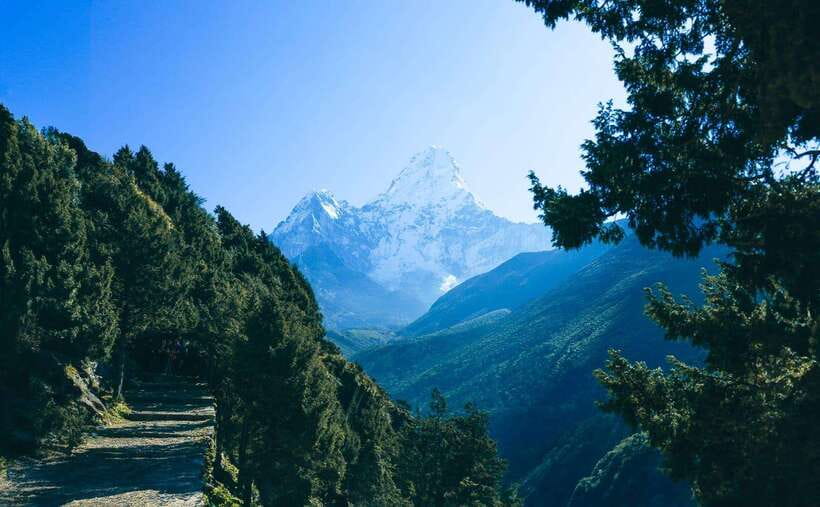
Day 9 begins with the climb to Kala Patthar at 5,545 meters. This is the highest point on the itinerary and one of its most demanding sections.
The reward is a close view of Everest and the surrounding peaks, especially when the light is clear. The supplied schedule specifically highlights sunrise from Kala Patthar, so expect an early start if conditions and the guide’s plan allow it.
After Kala Patthar, you descend to Pheriche at 4,200 meters. That descent is welcome after reaching the trek’s highest point, though the day remains tiring. Pheriche also gives you a lower sleeping altitude than Gorak Shep, which is useful after the high section.
I would treat Kala Patthar as a separate achievement from Everest Base Camp. Base Camp is the famous destination, but Kala Patthar often provides the more direct mountain view. If you have the strength for only one especially memorable push, this is the one to respect.
The return to Lukla is still real trekking
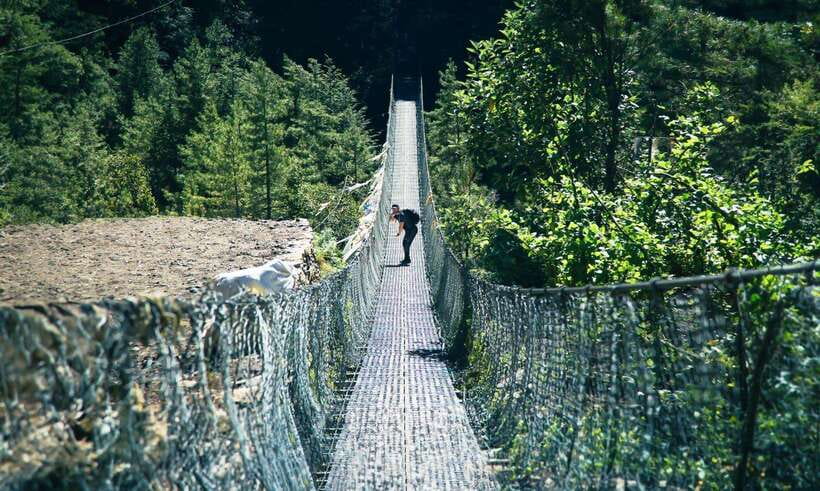
The journey back is not simply a cooldown. Day 10 takes you from Pheriche to Namche, and Day 11 continues to Lukla at about 2,800 meters. Descending helps with altitude, but long downhill sections can be hard on knees and legs.
Returning through Namche gives you a familiar stop before the final walk. You may notice the route differently on the way back, with less concern about gaining altitude and more time to appreciate the villages, bridges, rivers, and mountain views.
The final night in Lukla comes before the flight back to Kathmandu on Day 12. Round-trip domestic flights are included if you choose the appropriate package. Because the supplied details do not specify a fixed departure time or flight guarantee, check the exact flight arrangement before booking.
What the $408 price means in practical terms
At $408 per person, this is an attractive price for a guided 12-day Everest Base Camp package, but you need to check which options are included in that rate. The package information says round-trip Kathmandu to Lukla flights are included if the flight option is selected, while food and drinks are included if the full-board option is selected.
Accommodation during the trek, an English-speaking guide, the guide’s food and lodging, a Sagarmatha National Park permit, a trekking map, a first-aid kit, hotel pickup and drop-off, and welcome and farewell coffee are included. Those inclusions make the base price useful, but the final total may be higher if you add flights or full-board meals.
The Nepal visa fee and travel insurance are not included. I would not treat insurance as an optional extra on a high-altitude trek. The activity details only say it is not included, so you’ll need to arrange it yourself and check that it suits your plans.
The price also needs to be weighed against the small-group option and the level of guide support. Strong communication from organizer Rajesh, including advance help through WhatsApp, has been a repeated positive point. That sort of preparation can be especially helpful if you are trekking alone or need advice about equipment.
Guides, communication, and solo trekking
The guide names connected with this experience are Saran and Prayas. Saran received particularly warm praise for his humor, patience, English communication, photography, and attention to health. One participant also received a video made by him, along with help carrying a heavy pack during difficult sections.
Prayas was described as helpful and good at English, and he provided support when a solo participant became ill near the end of the trek. The company also arranged medical assistance and a porter for that final day in that particular case. Do not assume a porter is part of every package, but do ask what support is available if your condition changes.
Rajesh handles pre-trip communication for the agency and has helped people prepare well before departure. This matters because the supplied information does not include a detailed packing list. Ask for the current list, the exact food plan, the room arrangements, and what happens if your Lukla flight is delayed.
The guide language is English, and small groups are available. This package could suit a solo participant, including a first-time high-altitude trekker, but you should still be comfortable walking for many days and handling basic discomfort.
Who should book this trek
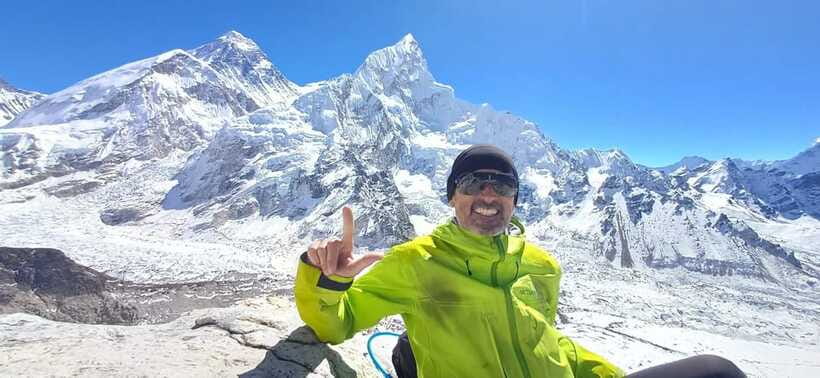
I would recommend this experience to you if reaching Everest Base Camp is a major goal and you want a guide-led route with built-in acclimatization. It suits people who value cultural stops, monasteries, Sherpa villages, and mountain scenery rather than only the final Base Camp photograph.
It is also a sensible choice for solo participants who want support without necessarily joining a large tour. The direct communication from Rajesh and the strong feedback about Saran and Prayas are useful signs for anyone nervous about arranging a Himalayan trek alone.
I would be more cautious if you want a relaxed holiday, dislike long uphill and downhill walks, or have not considered how you will handle high altitude. The trek reaches 5,545 meters at Kala Patthar, and the itinerary includes several demanding days close together.
Small practical details worth checking
The booking includes free cancellation up to 24 hours before departure and a reserve-now, pay-later option. Starting times depend on availability, so check the dates before planning connecting travel around Kathmandu.
Ask these questions before paying:
- Is the $408 price with or without the Lukla flights?
- Is full-board food included in the selected option?
- What accommodation standard is provided in each stop?
- Is a porter included, or can one be arranged separately?
- What is the plan if you become ill or cannot continue?
- What current equipment list does the agency recommend?
These are not fussy questions. On a 12-day trek, small differences in transport, meals, luggage support, and contingency planning can change the experience considerably.
Should you book the Everest Base Camp trek?
Book it if you want a focused, guided route to Everest Base Camp with two acclimatization days, an English-speaking guide, and a price that can offer good value once you confirm the package options. The strongest reasons are the carefully placed rest days, the cultural stops at Namche and Tengboche, and the personal support associated with guides Saran and Prayas.
Think twice if you expect a gentle walk or a fully inclusive price with every cost covered. Confirm flights, full-board meals, insurance, visa fees, accommodation details, and porter arrangements first. If those terms suit you, this is a practical way to experience the Khumbu region and take on one of the world’s best-known high-altitude treks.
FAQ
How long is the Everest Base Camp trek?
The activity lasts 12 days, including the flight from Kathmandu to Lukla, the trek to Everest Base Camp, the return walk to Lukla, and the flight back to Kathmandu.
Are flights from Kathmandu to Lukla included?
Round-trip domestic flights are included if you select the option that includes them. Check the exact package before booking.
Is food included during the trek?
Food and drinks are included if you select the full-board option. The provided details do not say that full-board meals are included in every package.
What language does the guide speak?
The live tour guide speaks English. Guides named in the booking information include Saran and Prayas.
Is travel insurance included?
No. Travel insurance is not included, so you need to arrange it separately.
Can I cancel the booking for a refund?
You can cancel up to 24 hours in advance for a full refund, according to the activity terms.
Just added in Kathmandu
- Kathmandu to Chitwan Tour by Tourist Bus – A Convenient and Affordable Way★ 4.0 · 4 reviews
- Changunarayan Hill to Telkot Hike Near Kathmandu Day Tour★ 5.0 · 6 reviews
- Mt Everest Base CampTrek | Budget Package★ 5.0 · 4 reviews
- Chitwan Jungle Safari 3-Day Tour★ 5.0 · 9 reviews
- Chandragiri Hill Station Tour by Cable Car★ 5.0 · 4 reviews
- Chandragiri Hills cable car day trip, private car with driver from Kathmandu★ 5.0 · 8 reviews
- Chandragiri to Taudaha Nature Day Hiking from Kathmandu★ 5.0 · 13 reviews
- Chandragiri Cable Car & Monkey Temple Private Guided Day Tour★ 5.0 · 5 reviews
Everest Base Camp Treks, compared.
Everest Base Camp Helicopter Tour landing at Everest View Hotel
Read our review →
Browse the lists this tour appears in