
Reviewed · NEPALI COOKING CLASSES
Kathmandu: Women-Led Cooking Class & Momo Making-Local Taste
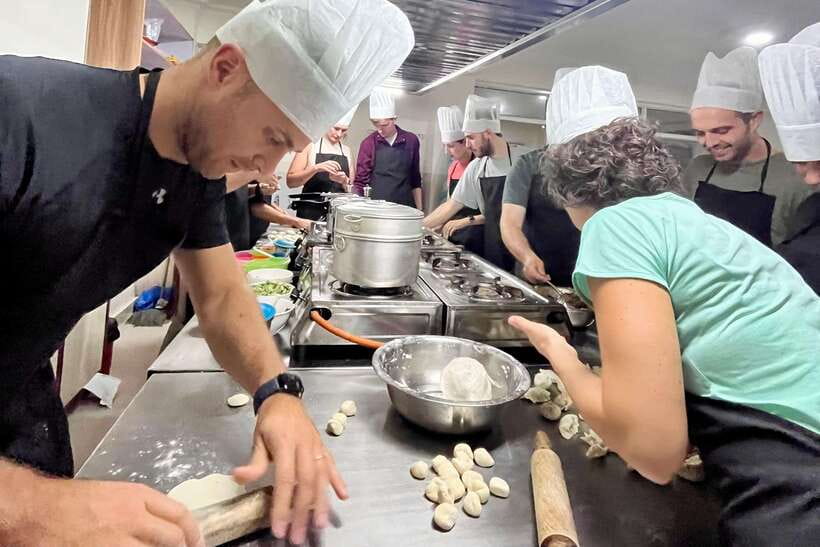
Kathmandu’s food culture makes the most sense when you are holding the ingredients in your hands. This women-led cooking class takes you from a local market to a modern kitchen, where you learn to prepare Nepali staples such as momo, dal bhat, bara, and Newari sweets.
I like the small group limit of eight, which gives you a better chance to ask questions and get help with tricky techniques. I also like the choice of three menus, including meat and vegetarian possibilities, so you can choose a meal that fits your appetite and curiosity.
The main drawback is that cooking technique matters here. One participant found the momo folding lesson frustrating when the method did not come easily, so you should expect patient practice rather than a quick demonstration followed by lunch.
Key points
- Market shopping comes first: Help select vegetables, spices, and meat before cooking.
- Three menus offer variety: Choose combinations such as bara with dal bhat, momo with chatamari, or thukpa with aloo chop.
- You eat what you prepare: The class ends with a full tasting session, not just a sample.
- A small English-speaking group: The class is limited to eight people and is taught in English.
- Good value at $11: The price includes ingredients, instruction, equipment, masala tea, and your cooked meal.
- Plan for two to three hours: This is a relaxed food activity, not a fast cooking demonstration.
From Kathmandu’s Market to the Cooking Bench
The class begins with a market or shop visit to gather the important ingredients. This is one of the most useful parts of the experience because it puts names and purpose to the foods you will later cook.
You may help select vegetables, spices, and meat, depending on the menu you choose. The shopping stop also gives you a practical look at how a Nepali meal comes together. Instead of meeting a finished plate at a restaurant, you see the raw materials and learn how cooks decide what belongs in the pot, pan, or steamer.
I like this start because it adds context without requiring a separate market tour. You are not simply walking past unfamiliar ingredients. You are choosing food for a meal you will soon prepare.
The meeting point is easy to reach from Thamel and other parts of the Kathmandu Valley. Exact starting times depend on availability, so check the schedule when you book. The whole activity lasts about two to three hours, with the market visit, kitchen work, tea, and meal all included in that window.
More cooking and eating in Kathmandu:
- Half day cooking class in Thamel kathmandu
★ 5.0 · 607 reviews - Kathmandu: Local Women-Led Nepali Cooking & Momo Class
★ 4.9 · 360 reviews - Kathmandu: Local Lead Nepali Cooking & Momo-Making Class
★ 5.0 · 212 reviews
A Modern Kitchen and a Local Cooking Teacher
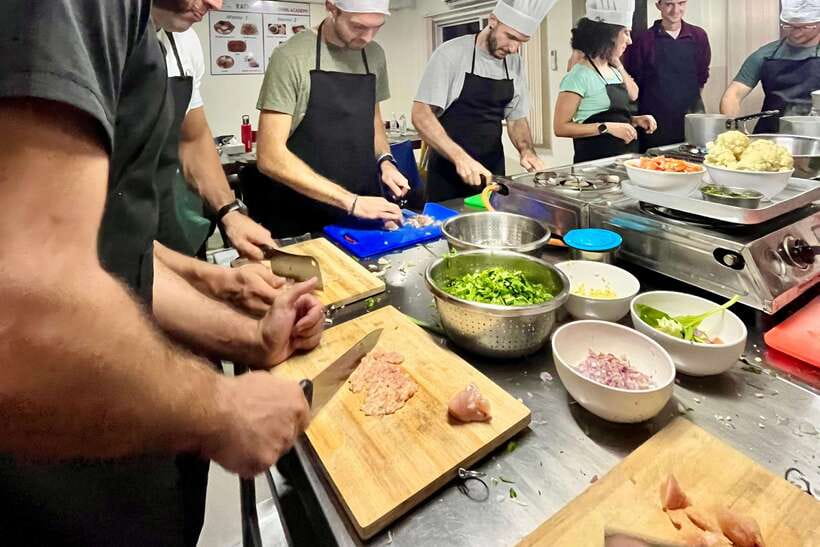
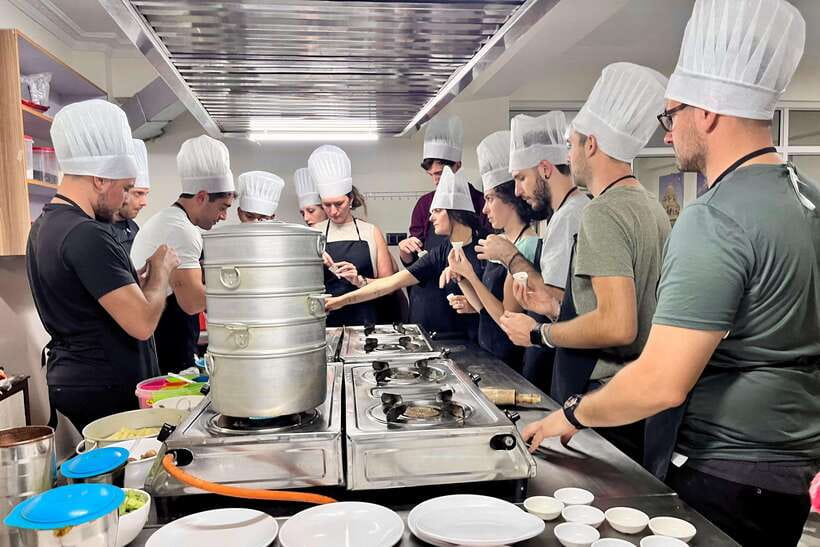
After shopping, you enter a modern Nepali kitchen and meet the local chef and English-speaking instructor. The lesson is step by step, with the chef explaining ingredients, cooking methods, and the cultural role of each dish.
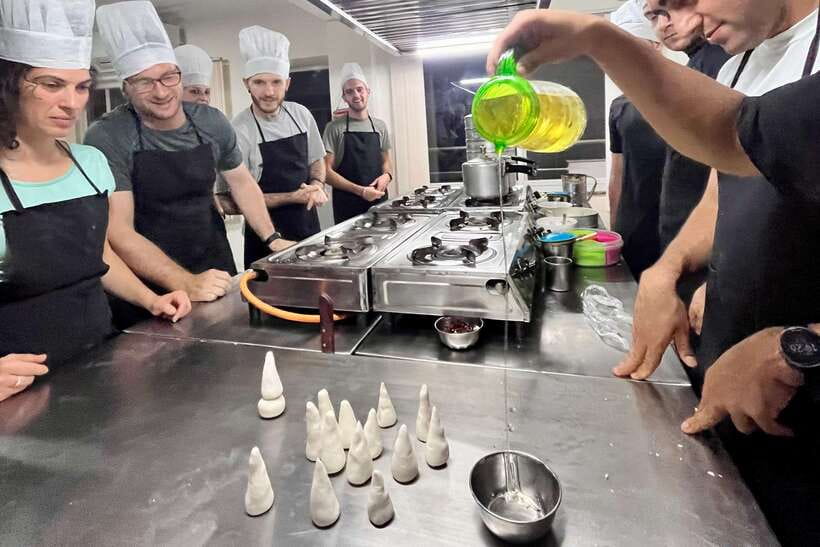
The class is designed for beginners. You do not need professional kitchen skills, though you do need a little patience. Momo folding is the clearest example. The dough must be shaped, filled, and sealed neatly, and small differences in technique can change the result.
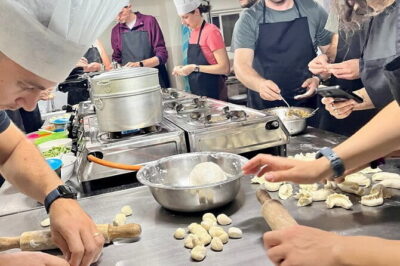
That hands-on quality is the point. You are not watching a chef prepare everything while you take notes. You use the cooking equipment, handle the ingredients, and help make the dishes yourself.
The instruction also covers different ways of cooking. You may work with lentils, rice flour, noodles, potatoes, vegetables, meat, milk, or spices, depending on your menu. This gives you a broader look at Nepali food than a single momo lesson would.
The group size matters here. With no more than eight people, the instructor can keep the lesson manageable. Still, the class is shared, so the amount of individual attention can vary. If you need extra help, speak up early, especially during dough shaping and folding.
Choosing Between Three Nepali Menus
You have three menu sets to choose from. Each one offers a different picture of Nepali food, from everyday rice and lentils to Newari specialties and Tibetan-influenced noodle soup.
Menu 1: Bara, Dal Bhat, and Yomari
This is the most traditional-feeling option if you want a broad Nepali meal.
Bara is a Newari lentil pancake made from ground black gram batter and spices. It may be served plain or topped with egg, minced meat, or vegetables. The finished pancake has a crisp exterior with a softer center.
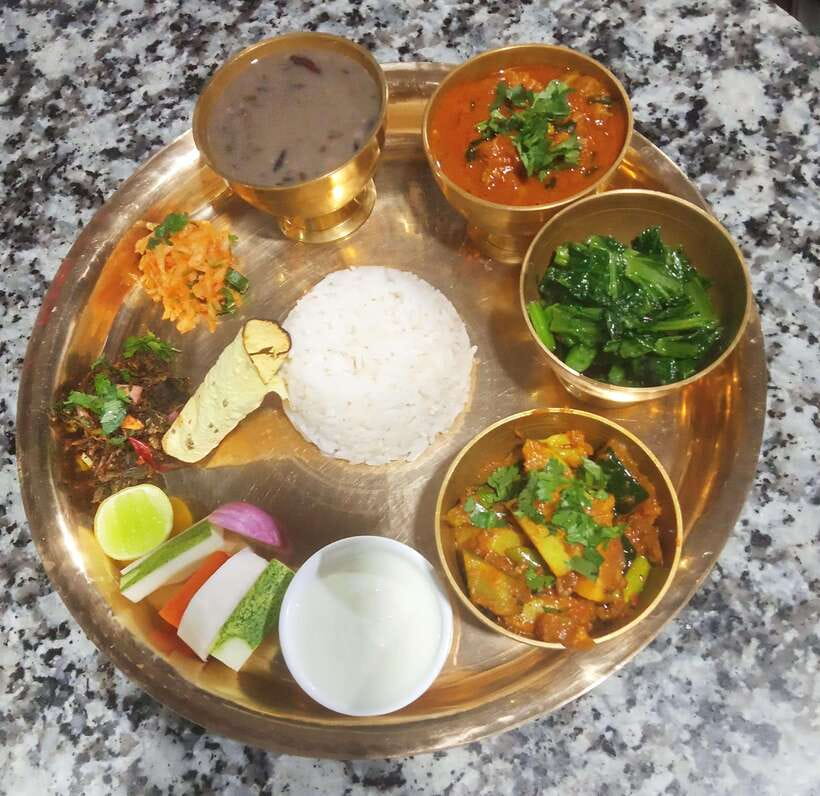
Dal bhat is Nepal’s famous rice and lentil combination. The basic plate includes steamed rice and lentil soup, often accompanied by vegetables, pickles, and curry. It is simple food, but it shows how Nepali meals balance starch, protein, vegetables, and seasoning.
Yomari gives the menu a sweet finish. This Newari dumpling uses rice flour dough filled with molasses and sesame seeds, with coconut sometimes included. It is a useful reminder that dumplings in Nepal are not always savory.
Choose this menu if you want the strongest connection to Newari cooking and a meal that moves from savory lentils to a sweet rice-flour dessert.
A few more things to do in Kathmandu worth a look
- Knife (Khukuri) Making Workshop- Forge of the Gurkhas
★ 5.0 · 143 reviews - The best Private Nepali Cooking Class in Kathmandu
★ 5.0 · 83 reviews - Kathmandu: Traditional Momo Making Class & Pickup
★ 4.8 · 60 reviews - Traditional Nepali Momo Making Classes
★ 5.0 · 53 reviews
Menu 2: Chatamari, Momo, and Kheer
This menu is likely the most familiar choice for first-time visitors because momo is the star.
Chatamari is a Newari rice-flour crepe sometimes called Nepali pizza. It can carry toppings such as egg, minced meat, vegetables, and spices. The comparison is handy, but chatamari has its own texture and seasoning, so it is worth treating it as a distinct dish rather than a local pizza copy.
Momo are thin dough dumplings filled with seasoned minced meat or vegetables. Available fillings include chicken, buff, pork, or vegetables. The filling and folding technique are central to the lesson, and you may make a large batch to eat afterward.
Kheer is a creamy rice pudding cooked with milk, sugar, and cardamom. Nuts and raisins may be used as garnish. It is a gentle dessert after the stronger flavors of momo and chatamari.
Pick this set if learning to fold dumplings is your main goal. Give yourself time to practice, and do not worry if your first few momo look uneven. The food is still worth eating.
Menu 3: Aloo Chop, Thukpa, and Carrot Halwa
This option brings together a fried snack, a noodle soup, and a warm dessert.
Aloo chop is made from mashed boiled potatoes mixed with spices, then deep-fried. It is crisp outside and soft inside, making it a good introduction to a common Nepali snack style.
Thukpa is a Tibetan-Nepali noodle soup. It uses hand-pulled or wheat noodles in a seasoned broth, with vegetables and possibly chicken, buff, or mutton. It offers a different texture and cooking method from the rice-based dishes in the other menus.
Carrot halwa is prepared by slowly cooking grated carrots with milk, sugar, ghee, and cardamom. Nuts and raisins may finish the dish. The slow cooking is part of the character of this dessert, so this menu gives you a look at both quick frying and longer simmering.
Choose this set if you want soup, noodles, and a menu that differs from the usual momo and dal bhat combination.
Why the Market Stop Adds Real Value
At $11 per person, the class is inexpensive for a two to three-hour activity. The value comes from what is included, not just the final plate.
Your fee covers the chef’s instruction, the market or shop visit, cooking equipment, ingredients, the hands-on lesson, the meal you prepare, and Nepali masala tea. Specialty and alcoholic drinks cost extra, but the class already includes a traditional nonalcoholic drink during the lesson.
I consider this strong value for someone who wants both food and cultural context. A restaurant meal might cost less or about the same, but it would not teach you how lentils become dal, how rice flour is shaped into chatamari, or how a momo is sealed.
The price also makes this a practical choice for budget-conscious visitors. You can spend a morning or afternoon learning a skill and eating a substantial meal without committing to a full-day excursion.
Do keep your expectations sensible. This is not a private chef course with unlimited time. The class has a fixed duration and may include other participants. You are paying for an accessible introduction to Nepali cooking, not advanced culinary certification.
Masala Tea, Techniques, and the Meal at the End
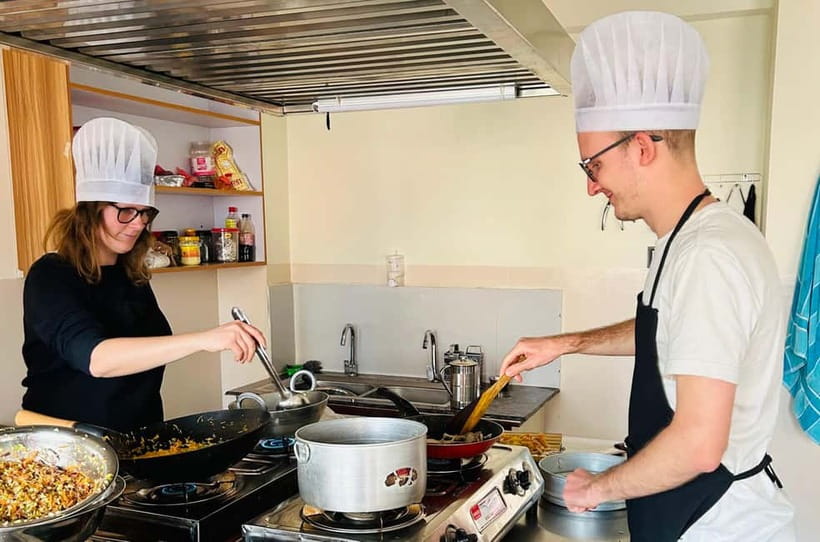
Masala tea is served during the lesson. Black tea is combined with aromatic spices, giving you a warm drink while you work. It is a small detail, but it helps connect the kitchen activity with everyday Nepali food culture.
The cooking itself covers more than recipes. You learn how ingredients are selected, how spices are used, and why different dishes call for different methods. Frying, simmering, steaming, shaping dough, and slow cooking may all appear across the three menus.
The final tasting session is the reward. You sit down to eat the meal you helped prepare, with the dishes depending on your selected menu. That can make familiar foods taste different. A plate of momo is no longer just something ordered from a menu. You have seen the filling, worked the dough, and tried to close each dumpling.
Food safety and exact kitchen procedures are not described in detail, so I would listen closely to the instructor and follow the directions for handling ingredients and equipment. This is especially important if you choose a meat menu.
Vegetarian and Meat Choices
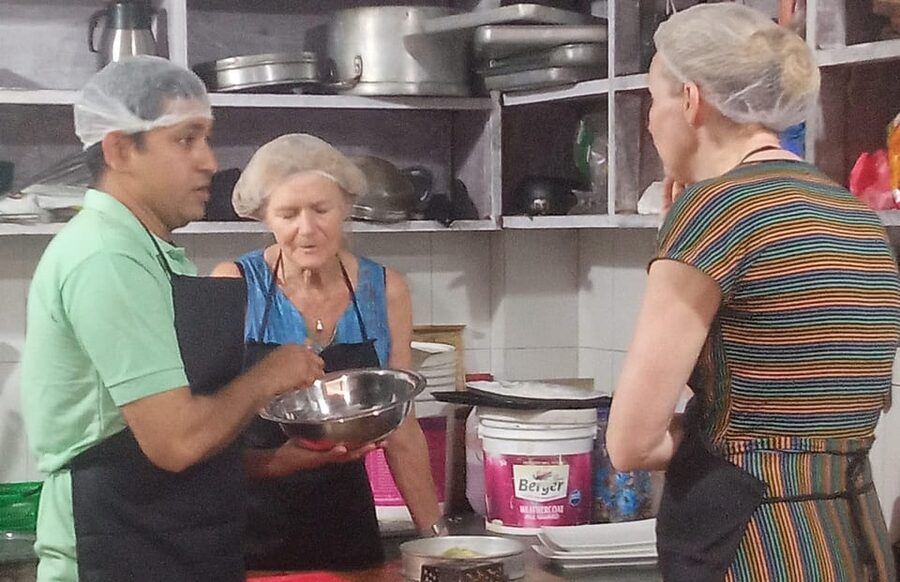
The activity works for different diets because the menus include vegetarian and meat options. Momo can be filled with meat or vegetables, while chatamari may use vegetables, egg, or minced meat.
The information provided does not spell out every possible substitution or allergy accommodation. If you have dietary restrictions, confirm your needs before booking rather than assuming the menu can be changed on the day.
For many people, the vegetarian choices are enough to make this a comfortable introduction to Nepali food. For others, the chance to prepare chicken, buff, pork, or mutton dishes is part of the appeal. Check the selected menu carefully so you know what you are signing up to cook.
The Small-Group Advantage and One Honest Warning
A group limit of eight is a useful middle ground. You get the social feel of a shared class, but the activity should not have the scale of a large demonstration.
The clearest caution concerns the momo folding technique. One participant found the chef irritated when the method was difficult to grasp and felt the lesson became less fun. I would not ignore that criticism, even though the overall rating is 4.8 from 15 reviews and most of the available feedback is strongly positive.
The practical lesson is simple: ask for another demonstration, slow down, and accept that your first dumplings may not look perfect. If you need a very relaxed class with generous individual coaching, this experience may depend on the instructor and the pace of the group.
The positive side is that the food itself receives strong praise. The class has been described as fresh, flavorful, and authentic, with a friendly chef who answers questions about preparation, ingredients, and spices. You should expect a warm teaching style overall, but not necessarily a private lesson.
Who Should Book This Kathmandu Cooking Class?
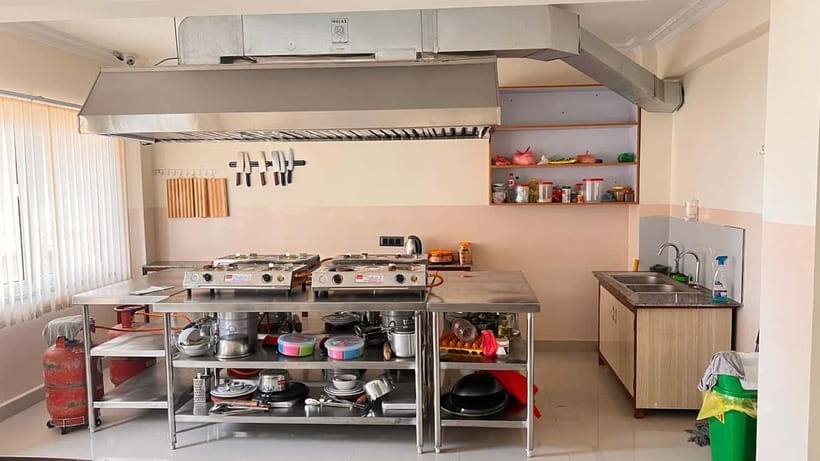
I would recommend it to first-time visitors who want a useful cultural activity near Thamel. It suits people who like eating local food but also want to understand how it is made.
Families can consider it too, since the workshop is open to people aged eight and above. Younger participants should be interested in learning and able to follow kitchen instructions.
It is also a good match for:
- Couples seeking a shared activity beyond sightseeing
- Solo visitors who enjoy small-group classes
- Budget travelers looking for a meal and activity in one
- Food lovers choosing between Nepali, Newari, and Tibetan-Nepali dishes
- Visitors who want vegetarian or meat options
- Anyone curious about momo, dal bhat, or rice-flour cooking
I would be more cautious if you dislike hands-on work or want a passive demonstration. You will be expected to participate, and the cooking may include fiddly steps such as folding dumplings.
The class is taught in English, and the limited group size should make instructions easier to follow. Professional photographs and video are not included, though those services are available for an additional fee.
Booking Details That Matter
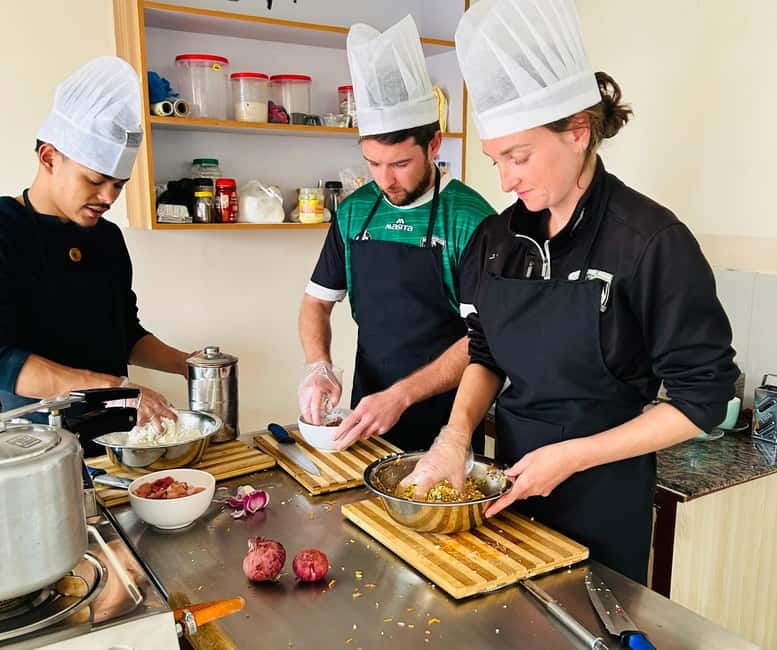
The activity lasts two to three hours, and starting times vary, so check availability before you plan the rest of your day. The workshop location is accessible from Thamel and other parts of the Kathmandu Valley.
You can reserve now and pay later, which helps if your Kathmandu plans are still changing. Free cancellation is available up to 24 hours before the activity for a full refund.
The experience is provided by Relax Getaways Pvt. Ltd. It has a rating of 4.8 based on 15 reviews, with praise focused on the food, hospitality, hands-on format, and chef instruction. One lower rating points to the folding lesson as a possible weak spot, so approach that part with patience.
Should You Book It?
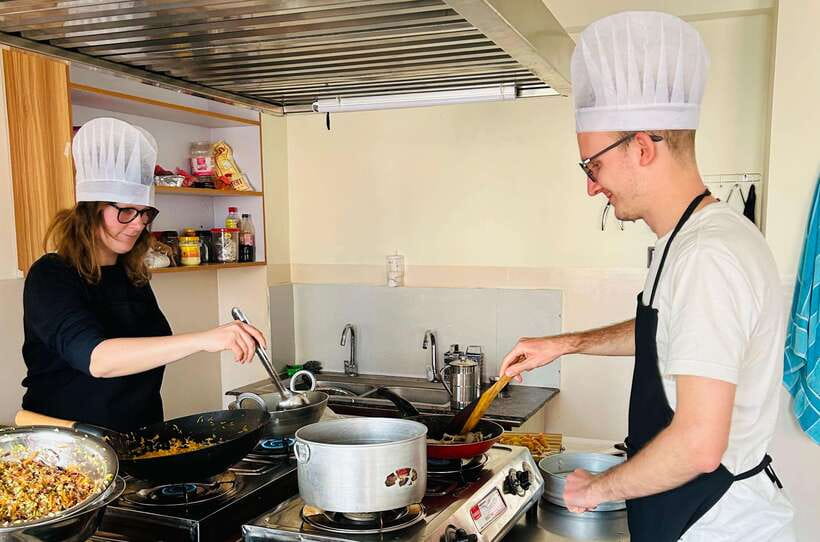
Book this class if you want more than a restaurant meal and like the idea of shopping for ingredients, cooking with a local chef, and eating your own Nepali lunch or dinner. At $11, it offers a lot for the price, especially with equipment, ingredients, masala tea, and instruction included.
I would choose Menu 2 if momo is your priority, Menu 1 for a strong Newari and dal bhat introduction, and Menu 3 for noodles, soup, and a different dessert. If you have dietary needs, confirm the details before booking.
The only real caution is the teaching pace during technical steps. Go in ready to practice, not to produce perfect dumplings on your first attempt. For most visitors, the market stop, small group, menu choices, and final meal make this a smart and affordable way to spend a few hours in Kathmandu.
FAQ
How much does the Kathmandu cooking class cost?
The activity costs $11 per person.
How long does the cooking class last?
The class lasts approximately two to three hours.
Where is the cooking workshop located?
The workshop location is accessible from Thamel and other parts of the Kathmandu Valley.
Is the class taught in English?
Yes. The instructor teaches the class in English.
How many people can join the class?
The class is limited to eight participants.
What dishes can I learn to cook?
The three menu choices include Bara, dal bhat, yomari, chatamari, momo, kheer, aloo chop, thukpa, and carrot halwa.
Does the class include a market visit?
Yes. The experience includes a market or shop visit to buy vegetables, spices, meat, and other important cooking ingredients.
Is food and cooking equipment included?
Yes. The activity includes the cooking equipment, ingredients used in the class, hands-on instruction, and a tasting session of the food you prepare.
Can children join the cooking class?
The workshop is suitable for people aged eight and above who are interested in learning to cook new dishes.
Just added in Kathmandu
- Kathmandu to Chitwan Tour by Tourist Bus – A Convenient and Affordable Way★ 4.0 · 4 reviews
- Changunarayan Hill to Telkot Hike Near Kathmandu Day Tour★ 5.0 · 6 reviews
- Mt Everest Base CampTrek | Budget Package★ 5.0 · 4 reviews
- Chitwan Jungle Safari 3-Day Tour★ 5.0 · 9 reviews
- Chandragiri Hill Station Tour by Cable Car★ 5.0 · 4 reviews
- Chandragiri Hills cable car day trip, private car with driver from Kathmandu★ 5.0 · 8 reviews
- Chandragiri to Taudaha Nature Day Hiking from Kathmandu★ 5.0 · 13 reviews
- Chandragiri Cable Car & Monkey Temple Private Guided Day Tour★ 5.0 · 5 reviews
Nepali Cooking Classes, compared.
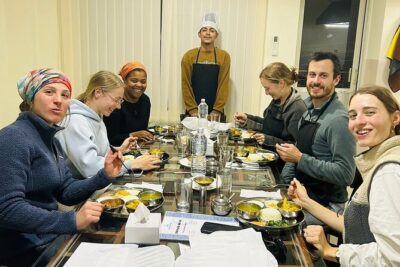
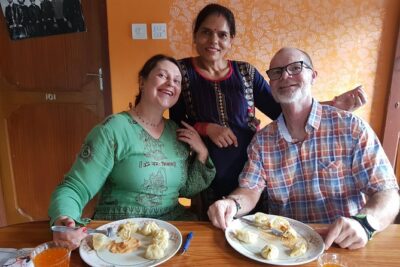
Nepalese Momos or Dal Bhat Cooking Class (Cook with Delight)
Read our review →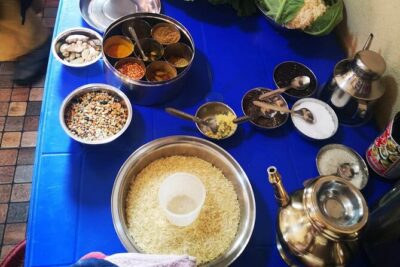
The best Private Nepali Cooking Class in Kathmandu
Read our review →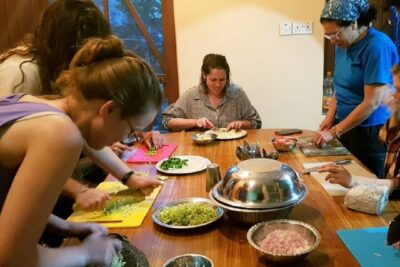
Nepalese Kitchen in Pokhara: Momos or Dal Bhat Cooking Class
Read our review →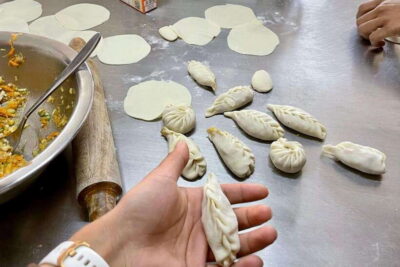
Browse the lists this tour appears in