
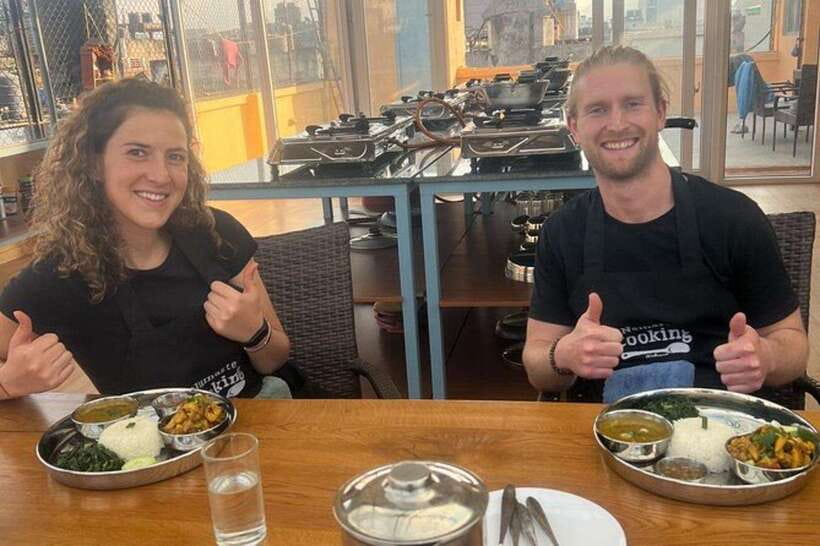
Reviewed · NEPALI COOKING CLASSES
Local Women Led Nepali Cooking Class
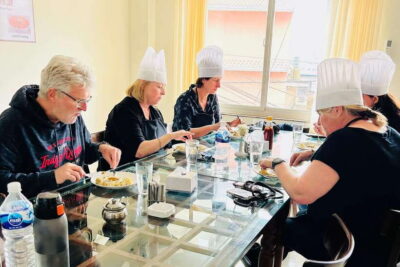
Namaste Cooking School gives you a meal, a lesson, and a direct link to local community work in one three-hour session. The women-led team prepares authentic Nepali dishes with ingredients sourced from local farmers, then serves the food you helped make.
I like the small maximum of eight people, which should leave room for questions and hands-on work. I also like that the $30 price covers ingredients, your lunch or dinner, recipes to take home, and a certificate. The main thing to consider is the limited menu detail: you know the class covers dishes from entrée through dessert, but you may want to confirm the exact menu before booking.
Key Points
- Women-led cooking team: Your class supports women who are survivors of trafficking and are building new lives through work and training.
- Thamel location: The school sits in the heart of Thamel, making it easy to reach if you are staying in Kathmandu’s main visitor district.
- Farm-to-table ingredients: Local farmers supply the ingredients, giving the lesson a clear connection to Nepal’s food culture and rural communities.
- Three-hour format: The session has enough time for cooking and eating without taking up a full day of sightseeing.
- Small group size: With no more than eight participants, the class should feel more personal than a large demonstration.
- Useful take-home extras: You receive a recipe booklet and participation certificate, along with the meal you prepare.
Why This Cooking Class Matters Beyond the Meal
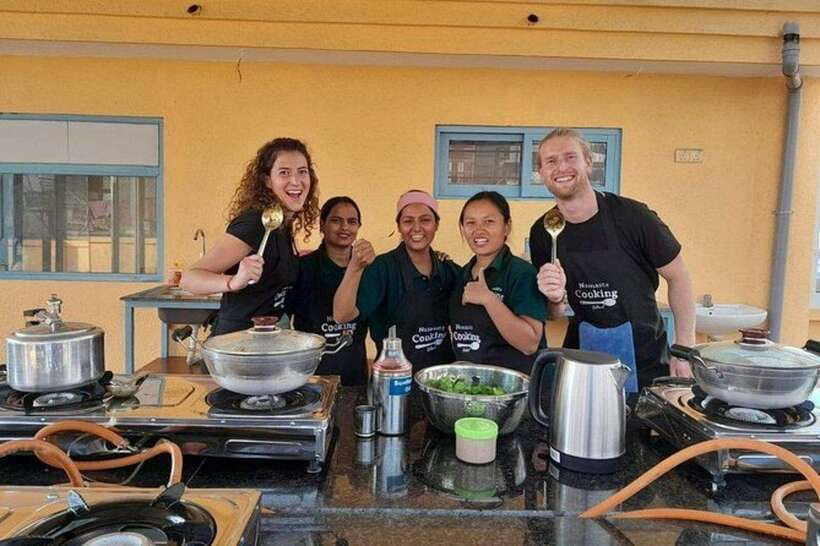
The most meaningful part of Namaste Cooking School is its purpose. This is not simply a class designed to fill a free afternoon in Kathmandu. The school is run by women who are survivors of trafficking, and the program places their strength, work, and independence at the center of the experience.
That matters because food classes can easily become detached from local life. Here, your payment helps support a working community project while you learn about Nepali cooking. The experience connects the food on your plate with the people preparing it and the farmers supplying the ingredients.
The school describes its team as survivors, not victims. That distinction gives the class a clear tone of resilience and hope. You are not being asked to feel sorry for anyone. You are joining a practical program that values employment, skill-building, and dignity.
I also like the idea of learning through food rather than only hearing a guide describe Nepalese culture. You work with ingredients, follow cooking steps, and eat the result. That gives you a more useful connection to local traditions than a quick restaurant meal.
More cooking and eating in Kathmandu:
- Half day cooking class in Thamel kathmandu
★ 5.0 · 607 reviews - Kathmandu: Local Women-Led Nepali Cooking & Momo Class
★ 4.9 · 360 reviews - Kathmandu: Local Lead Nepali Cooking & Momo-Making Class
★ 5.0 · 212 reviews
Three Hours in Thamel, From Ingredients to Dessert
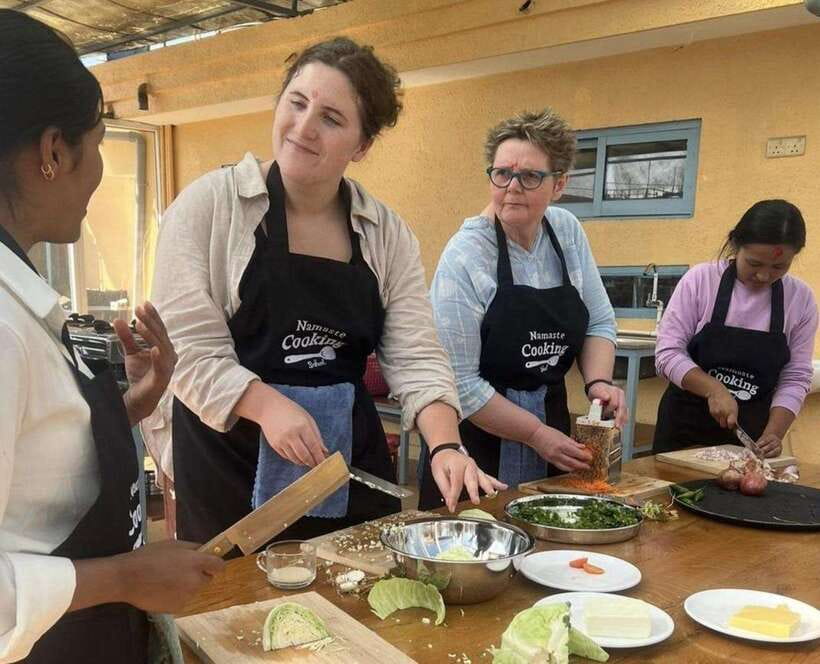
The exact cooking sequence and menu can vary, so you should check which dishes are planned for your date. The broad structure is clear: the class covers an entrée, a main course, and a dessert, followed by lunch or dinner made from the dishes you prepare.
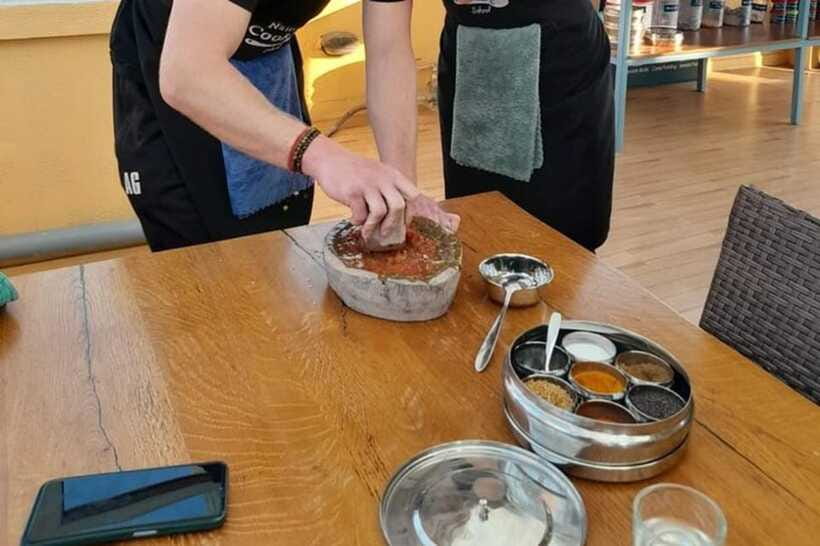
You can expect the session to begin with an introduction to the ingredients and the cooking process. Since the school uses produce and other supplies sourced from local farmers, the ingredients themselves are part of the lesson. You are not just following a recipe from a printed card. You are working with the foods that form part of Nepal’s everyday cooking traditions.
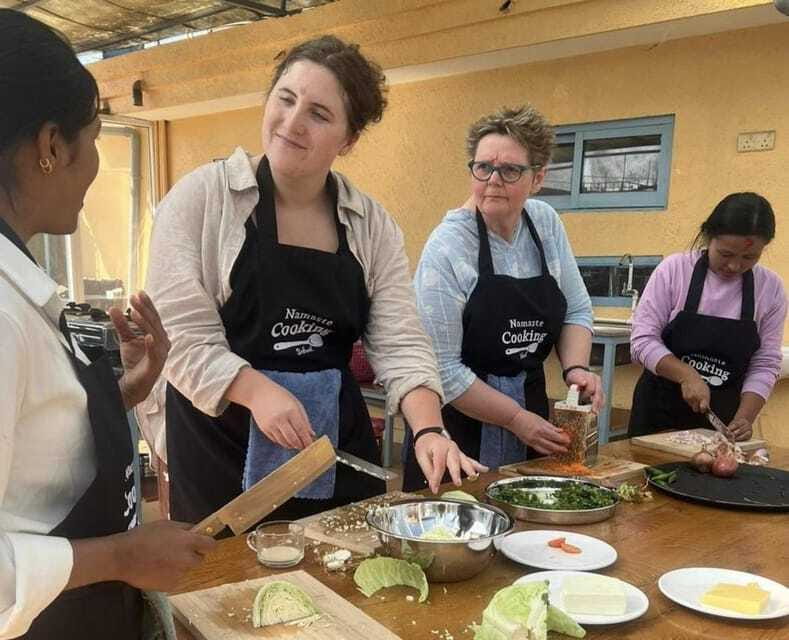
The middle portion is the practical heart of the class. You cook with the women-led team and learn in English. A group limit of eight is useful here. It does not guarantee that every person will get equal time at every station, but it gives the instructors a better chance to keep the class involved and answer questions.
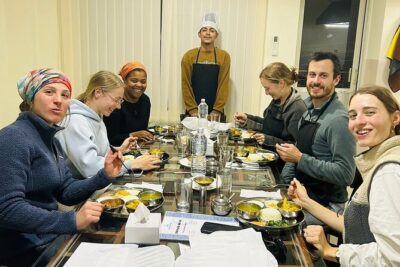
The final stage is the best reward: you sit down to eat the food you have prepared. A cooking class can feel rushed when it ends with a few hurried bites. This one includes lunch or dinner as part of the experience, so the meal is built into the three-hour plan rather than treated as an afterthought.
Dessert is included in the advertised menu range. That makes the class feel like a complete meal rather than a single-dish demonstration. If you have dietary restrictions or strong dislikes, ask about the menu before paying, since no special dietary arrangements are described in the available information.
What Makes the Food Lesson Authentic
The school puts real weight on local sourcing and traditional flavor. Ingredients come directly from local farmers, creating a farm-to-table link that is easy to understand: local food producers supply the kitchen, and you cook with those ingredients in a Nepali setting.
That approach is valuable for two reasons. First, it keeps the class connected to the food people grow and use in Nepal. Second, it gives the school’s mission a wider reach. Your class supports the cooking team, while ingredient purchases also connect the experience to local farmers.
The word authentic can be overused in tourism. Here, the strongest support for that claim is the school’s focus on local ingredients, Nepali recipes, and a women-led teaching team. Still, you should keep your expectations sensible. A three-hour class will introduce you to selected dishes, not every regional style found across Nepal.
Nepali food is not one fixed menu. Cooking traditions vary across the country and across communities. This class offers a useful introduction, but it cannot cover the full range of Himalayan food in one sitting. Ask which dishes are planned if you are especially interested in a certain ingredient, region, or cooking method.
The Four Women Who Set the Tone
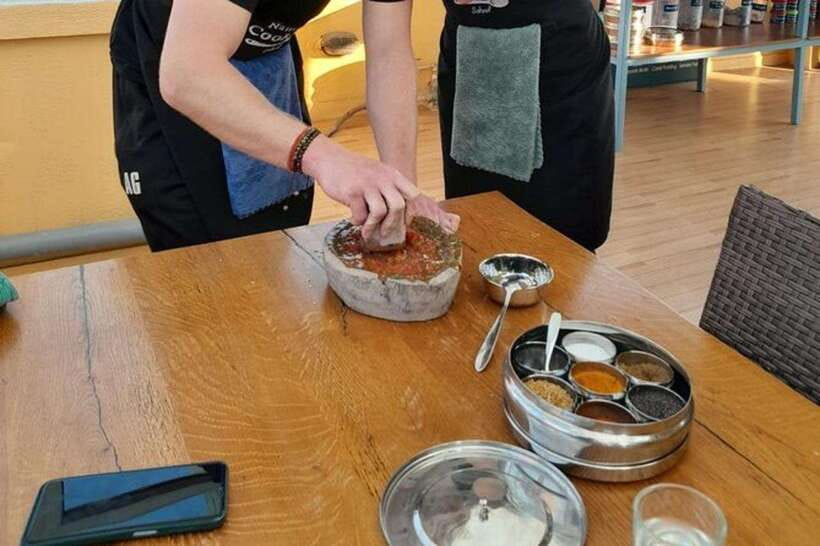
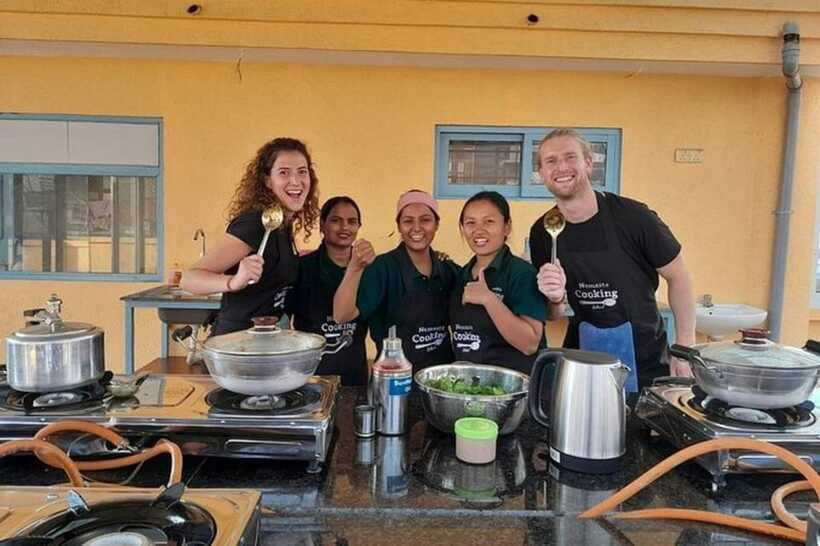
The available feedback describes four women leading the class and creating a cheerful, friendly atmosphere. The women are not named, so I would not book this expecting a celebrity chef or a formal culinary-school lecture.
That is part of the appeal. The class appears to focus on shared cooking, laughter, and practical instruction rather than stiff presentation. One especially positive account describes three hours filled with good humor, enjoyable company, and a satisfying meal. Another highlights the team’s friendly approach and strong command of the cooking process.
You should expect a warm social setting, but the experience still centers on food. If you want a quiet private lesson with one instructor at your side, the small-group format may not be the right match. If you like cooking alongside other people and learning in a relaxed setting, the group size should work well.
Because instruction is in English, you can ask questions and follow the cooking process without needing another language. No other teaching languages are listed.
A few more things to do in Kathmandu worth a look
- Knife (Khukuri) Making Workshop- Forge of the Gurkhas
★ 5.0 · 143 reviews - The best Private Nepali Cooking Class in Kathmandu
★ 5.0 · 83 reviews - Kathmandu: Traditional Momo Making Class & Pickup
★ 4.8 · 60 reviews - Traditional Nepali Momo Making Classes
★ 5.0 · 53 reviews
A Good Value at $30
At $30 per person, the class is priced as more than a meal and less than a full-day tour. The value comes from the combination of several things:
- Three hours of instruction and cooking
- All cooking ingredients
- Lunch or dinner
- A recipe booklet
- A participation certificate
- Support for a women-led social enterprise
If you only want to eat Nepali food, you can likely spend less at a local restaurant. But a restaurant will not give you the cooking lesson, recipe booklet, or the chance to prepare the dishes yourself. The comparison is not restaurant versus restaurant. It is meal plus class plus community support.
The certificate is a small extra, and you should not treat it as a professional qualification. It is a souvenir of participation. The recipe booklet has more lasting value because it gives you a chance to repeat the dishes after returning home.
I consider the price fair for a three-hour activity in central Thamel, especially since the meal and ingredients are already included. The value is strongest for visitors who want a cultural activity with a clear social purpose. It is weaker for anyone who dislikes group classes or has no interest in cooking.
Getting There and Planning Your Time
The school is located in the heart of Thamel, one of Kathmandu’s main visitor areas. That central setting is convenient if you are staying nearby or already planning time in the district. You do not need to dedicate an entire day to reach a distant cooking venue.
The information also says pickup service is available, but hotel pickup and drop-off are not included. Treat that as a point to confirm before booking. Ask the provider what pickup means for your location and whether an extra charge applies. If you arrange your own way there, the central Thamel location should be the simpler option.
The class lasts three hours, with starting times subject to availability. Plan around the meal period because the session includes lunch or dinner. A morning start may lead into lunch, while an afternoon start may lead into dinner, but the exact schedule should be confirmed when you select your date.
You can cancel up to 24 hours before the experience for a full refund. The reserve-now, pay-later option also helps if your Kathmandu plans are still moving around. These policies are useful in a city where transport, weather, and changing trekking plans can affect a short stay.
Who Will Enjoy This Class Most
I would recommend Namaste Cooking School to several types of visitors.
First-time visitors to Nepal get a friendly introduction to local food without committing to a longer culinary course. The recipe booklet gives you something practical to take home, and the meal makes the lesson easy to remember.
Food-focused visitors will appreciate the chance to work with local ingredients rather than simply ordering familiar dishes. If you like learning by doing, the class offers more than a restaurant visit.
Socially minded visitors will find the women-led mission central to the experience. Your booking supports a team of trafficking survivors who are working toward independence and a stronger future.
Couples, friends, and solo visitors can all fit the format. The group limit of eight keeps the session small enough for conversation, while the cooking gives everyone a shared task.
Families with children may want to ask about age suitability before booking, since no child policy is provided. The same advice applies to visitors with allergies, food restrictions, or mobility concerns. The available details do not explain how the class handles those needs.
A Few Limits to Keep in Mind
The class has a clear purpose and strong practical inclusions, but it is not perfect for every type of visitor.
The biggest unknown is the exact menu. You know the experience includes an entrée, main course, and dessert, but not the names of the dishes or the ingredients used. That makes it harder to judge the class if you have your heart set on a particular Nepali specialty.
The class is also delivered in English only. That works well for English-speaking visitors, but it may not suit you if you need instruction in another language.
The pickup information needs clarification. Pickup service is listed as available, while hotel pickup and drop-off are listed as not included. Confirm the meeting arrangements before the day of the class.
Finally, the group is small but not private. Eight people is a reasonable maximum, yet you still share the kitchen and instructors with others. That is part of the social appeal, but it may disappoint you if you want a private cooking lesson.
Should You Book Namaste Cooking School?
Book it if you want to learn Nepali cooking, eat what you prepare, and support a women-led program at the same time. The $30 price is reasonable because it includes ingredients, a full meal, recipes, and a certificate, while the three-hour length fits neatly into a Kathmandu itinerary.
I would be especially inclined to book if you are staying in Thamel and want a hands-on activity with a clear local connection. Before confirming, check the exact menu, clarify pickup arrangements, and mention any dietary needs. If those details suit you, this is a worthwhile way to spend an afternoon or evening in Kathmandu.
FAQ
Where is Namaste Cooking School located?
Namaste Cooking School is located in the heart of Thamel in Kathmandu, Nepal.
How much does the cooking class cost?
The price is $30 per person.
How long does the experience last?
The cooking class lasts three hours.
What does the price include?
The price includes all cooking ingredients, lunch or dinner with the dishes you prepare, a recipe booklet, and a certificate of participation.
What food does the class cover?
The menu includes dishes from the entrée, main course, and dessert categories. The exact dishes are not specified, so check the menu for your chosen date.
Is the class taught in English?
Yes. English is the listed instruction language.
How many people can join the class?
The class is limited to eight participants.
Can I cancel for a full refund?
Yes. You can cancel up to 24 hours before the experience for a full refund.
Just added in Kathmandu
- Kathmandu to Chitwan Tour by Tourist Bus – A Convenient and Affordable Way★ 4.0 · 4 reviews
- Changunarayan Hill to Telkot Hike Near Kathmandu Day Tour★ 5.0 · 6 reviews
- Mt Everest Base CampTrek | Budget Package★ 5.0 · 4 reviews
- Chitwan Jungle Safari 3-Day Tour★ 5.0 · 9 reviews
- Chandragiri Hill Station Tour by Cable Car★ 5.0 · 4 reviews
- Chandragiri Hills cable car day trip, private car with driver from Kathmandu★ 5.0 · 8 reviews
- Chandragiri to Taudaha Nature Day Hiking from Kathmandu★ 5.0 · 13 reviews
- Chandragiri Cable Car & Monkey Temple Private Guided Day Tour★ 5.0 · 5 reviews
Nepali Cooking Classes, compared.
Nepalese Momos or Dal Bhat Cooking Class (Cook with Delight)
Read our review →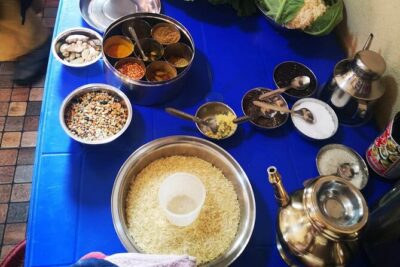
The best Private Nepali Cooking Class in Kathmandu
Read our review →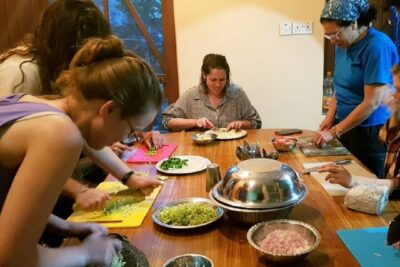
Nepalese Kitchen in Pokhara: Momos or Dal Bhat Cooking Class
Read our review →
Browse the lists this tour appears in