
Reviewed · EVEREST BASE CAMP TREKS
Short Everest Base Camp Trek 10 Days
Reaching Everest Base Camp at 5,364 meters is the main prize here, but the route gives you much more than a famous photo. You walk through Sherpa villages, cross suspension bridges, pass Buddhist monasteries, and watch the world’s highest peaks appear one by one. The final push through the Khumbu Glacier is rugged, cold, and wonderfully serious.
I like the small maximum group of 15 and the strong guide support. Previous guests singled out guides including Mohan, Padam Bahadur Bhujel, AJ, and Anjan for careful pacing, clear evening briefings, patience, and help with altitude. I also like that flights, permits, lodging, transfers, guide costs, and emergency helicopter arrangements are handled in advance.
The main drawback is the compressed schedule. Ten days leaves little room for a rest day or weather delay, and the published plan includes several long days at high altitude. Meals, porters, insurance, tips, and personal gear cost extra, so the $1,400 headline price is not the final budget.
Key points to know before booking
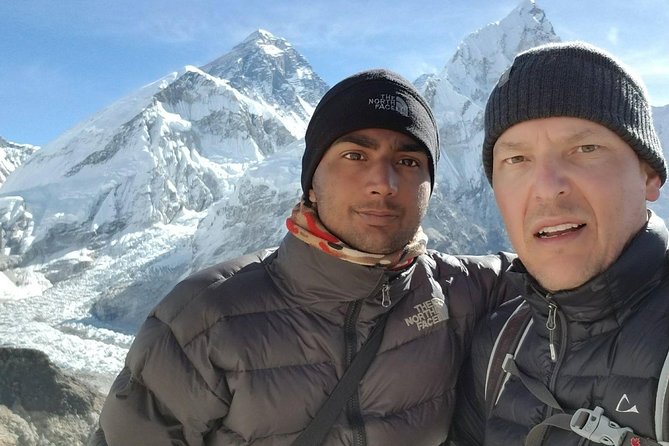
- Everest Base Camp and Kala Patthar are both included, giving you a close look at the Khumbu Glacier and a sunrise mountain viewpoint at 5,545 meters.
- The route begins with a flight to Lukla, followed by nine days of walking and a return flight to Kathmandu.
- Guides are a major strength, with Mohan, Padam, AJ, and Anjan praised for safety, planning, medical help, and friendly support.
- Tea-house lodging is included, but breakfast, lunch, and dinner are not, so you need a food budget each day.
- This is a demanding high-altitude trek, not a casual walking holiday. Strong fitness is required.
- Weather can affect Lukla flights, and a 10-day plan gives you little spare time if transport changes.
What the 10-day Everest route is really like
This trek uses the classic approach from Lukla, then climbs the Dudh Koshi valley toward Namche Bazaar and the high Khumbu. From there, you continue toward Tengboche, Dingboche, Lobuche, Gorakshep, and Base Camp before returning by the same general route.
I like this itinerary because it reaches the main goal without adding side trips or extra days. You get the essential Everest experience in a compact package. The tradeoff is clear: the schedule saves time, but it asks you to walk for several hours on nearly every trekking day.
The listed start time is 6:15 a.m., important because the Lukla flight is early and the mountain section works best with early starts. A maximum of 15 people keeps the group from becoming unwieldy, although your actual group may be smaller.
Other treks that start from Kathmandu:
- Everest Base Camp Trek – 14 Days
★ 5.0 · 1,499 reviews - Everest Base Camp Helicopter Tour landing at Everest View Hotel
★ 5.0 · 668 reviews - Everest Base Camp Trekking
★ 5.0 · 485 reviews
Day 1: Flying to Lukla and walking to Phakding
Your first day begins with a short domestic flight from Kathmandu to Lukla, taking about 25 minutes. Tara, Summit, or Sita Air may operate the flight. After landing at Lukla, you begin walking toward Phakding, with about three and a half hours on foot.
Lukla is not a gentle introduction. The flight, airport setting, and sudden change from city to mountain give the day a strong sense of occasion. I like that you start walking right away rather than spending a night in Lukla, since Phakding puts you a little farther along the route.
The first day is shorter than most later stages, which helps you find your pace. You stay in a tea house, and the guide organizes the accommodation. Flight schedules can change because of mountain weather, so do not plan a tight international connection immediately after the trek.
Day 2: Phakding to Namche Bazaar
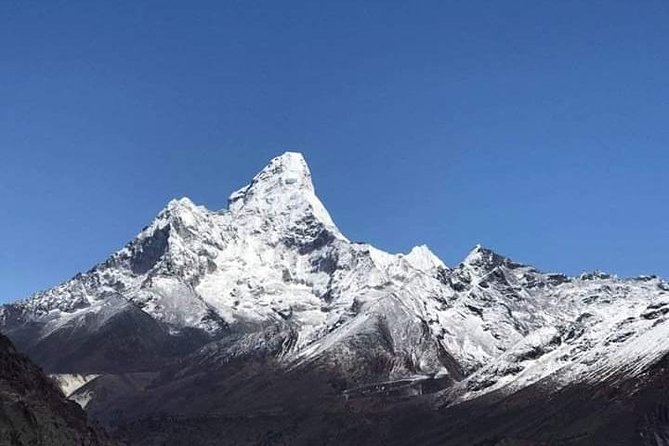
The route follows the right bank of the Dudh Koshi for roughly six hours. You pass through wooded sections, cross suspension bridges, and get your first strong views of Thamserku rising above the valley.
Namche Bazaar sits at 3,440 meters and is the first major high settlement on the route. It is more than a place to sleep. It is the trading and service center of the Everest region, and reaching it marks a real change in altitude and terrain.
This is one of the days when you should let the guide set the pace. The distance may not sound extreme, but the climb to Namche can feel demanding after the flight and first walking day. You should expect a noticeable temperature change and thinner air.
Day 3: Namche Bazaar to Tengboche
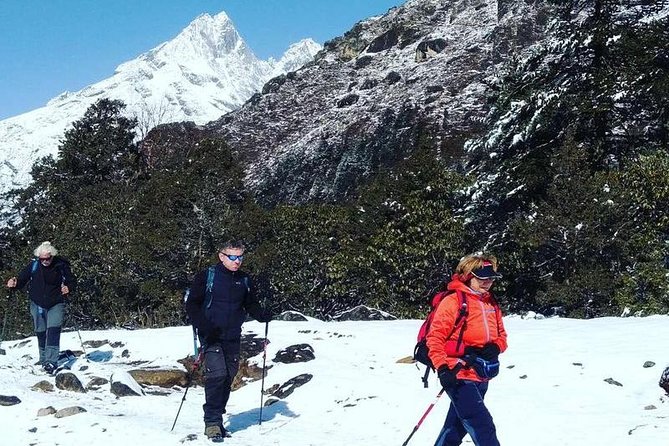
The itinerary calls this stop Tyangboche, also commonly written as Tengboche. The walk takes about five hours and follows a high trail with wide views toward the Himalayan peaks before dropping toward the Dudh Koshi and climbing again.
Tengboche is known for its monastery and mountain setting. Here, the cultural side of the trek becomes more visible. The route is not simply a march toward Base Camp. Buddhist communities, prayer traditions, and Sherpa village life are part of the experience.
The descent followed by another climb can catch you off guard. You may feel strong in the morning and tired by the final uphill stretch. This is a good place to walk steadily, drink regularly, and avoid treating the first few hours as a race.
A few more things to do in Kathmandu worth a look
- Nagarkot Sunrise View and Day Hiking from Kathmandu
★ 5.0 · 471 reviews - Annapurna Circuit Trek with Tilicho Lake
★ 5.0 · 368 reviews - Everest Base Camp Trekking – 13 Day
★ 5.0 · 365 reviews - Everest Base Camp Trek -14 Days
★ 5.0 · 321 reviews
Day 4: Tengboche to Dingboche
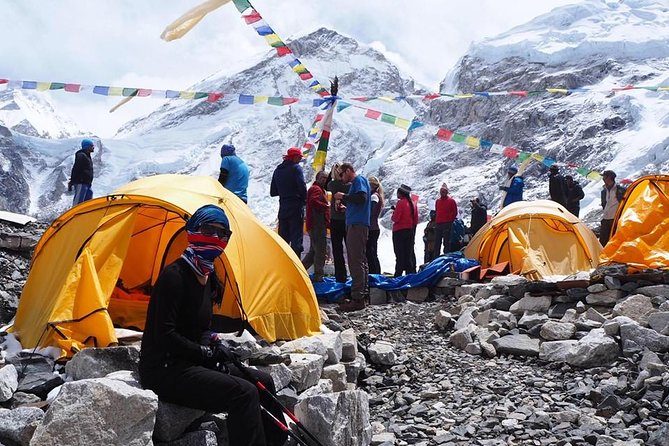
You descend through rhododendron forest toward Deboche, cross a suspension bridge over the Imja Khola, and then climb toward Dingboche at 4,260 meters. The day takes about five hours.
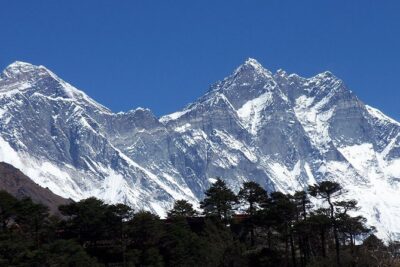
Dingboche feels like a major step into the high mountain zone. Trees become less common, and the route begins to look more open and exposed. The surrounding peaks include Ama Dablam, Lhotse, and other major summits.
The short walking time does not mean an easy day. Altitude matters more now, and a normal uphill pace may feel slow. The guide’s role becomes especially useful here. Several guests praised guides for walking slowly, explaining the next day’s plan each evening, and paying attention to health rather than pushing for speed.
Day 5: Dingboche to Lobuche
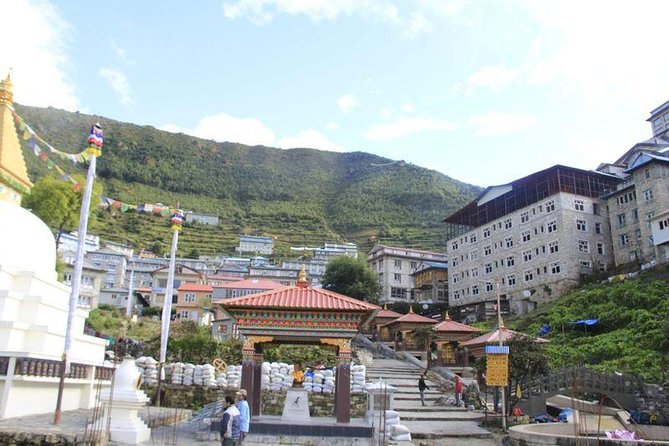
The route toward Lobuche takes about five and a half hours. You first walk toward Pheriche, then continue along a trail with views of the Khumbu peaks and the memorial area for climbers who died in the region.
Lobuche is at roughly 4,910 meters, though the supplied schedule does not list its elevation. By this point, the air is thin and the days feel more serious. The distance is manageable for a fit person, but the altitude can slow you down.
I would treat this as a conservation day. Eat what you can, keep your pack light, and tell your guide about headaches, nausea, unusual tiredness, or trouble sleeping. The package includes guide support and emergency helicopter arrangements, but evacuation costs are handled through your travel insurance. That insurance must cover high-altitude rescue.
Day 6: Lobuche to Everest Base Camp and Gorakshep
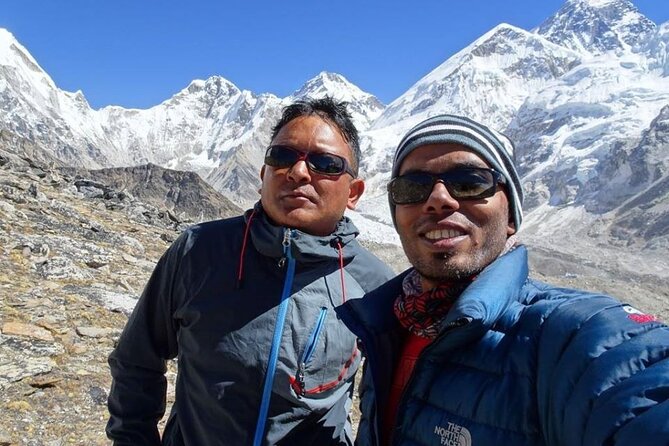
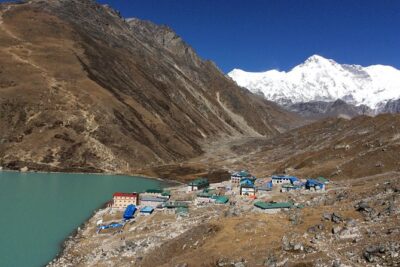
This is the longest and most rewarding stage, listed at about eight hours. You walk to Gorakshep, at 5,140 meters, then continue toward Everest Base Camp across rocky ground and beside the Khumbu Glacier.
The route is rough. The glacier area is not a smooth trail, and the altitude makes each rise feel larger. You get views of Nuptse, Pumori, and other major peaks, while the glacier gives the day a stark, high-mountain character.
Everest Base Camp itself is not a permanent village or a comfortable sightseeing stop. It is a mountaineering staging area, and its appearance can vary by season. The satisfaction comes from reaching the place and understanding the effort needed to go farther toward the summit.
You return to Gorakshep for the night. That makes this a demanding day, particularly because you have already gained a great deal of altitude. The guide’s pacing and your own willingness to stop when needed matter more than arriving early.
Day 7: Kala Patthar and the descent to Pheriche
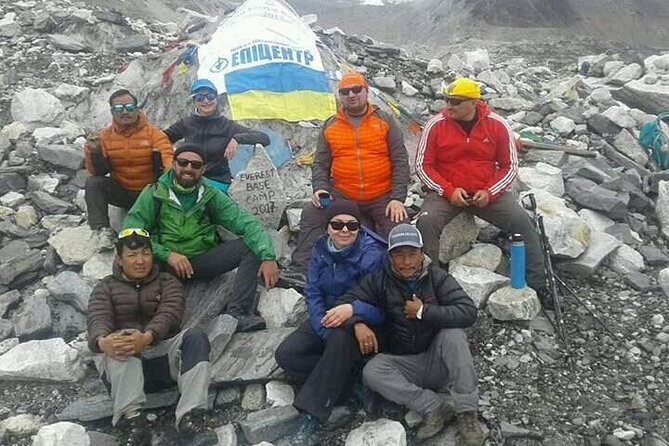
You rise early for the climb to Kala Patthar, listed at 5,545 meters. The reward is a sunrise view toward Everest, Pumori, Makalu, and other Himalayan peaks. After the viewpoint, you descend toward Pheriche at 4,243 meters.
For many people, Kala Patthar provides the clearest Everest view of the trek. Base Camp is important because you reached it, but Kala Patthar is the stronger mountain lookout. The early start can be cold, and the climb is strenuous even though it is relatively short compared with the previous day.
The descent to Pheriche is welcome, but seven hours of walking still makes this a full day. I like the route design here because it gives you one last high viewpoint before dropping to a lower sleeping altitude.
Day 8: Returning toward Namche Bazaar
The supplied schedule describes a walk from Tengboche to Namche Bazaar lasting about four and a half hours, with visits to Khumjung and Khunde. That does not fully match the preceding day, which ends in Pheriche. The practical point is that the return journey takes you through the Tengboche and Namche section, but you should ask the operator to confirm the exact overnight stop before departure.
Khumjung and Khunde offer a closer look at traditional Sherpa settlements than the larger Namche Bazaar. The route is also less stressful on the lungs as you lose altitude, even though downhill walking can be hard on tired knees.
This is a good time to look around rather than focus only on the finish. The high peaks remain visible, but the villages, bridges, forests, and changing trail surfaces help you understand the region as a lived-in place, not just a route to a mountain.
Day 9: Namche Bazaar to Lukla
The final walking day takes about seven hours. You retrace the route through the Dudh Koshi valley, with lunch served along the way, then reach Lukla for a tea-house night.
The route is familiar, but it is not effortless. Descents, uneven stones, and long hours can wear on your legs. Arriving in Lukla gives you a useful buffer before the flight, although the next morning’s departure remains subject to local conditions.
This evening is also the natural time to settle tips for the guide and porter. Tipping is expected, but the amount is not stated in the tour details, so ask the company before you leave Kathmandu if you want a clear budget.
Day 10: Lukla to Kathmandu
The return flight to Kathmandu takes about 25 minutes. A company representative meets you at Tribhuvan International Airport and transfers you to your hotel. The plan includes a farewell dinner at Bhojan Griha.
That final dinner is a pleasant way to close a strenuous trip, especially if you arrive in Kathmandu early enough to enjoy it without rushing. The schedule is short and efficient, but you should avoid booking a same-day international departure unless you have confirmed the flight timing and allowed for delays.
What the $1,400 price includes
The $1,400 cost covers more than the walk itself. Included items are:
- Kathmandu airport and hotel transfers by private vehicle
- Kathmandu to Lukla and Lukla to Kathmandu flights
- Domestic airport tax
- Tea-house accommodation during the trek
- An English-speaking trekking guide
- Guide and porter salary, food, drinks, accommodation, transport, and insurance
- Trekking permits and government charges
- Arrangement of emergency helicopter service
That is solid value for a guided Everest trek, especially because domestic flights and permits can be awkward to arrange alone. The price also gives you a clear structure in a place where transport and accommodation are not always simple.
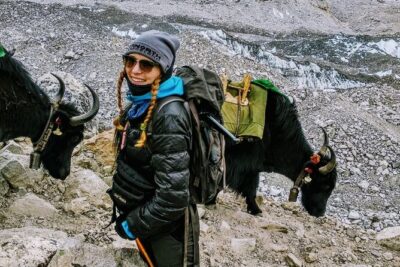
Still, calculate the real cost before you book. Meals are not included, porters are extra, personal equipment is extra, travel insurance is extra, and tips are expected. One porter is available for every two people at an additional cost. You should also budget for personal purchases and any extra Kathmandu nights.
The guides and the human side of the trek
The strongest part of this experience is the guide service. Mohan was praised for being friendly and flexible. Padam Bahadur Bhujel was valued for experience, patience, safety advice, and steady support. AJ was described as giving clear evening plans and managing accommodation and meals. Anjan was praised for explaining the route and encouraging a slow pace to protect health.
Those details matter more than a polished itinerary. On a high-altitude walk, a guide who notices problems early can make the difference between adjusting the plan and facing an emergency. The company also supplied loan gear without charge to at least one person, though you should confirm in advance what equipment may be available.
The guide is not a substitute for preparation. You need strong fitness, suitable trekking clothing, personal equipment, and insurance that covers emergency high-altitude evacuation.
What to pack and what to budget for
The provided information does not list a full equipment checklist, so you should request one before departure. At minimum, plan carefully for changing temperatures, steep trails, cold mornings, and a multi-day stay in tea houses.
You should also set aside money for:
- Breakfast, lunch, and dinner each day
- A porter, if you do not want to carry your own load
- Tips for the guide and porter
- Personal trekking equipment
- Travel insurance with rescue and evacuation cover
- Personal expenses
The booking can be canceled for a full refund up to 24 hours before the start time. Cancellations inside that window are not refunded, and changes are not accepted within 24 hours.
Who should book this trek?
I would recommend it to a fit person who wants Everest Base Camp in a short, organized format and is comfortable with basic tea-house lodging. It suits you if you value a local guide, want flights and permits arranged, and prefer a small group rather than a large walking procession.
I would hesitate if you need a relaxed pace, extra acclimatization days, or a flexible schedule. Ten days is tight for an Everest route, and the program has no clearly listed spare day for weather or altitude problems. You should also think twice if high-altitude walking is new to you and you have not trained for long uphill and downhill days.
FAQ
How long is the Everest Base Camp trek?
The experience lasts approximately 10 days, including flights between Kathmandu and Lukla, the trek to Everest Base Camp, the return walk to Lukla, and the flight back to Kathmandu.
What is the highest point on the itinerary?
Kala Patthar is listed at 5,545 meters. Everest Base Camp is listed at 5,364 meters, and Gorakshep is listed at 5,140 meters.
Are flights between Kathmandu and Lukla included?
Yes. The package includes the Kathmandu to Lukla and Lukla to Kathmandu flights, along with domestic airport tax.
Are meals included during the trek?
No. Standard breakfast, lunch, and dinner during the trek are not included.
Is a porter included?
No. Porters are available at an extra cost, with one porter offered for two people.
What type of accommodation is provided?
Accommodation during the trek is in lodges or tea houses. The final night in Lukla is also listed as tea-house lodging.
What happens if an emergency evacuation is needed?
The company arranges emergency helicopter service, but the cost is to be paid by your travel insurance company. Your policy must cover high-altitude emergency rescue and evacuation.
Should you book the Short Everest Base Camp Trek?
Book it if you want the essential Everest route in 10 days, appreciate a guide-led trip, and are ready for long days at altitude. The included flights, permits, transfers, tea-house lodging, and guide support make the $1,400 price reasonable, though you must add meals, insurance, porter costs, tips, and gear.
Before paying, ask Welcome Nepal Treks to confirm the Day 8 route, current flight arrangements, porter rates, meal costs, and the exact guide assigned to your group. If you can handle the compressed schedule and prepare properly, this trek gives you Base Camp, Kala Patthar, Sherpa villages, Tengboche, and some of the finest mountain views in Nepal without adding unnecessary detours.
Just added in Kathmandu
- 14 Days Everest Base Camp Trek★ 5.0 · 7 reviews
- Luxury Everest Base Camp Trek -11 Days★ 5.0 · 7 reviews
- Everest Base Camp Helicopter Tour★ 5.0 · 3 reviews
- Everest Base Camp Helicopter Tour★ 5.0 · 17 reviews
- Everest Base Camp Helicopter Tour★ 5.0 · 11 reviews
- Everest Base Camp Heli Tour★ 5.0 · 15 reviews
- Everest Base Camp Helicopter Tour with Stop at Everest View Hotel★ 5.0 · 19 reviews
- Everest Base Camp Helicopter Tour★ 5.0 · 4 reviews
Everest Base Camp Treks, compared.
Everest Base Camp Helicopter Tour landing at Everest View Hotel
Read our review →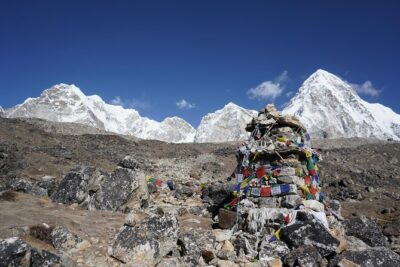
Browse the lists this tour appears in