
Reviewed · EVEREST BASE CAMP TREKS
Unforgettable Everest Base Camp Trek with Third Rock Adventures! 🌄 I recently completed an incredible journey to Everest Base Camp with Third Rock Adventures, and I can’t recommend them enough! From starRead more
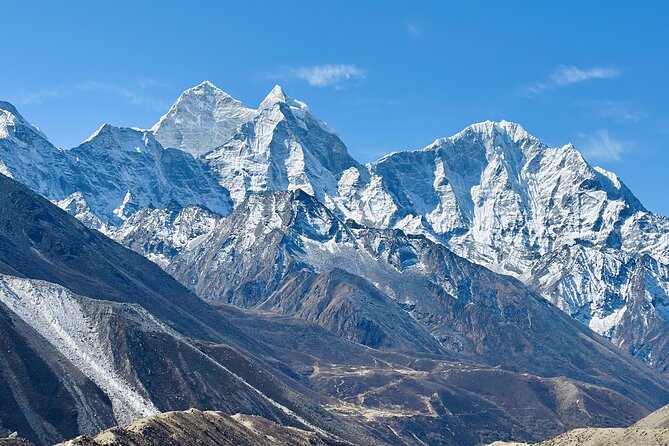
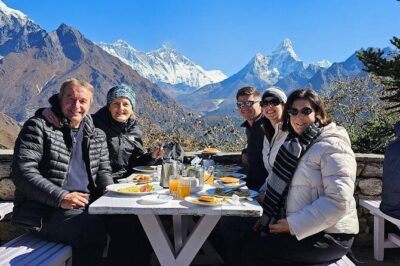
The big prize here is not only reaching Everest Base Camp. It is the slow approach through Sherpa villages, suspension bridges, monasteries, glacier valleys, and high mountain passes. The sunrise from Kala Patthar at 5,550 meters is the trip’s grand finale, with Everest, Lhotse, Nuptse, Pumori, and Ama Dablam catching the first light.
I like the sensible acclimatization stops in Namche Bazaar and Dingboche, and I like that the $1,799 price includes a guide, porter, meals, tea house lodging, permits, domestic flights, a down jacket, and a sleeping bag. The small group size, capped at 12, also gives you a better chance of getting direct help when the trail gets tough.
The main caution is altitude. This is a moderate-to-difficult trek, not a long sightseeing walk. Weather can affect the Lukla flight, the daily hikes are demanding, and insurance is not included. You need good preparation, flexible plans, and enough money set aside for water, showers, internet, tips, and unexpected costs.
Key points about this Everest Base Camp trek
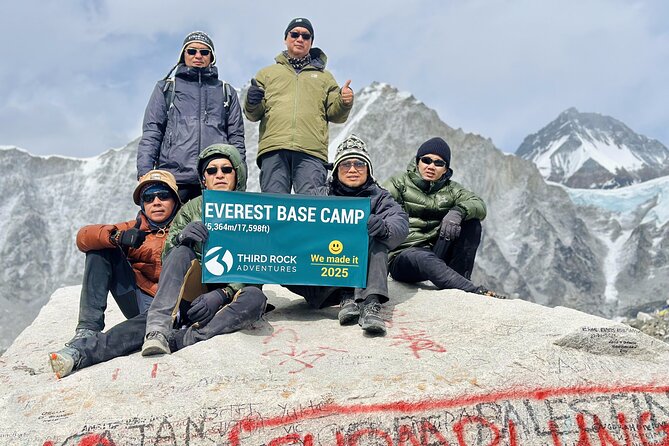
- Kala Patthar sunrise at 5,550 meters: The best wide view of Everest comes from above Gorak Shep, not from Base Camp itself.
- A useful acclimatization plan: Two nights in Namche and two nights in Dingboche give your body time to adjust.
- Good value at $1,799: Flights, permits, meals, tea house rooms, a guide, porter support, Kathmandu hotels, and some trekking gear are included.
- Sherpa culture along the trail: You pass through Phakding, Namche Bazaar, Tengboche, Pangboche, and Dingboche, with time for monasteries and village life.
- Small groups up to 12 people: This is a practical size for a high-altitude trek where personal support matters.
- Strong guide and porter support: Guides including Dawa, Deepak, Gnawang, and others have been praised for calm support, clear answers, and sensible changes when altitude sickness appears.
Why the route works so well
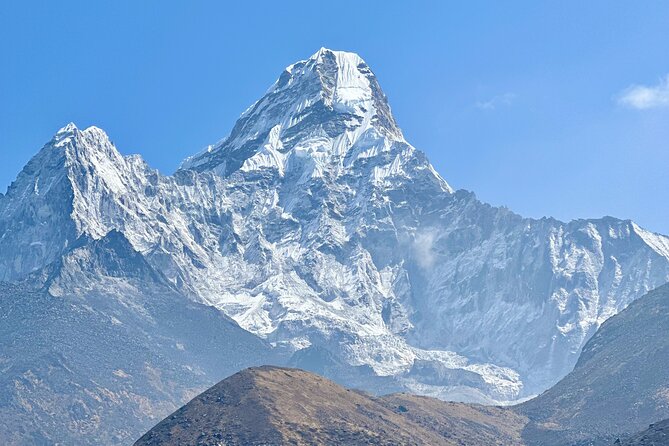
The classic Everest route gives you a gradual build-up. You start with a flight from Kathmandu to Lukla, then walk beside the Dudh Koshi River before climbing toward Namche Bazaar. From there, the trail moves into thinner air and bigger views, reaching Tengboche, Dingboche, Lobuche, Gorak Shep, Base Camp, and Kala Patthar.
That order matters. You are not simply ticking off famous names. You spend time at two key acclimatization points, then take shorter high-altitude hikes before pushing toward Base Camp. No itinerary can remove the risk of altitude sickness, but this pacing is more sensible than rushing to the top and hoping for the best.
The route also mixes mountain scenery with local life. You pass prayer flags, stone walls, suspension bridges, tea houses, monasteries, and yak country. The mountains are the headline, but the villages give the trek its human scale.
Other treks that start from Kathmandu:
- Everest Base Camp Trek – 14 Days
★ 5.0 · 1,499 reviews - Everest Base Camp Helicopter Tour landing at Everest View Hotel
★ 5.0 · 668 reviews - Everest Base Camp Trekking
★ 5.0 · 485 reviews
Days 1 and 2: Kathmandu, Lukla, and Phakding
Your first day is a soft landing. A representative meets you at the airport and takes you to your hotel. You then meet the trek leader for a briefing, check your equipment, and buy last-minute supplies in Thamel if needed.
Two nights of three-star deluxe accommodation in Kathmandu are included, with breakfast. Lunch and dinner in the capital are not included, so keep some money for meals before and after the trek.
Day 2 begins with the flight to Lukla. The short mountain flight is part of the adventure, but it also introduces the first practical uncertainty. Flights can be affected by weather, and the itinerary includes road transport between Kathmandu and Manthali as part of the domestic flight arrangements. Confirm the exact airport and transfer plan before departure.
At Lukla, you meet the crew and begin walking. The route passes through Chauri Kharka, follows the Dudh Koshi River, and reaches Phakding. This is a pleasant first trekking day, with a Sherpa village setting and views toward Khumbila, a sacred mountain for the local Sherpa people.
The first night is in a tea house. These are clean, simple mountain lodges rather than hotels. Your package covers the best available clean and comfortable tea house accommodation, but comfort becomes more basic as you climb.
Day 3: Suspension bridges and the climb to Namche
The trail crosses the Dudh Koshi on several suspension bridges, including the famous Hillary Bridge. You enter Sagarmatha National Park and stop at Jorsale for lunch before the long climb to Namche Bazaar.
This is the first day that tests your legs. The route rises sharply toward Namche, so a slow pace is wise. You gain your first strong sense that the trip is changing from a valley walk into a high mountain trek.
Namche Bazaar is the Sherpa capital and a major trading center. Its curved amphitheater of buildings, shops, bakeries, and lodges makes it one of the most memorable stops on the route. It is also an excellent place to rest, organize your pack, and check how your body is handling altitude.
Day 4: Acclimatizing in Namche Bazaar
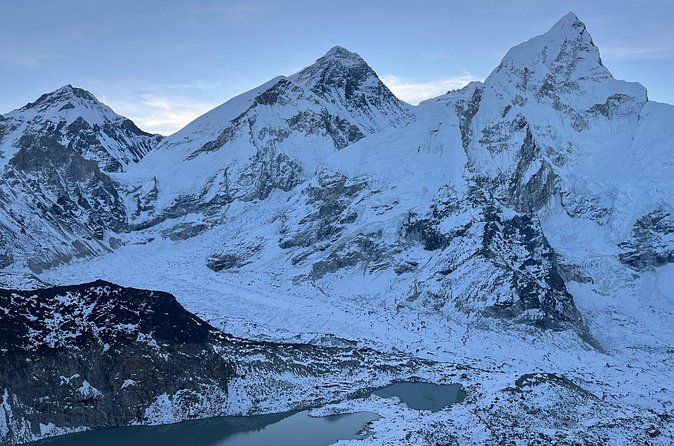
You spend a second night in Namche, but the day is not meant to be completely idle. The schedule includes a sunrise hike toward Sagarmatha National Park, with views of Everest, Lhotse, and Ama Dablam.
This is one of the smartest parts of the plan. Acclimatization works better when you hike higher during the day and return to sleep at the same altitude. You can also explore Namche’s bakeries, shops, and Saturday Market when it is operating.
The village is a good place to buy small essentials, but do not assume every item will be available or inexpensive. Your included porter carries your main luggage, with one porter shared between two trekkers. You still need to carry a daypack with water, layers, personal medicine, and valuables.
A few more things to do in Kathmandu worth a look
- Nagarkot Sunrise View and Day Hiking from Kathmandu
★ 5.0 · 471 reviews - Annapurna Circuit Trek with Tilicho Lake
★ 5.0 · 368 reviews - Everest Base Camp Trekking – 13 Day
★ 5.0 · 365 reviews - Everest Base Camp Trek -14 Days
★ 5.0 · 321 reviews
Day 5: Forest trails and Tengboche Monastery
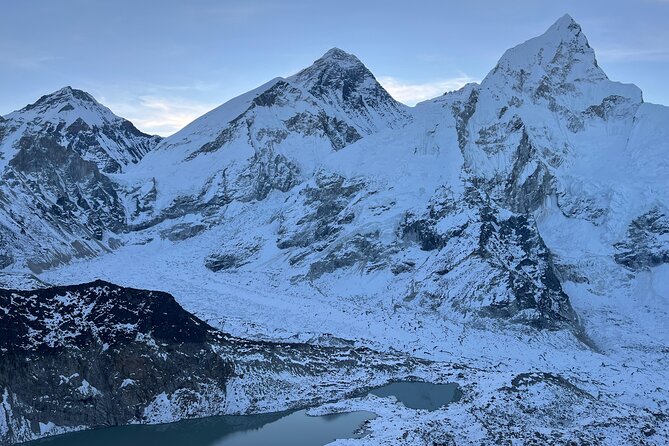
The trail leaves Namche through rhododendron and juniper forest. On clear days, you see Everest, Lhotse, Nuptse, and Ama Dablam, with Ama Dablam becoming especially impressive as you approach Tengboche.
Tengboche is home to the region’s largest monastery. A visit here adds cultural depth to the trek, especially if you take time to notice the prayer flags, religious artwork, and mountain setting rather than treating the monastery as a quick photo stop.
The forests gradually give way to more open ground and colder conditions. Nights are now more basic, and the combination of altitude, wind, and a long walking day can make the tea house feel very welcome.
Day 6: Pangboche and Dingboche
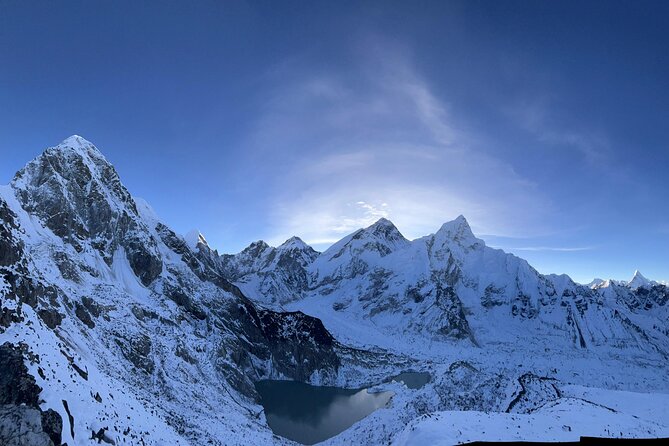
You cross the Imja Khola and pass through Pangboche, described as the highest permanent Sherpa settlement on the route. The walk continues toward Dingboche, with Island Peak and Ama Dablam in view.
Dingboche is another important adjustment point. The village sits higher than Namche, and the air feels noticeably thinner. Walking slowly is not a sign of weakness here. It is the correct way to trek.
The package includes breakfast, lunch, dinner, and a cup of tea or coffee each trekking day. Bottled or boiled water is extra, as are snacks, hot showers, internet, laundry, and battery charging. Those costs can add up in the high country, so carry some cash.
Day 7: Nagarjun Hill and a second Dingboche night
The acclimatization hike goes to Nagarjun Hill at about 5,100 meters. From the high point, you can see Makalu, Lhotse, Ama Dablam, Island Peak, and the Imja Glacier.
This is a demanding adjustment day, not a casual side trip. You climb high, take in the views, then return to Dingboche to rest. The afternoon is free for recovery or a quiet look around the village.
Altitude sickness must be taken seriously. The guide carries a first-aid kit, pulse oximeter, and basic medicines including paracetamol and Diamox. That is useful support, but it does not replace travel insurance or medical advice. If you feel unwell, tell the guide early. One guide, Dawa, has been praised for changing plans sensibly when altitude sickness became a concern.
Day 8: Thukla Pass and the memorials
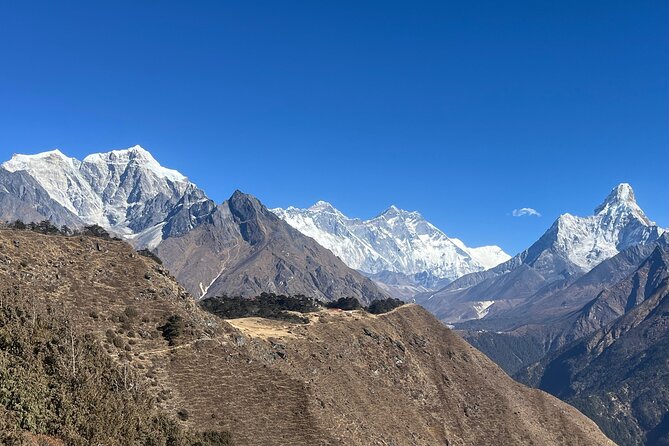
The hike to Lobuche covers about 8 kilometers over rugged high-altitude ground. You see Lobuche, Pumori, and Nuptse, while the valley becomes colder and more exposed.
Thukla Pass is an emotional stop. Memorial stupas honor climbers who died on Everest and nearby peaks. The site adds weight to the journey. It reminds you that the mountain is not only a beautiful backdrop or a personal challenge.
The itinerary refers to continuing toward the Nepal and Tibet border area, but the main route remains within Nepal and heads toward Lobuche. Expect a stark setting and a short, steady pace rather than a fast march.
Day 9: Everest Base Camp from Gorak Shep
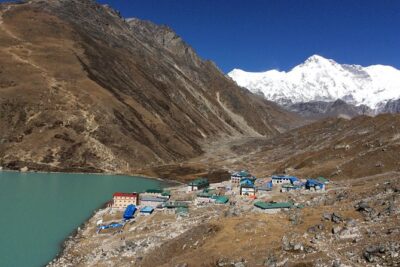
From Lobuche, you trek to Gorak Shep, then follow the Khumbu Glacier toward Everest Base Camp. The trail over rocky glacier terrain can feel rough and tiring, especially after several days above 4,000 meters.
Base Camp is a major personal milestone, but keep your expectations realistic. During the trekking season, you reach the famous staging area near the Khumbu Icefall, not the summit and not a place with a sweeping view of Everest’s full face.
The surrounding peaks and glacier formations are still spectacular. You then return to Gorak Shep for the night, making this a long and physically serious day. A good guide will help you hold a steady pace and monitor how you are coping.
Day 10: Kala Patthar and the long return
You leave early for Kala Patthar, the highest point on the route at about 5,550 meters. The reward is a broad view of Everest, Lhotse, Nuptse, and Pumori, with sunrise light reaching the peaks.
For many people, this is the visual high point of the trek. Everest Base Camp has the name, but Kala Patthar gives you the better panorama. The climb is steep and the air is thin, so bring warm layers and keep your expectations focused on the experience rather than speed.
After returning to Gorak Shep for breakfast, you begin descending. The lower you go, the easier breathing generally becomes, but the long downhill can be hard on knees and feet. Your sleeping bag and down jacket are supplied for the trek and must be returned afterward.
Days 11 and 12: Back through Tengboche, Namche, and Lukla
The route descends from the higher settlements, passes through Tengboche, and climbs again in the afternoon toward Namche Bazaar. This is a useful reminder that the return is not all downhill. Himalayan trails regularly rise and fall, even when you are heading back.
A night in Namche gives you a chance to enjoy the village with the hardest section behind you. You can reflect on the route, rest, and prepare for the final walk to Lukla.
Day 12 follows local villages and crosses the Hillary Suspension Bridge before reaching Lukla. The final night is a natural time to thank the guide and porter team and celebrate the completion of the trek.
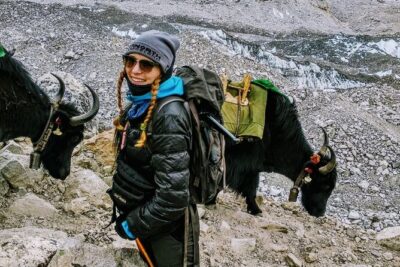
Porter support is included, with one porter for two trekkers. Tips for the guide, porter, and driver are not included, and tipping is expected. Plan for this before you leave home rather than treating it as an afterthought.
Days 13 and 14: Return to Kathmandu
The flight from Lukla brings you back to Kathmandu, followed by a transfer to your hotel. You have time to rest or visit shops for handicrafts, tea, spices, and decorative items at Ason Market.
The second included Kathmandu hotel night is useful after the trek. It gives you a buffer before departure and a chance to enjoy a shower, proper rest, and a less demanding meal. Extra hotel nights are not included if your arrival is early or your departure is delayed.
On Day 14, a representative takes you to the airport three hours before your scheduled flight. Airport transfers are included in a private vehicle, while the Kathmandu to Manthali road transfers connected with the flight plan use shared transport.
What the $1,799 price really covers
For a 14-day Himalayan trek, $1,799 is a strong package price because many large expenses are already handled. The value comes from the combination of logistics and support:
- Two Kathmandu hotel nights with breakfast
- Tea house accommodation during the trek
- Breakfast, lunch, dinner, and tea or coffee while trekking
- Domestic flights between the Kathmandu or Ramechhap area and Lukla
- Park entry and community fees
- An English-speaking, government-licensed guide trained in first aid
- Porter support
- Airport transfers and ground transport listed in the schedule
- A duffel bag, T-shirt, trekking map, down jacket, and sleeping bag
You still need to budget for Nepal’s visa, international flights, insurance, Kathmandu lunches and dinners, personal gear, water, showers, internet, laundry, snacks, battery charging, tips, and excess baggage. The stated baggage allowance is 15 kilograms, with extra weight costing about $1 per kilogram.
There is also a major weather-related cost to understand. A shared helicopter option from Kathmandu to Lukla and back is listed at $1,200 per person. That is not a small add-on, so ask exactly when it might be used and what conditions trigger it. Travel and medical insurance should cover high-altitude trekking and possible evacuation, but the policy itself is not provided here, so you must check the terms yourself.
Who should book this trek
I would choose this trip if you want the classic Everest route and prefer having the main planning handled for you. It suits someone who values a licensed guide, porter support, included permits, organized flights, and a small group rather than arranging each lodge and transfer alone.
You should be comfortable walking for several hours on uneven mountain trails and dealing with cold, basic accommodation, thin air, and changing flight plans. The tour asks for moderate fitness, but the high point of 5,550 meters makes this more demanding than that label may suggest.
The guide team is a major part of the value. Names connected with especially strong support include Gnawang, Somdey, Deepak, and Dawa. Gnawang has been praised for answering questions and offering steady help, while Deepak has handled route changes during poor weather. These details matter because a good guide is not just someone who leads the way. At altitude, you need clear communication and sensible decisions.
This is less suitable if you need a fixed timetable, private rooms, hotel comfort every night, or a relaxed walking holiday. It is also not the right choice without proper insurance and a plan for personal gear.
Should you book the Everest Base Camp Trek?
Yes, if you want a well-supported classic route at a price that includes most of the costly basics. The Namche and Dingboche acclimatization nights, small maximum group size, porter service, and Kala Patthar sunrise make the plan appealing.
Book only after confirming the flight routing, baggage rules, cancellation timing, and insurance needs. You can cancel for a full refund up to 24 hours before the start time, but late changes are not accepted. If you are ready for long days, simple tea houses, altitude, and some uncertainty in the skies, this trek gives you a practical path to Everest Base Camp without leaving every detail to chance.
FAQ
How long does the Everest Base Camp trek take?
The experience lasts approximately 14 days, including arrival and departure days in Nepal.
What is the highest point of the trek?
Kala Patthar is the highest point, at approximately 5,550 meters.
Are flights to and from Lukla included?
Yes. Domestic flights between the Kathmandu or Ramechhap area and Lukla are included as listed in the package.
Is accommodation included?
Yes. Two nights in a three-star deluxe hotel in Kathmandu and tea house accommodation during the trek are included.
Are meals included?
Breakfast is included during the Kathmandu hotel stay. Breakfast, lunch, dinner, and a cup of tea or coffee are included during the trek. Lunch and dinner in Kathmandu are not included.
What is the group size?
The tour can have a maximum of 12 people.
Just added in Kathmandu
- Kathmandu to Chitwan Tour by Tourist Bus – A Convenient and Affordable Way★ 4.0 · 4 reviews
- Changunarayan Hill to Telkot Hike Near Kathmandu Day Tour★ 5.0 · 6 reviews
- Mt Everest Base CampTrek | Budget Package★ 5.0 · 4 reviews
- Chitwan Jungle Safari 3-Day Tour★ 5.0 · 9 reviews
- Chandragiri Hill Station Tour by Cable Car★ 5.0 · 4 reviews
- Chandragiri Hills cable car day trip, private car with driver from Kathmandu★ 5.0 · 8 reviews
- Chandragiri to Taudaha Nature Day Hiking from Kathmandu★ 5.0 · 13 reviews
- Chandragiri Cable Car & Monkey Temple Private Guided Day Tour★ 5.0 · 5 reviews
Everest Base Camp Treks, compared.
Everest Base Camp Helicopter Tour landing at Everest View Hotel
Read our review →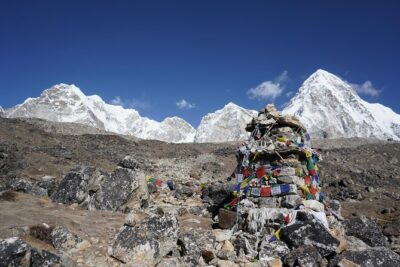
Browse the lists this tour appears in